

A dental curing light is an essential piece of equipment in modern dentistry, used to harden dental materials such as composite resins, cements, and adhesives. To maintain its optimal performance and longevity, proper cleaning and maintenance are crucial. In this blog, as a dental curing light supplier, I will discuss the cleaning agents that can be used on a dental curing light.
Understanding the Importance of Cleaning Dental Curing Lights
Dental curing lights are constantly exposed to various substances during dental procedures, including saliva, blood, dental materials, and debris. These contaminants can accumulate on the light tip, body, and other components of the curing light, which may not only affect the light's output intensity and quality but also pose a risk of cross - contamination between patients. Regular cleaning helps to ensure consistent light output, which is vital for proper curing of dental materials. It also helps to prevent the growth of bacteria and other microorganisms, thus maintaining a safe and hygienic dental environment.
Types of Cleaning Agents
1. Isopropyl Alcohol
Isopropyl alcohol, commonly known as rubbing alcohol, is one of the most widely used cleaning agents for dental curing lights. It is effective in dissolving organic matter, such as saliva and blood, and can also disinfect the surface of the curing light.
- Advantages:
- High - volatility: Isopropyl alcohol evaporates quickly, leaving no residue on the curing light. This is important as any residue could potentially interfere with the light's performance.
- Disinfectant properties: It can kill a wide range of bacteria, viruses, and fungi, reducing the risk of cross - contamination.
- Usage:
- Dilute 70% isopropyl alcohol can be used. Moisten a soft, lint - free cloth or a cotton swab with the alcohol and gently wipe the light tip, body, and other accessible parts of the curing light. Avoid getting the alcohol into any openings or electrical components of the device.
2. Mild Detergent Solutions
Mild detergent solutions can also be used for cleaning dental curing lights. These solutions are gentle enough not to damage the surface of the curing light while still being effective in removing dirt and debris.
- Advantages:
- Effective cleaning: Mild detergents can break down and remove stubborn stains and contaminants on the curing light.
- Safe for most materials: They are less likely to cause damage to the plastic, metal, or rubber components of the curing light compared to harsher chemicals.
- Usage:
- Mix a small amount of mild dish soap or a dental - specific mild detergent with warm water. Dip a soft cloth into the solution, wring it out well to avoid excessive moisture, and then wipe the curing light. After cleaning, rinse the cloth with clean water and wipe the curing light again to remove any detergent residue.
3. Hydrogen Peroxide
Hydrogen peroxide is a powerful oxidizing agent that can be used for both cleaning and disinfecting dental curing lights.
- Advantages:
- Disinfection: It can kill a variety of pathogens, including bacteria, viruses, and spores.
- Whitening effect: Hydrogen peroxide can also help to remove discoloration on the curing light's surface.
- Usage:
- A 3% hydrogen peroxide solution can be used. Apply the solution to a soft cloth and gently wipe the curing light. However, be cautious as hydrogen peroxide can cause bleaching or discoloration on some materials over time. After cleaning, rinse the curing light with water to remove any remaining hydrogen peroxide.
Precautions When Using Cleaning Agents
- Read the Manufacturer's Instructions: Different dental curing lights may have specific cleaning requirements. Always refer to the manufacturer's instructions before using any cleaning agent to ensure that you do not damage the device.
- Avoid Abrasive Materials: Do not use abrasive sponges, brushes, or scouring pads to clean the curing light. These can scratch the surface of the device, which may not only affect its appearance but also create areas where contaminants can accumulate.
- Protect Electrical Components: When cleaning, be careful to avoid getting the cleaning agent into any electrical openings or connections of the curing light. Excessive moisture can cause electrical short - circuits and damage the device.
Other Maintenance Tips for Dental Curing Lights
- Regular Inspection: In addition to cleaning, regularly inspect the dental curing light for any signs of damage, such as cracks in the light tip or loose connections. If any issues are found, contact a professional for repair.
- Proper Storage: Store the dental curing light in a clean, dry place when not in use. Use a protective case to prevent dust and debris from accumulating on the device.
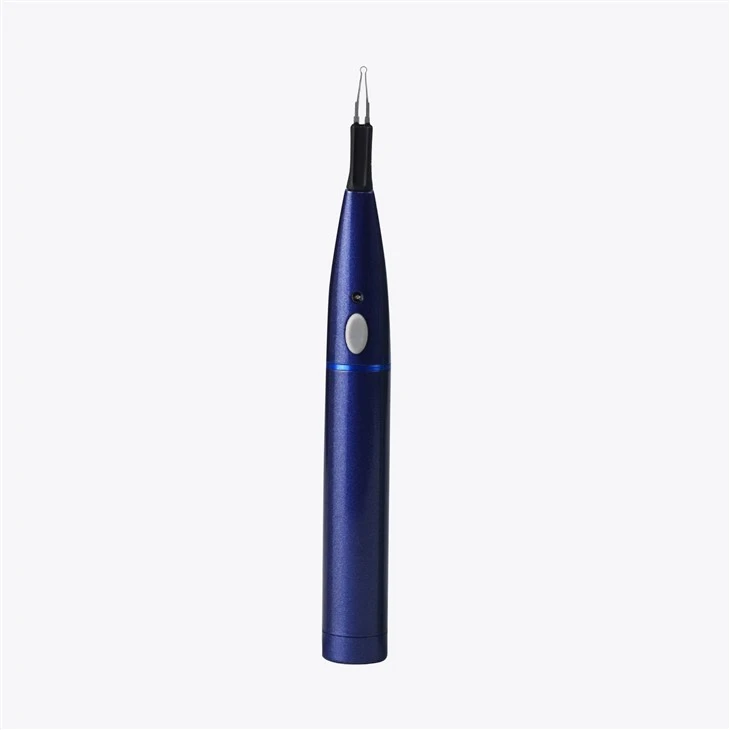
As a dental curing light supplier, we also offer a range of other dental equipment, such as the Dental Electric Brushless LED Micro Motor, Dental Gutta Percha Cutter, and Dental Pulp Vatality Tester. These products are designed to meet the high - quality standards of modern dentistry.
If you are interested in our dental curing lights or other dental equipment, we encourage you to contact us for procurement and negotiation. Our team of experts is ready to provide you with detailed product information and support to meet your specific needs.

References
- American Dental Association. Guidelines for Infection Control in Dental Healthcare Settings.
- Manufacturer's manuals of dental curing lights.