

Calibration is a crucial process in ensuring the accurate and reliable performance of dental curing lights. As a dental curing light supplier, I often receive inquiries from dental professionals regarding the frequency of calibration. In this blog post, I will delve into the factors that influence calibration frequency and provide recommendations to help you maintain the optimal performance of your dental curing lights.
Understanding the Importance of Calibration
Dental curing lights are used to polymerize dental composites, which are widely used in restorative dentistry. The effectiveness of the polymerization process depends on the intensity and spectral output of the curing light. Over time, factors such as lamp aging, temperature variations, and mechanical stress can cause the output of the curing light to deviate from its original specifications. This can lead to incomplete polymerization of the dental composite, which can compromise the quality and durability of the restoration.
Calibration is the process of comparing the output of a dental curing light to a known standard and adjusting it as necessary to ensure that it meets the manufacturer's specifications. By calibrating your dental curing lights regularly, you can ensure that they are providing consistent and reliable performance, which is essential for achieving optimal clinical outcomes.
Factors Affecting Calibration Frequency
The frequency at which you should calibrate your dental curing lights depends on several factors, including:
1. Manufacturer's Recommendations
The first and most important factor to consider is the manufacturer's recommendations. Most dental curing light manufacturers provide guidelines on the recommended calibration frequency for their products. These recommendations are based on extensive testing and research and are designed to ensure the optimal performance and longevity of the curing light.
It is important to follow the manufacturer's recommendations carefully and to calibrate your dental curing lights at the intervals specified. Failure to do so may void the warranty and can also increase the risk of incomplete polymerization and other clinical complications.
2. Usage Frequency
The frequency of use is another important factor to consider when determining the calibration frequency. Dental curing lights that are used frequently are more likely to experience wear and tear and may require more frequent calibration. On the other hand, curing lights that are used less frequently may not need to be calibrated as often.
As a general rule, dental curing lights that are used on a daily basis should be calibrated at least once every six months. Curing lights that are used less frequently, such as those in a part-time or specialty practice, may be calibrated once a year.
3. Environmental Conditions
The environmental conditions in which the dental curing light is used can also affect its performance and calibration frequency. High temperatures, humidity, and exposure to dust and debris can all cause the output of the curing light to fluctuate and may require more frequent calibration.
If your dental practice is located in an area with extreme environmental conditions, such as a hot and humid climate, it is recommended that you calibrate your dental curing lights more frequently. Additionally, it is important to keep the curing light clean and free of dust and debris to prevent damage and ensure optimal performance.
4. Type of Curing Light
There are several types of dental curing lights available on the market, including halogen, LED, and plasma arc curing lights. Each type of curing light has its own unique characteristics and may require different calibration frequencies.
LED curing lights are the most commonly used type of curing light in modern dentistry due to their high intensity, long lifespan, and low heat output. LED curing lights typically require less frequent calibration than halogen or plasma arc curing lights. However, it is still important to follow the manufacturer's recommendations and to calibrate your LED curing lights at the appropriate intervals.
Recommended Calibration Frequency
Based on the factors discussed above, the following are general recommendations for the calibration frequency of dental curing lights:
- Daily Use: If you use your dental curing light on a daily basis, it is recommended that you calibrate it at least once every six months.
- Occasional Use: If you use your dental curing light less frequently, such as in a part-time or specialty practice, you may calibrate it once a year.
- New Curing Lights: New dental curing lights should be calibrated before first use to ensure that they are functioning properly and meeting the manufacturer's specifications.
- After Repairs or Maintenance: If your dental curing light has been repaired or undergone maintenance, it should be calibrated before it is used again.
Benefits of Regular Calibration
Regular calibration of your dental curing lights offers several benefits, including:
1. Improved Clinical Outcomes
By ensuring that your dental curing lights are providing consistent and reliable performance, you can achieve better clinical outcomes. Complete polymerization of the dental composite is essential for the long-term success of the restoration, and regular calibration can help to ensure that this is achieved.
2. Increased Patient Safety
Incomplete polymerization of the dental composite can lead to a variety of clinical complications, including secondary caries, marginal leakage, and restoration failure. By calibrating your dental curing lights regularly, you can reduce the risk of these complications and ensure the safety and well-being of your patients.
3. Extended Lifespan of the Curing Light
Regular calibration can also help to extend the lifespan of your dental curing light. By detecting and correcting any issues early on, you can prevent further damage and ensure that the curing light continues to function properly for many years to come.
4. Compliance with Regulatory Requirements
In many countries, there are regulatory requirements for the calibration of dental equipment, including curing lights. By calibrating your dental curing lights regularly, you can ensure that you are in compliance with these requirements and avoid any potential legal issues.

Conclusion
Calibration is an essential part of maintaining the optimal performance and reliability of dental curing lights. By considering the factors discussed in this blog post and following the recommended calibration frequency, you can ensure that your dental curing lights are providing consistent and reliable performance, which is essential for achieving optimal clinical outcomes.
As a dental curing light supplier, we are committed to providing our customers with high-quality products and excellent customer service. If you have any questions or concerns about the calibration of your dental curing lights, please do not hesitate to contact us. We would be happy to assist you and provide you with the information and support you need to ensure the optimal performance of your dental equipment.
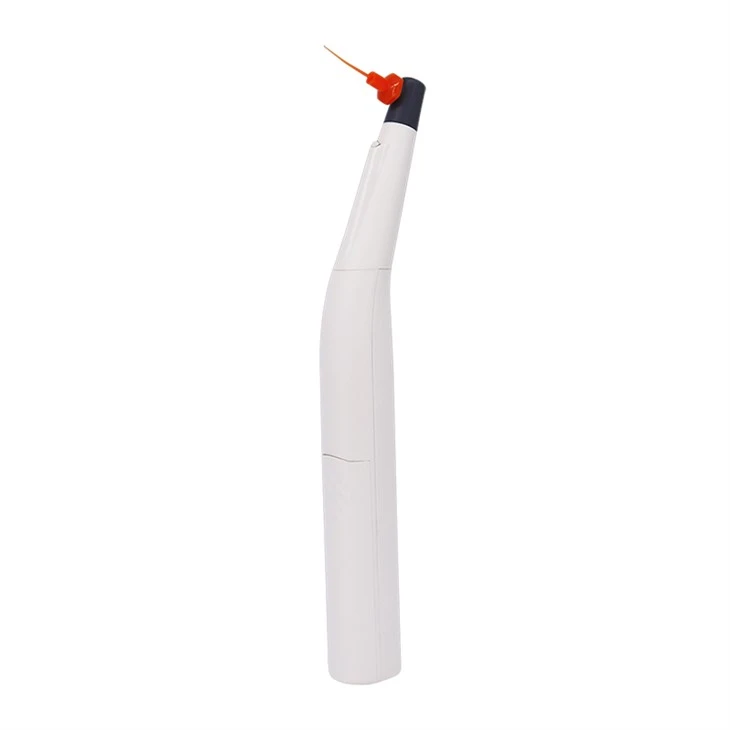
In addition to dental curing lights, we also offer a wide range of other dental products, including Dental Electric Brushless LED Micro Motor, Dental Pulp Vatality Tester, and Endo Activator. If you are interested in learning more about these products or would like to place an order, please contact us today. We look forward to working with you and helping you to provide the best possible care for your patients.
References
- ADA Council on Scientific Affairs. Guidelines for the Use of Dental Curing Lights. Journal of the American Dental Association. 2018;149(7):535-542.
- ISO 10650-1:2016 Dentistry - Polymerization activators - Part 1: Light-activated polymerization equipment. International Organization for Standardization.
- Manufacturer's instructions and guidelines for specific dental curing light models.