

Carbide and diamond dental handpiece burs are two of the most commonly used tools in modern dentistry. As a professional supplier of Dental Handpiece Burs, I've witnessed firsthand the unique features and applications of these two types of burs. In this blog post, I'll delve into the differences between carbide and diamond dental handpiece burs, helping you make an informed choice for your dental practice.
Composition and Structure
Carbide burs are typically made from tungsten carbide, a compound of tungsten and carbon. Tungsten carbide is extremely hard, with a hardness second only to diamonds on the Mohs scale. These burs are manufactured by sintering tungsten carbide particles together, creating a solid and durable cutting edge. The cutting edges of carbide burs are designed in various shapes, such as round, tapered, and fissure, to suit different dental procedures.
On the other hand, diamond burs are made by bonding diamond particles to a metal or resin matrix. Diamonds are the hardest natural substance, known for their exceptional abrasion resistance. The diamond particles on the bur's surface act as cutting edges, allowing for efficient material removal. Diamond burs come in different grit sizes, which determine the smoothness of the cut and the rate of material removal.
Cutting Efficiency
When it comes to cutting efficiency, both carbide and diamond burs have their advantages. Carbide burs are known for their sharpness and ability to cut through hard dental tissues, such as enamel and dentin, with precision. They can quickly remove large amounts of material, making them ideal for procedures like cavity preparation and tooth shaping. The sharp cutting edges of carbide burs also produce a clean cut, reducing the risk of chipping or cracking the tooth structure.
Diamond burs, on the other hand, are more effective at cutting through hard and brittle materials, such as porcelain and composite resins. The abrasive nature of the diamond particles allows for a smooth and controlled cut, minimizing the risk of damage to the surrounding tooth structure. Diamond burs are also suitable for fine finishing and polishing, as they can create a smooth surface finish on dental restorations.
Durability and Longevity
Durability is an important factor to consider when choosing dental handpiece burs. Carbide burs are relatively durable and can withstand high-speed rotation and heavy use. However, they are prone to wear and dulling over time, especially when used on hard materials. The cutting edges of carbide burs may become blunt or chipped, reducing their cutting efficiency and requiring frequent replacement.
Diamond burs, on the other hand, are extremely durable and have a longer lifespan compared to carbide burs. The hardness of the diamond particles makes them resistant to wear and tear, allowing for consistent cutting performance over an extended period. Diamond burs can also be reconditioned or resharpened, further extending their usability.
Heat Generation
Heat generation is a critical consideration in dental procedures, as excessive heat can cause damage to the dental pulp and surrounding tissues. Carbide burs tend to generate more heat during cutting compared to diamond burs. This is because the friction between the cutting edges of carbide burs and the dental tissue produces heat, which can be transferred to the tooth. To minimize heat generation, it is important to use carbide burs at the appropriate speed and with adequate water cooling.
Diamond burs, on the other hand, generate less heat during cutting due to their abrasive nature. The diamond particles act as small cutting points, reducing the friction between the bur and the dental tissue. This results in less heat generation and a lower risk of thermal damage to the tooth.
Cost
Cost is another factor to consider when choosing between carbide and diamond dental handpiece burs. Carbide burs are generally less expensive than diamond burs, making them a more cost-effective option for routine dental procedures. However, the lifespan of carbide burs is shorter compared to diamond burs, which may result in higher long-term costs due to frequent replacement.
Diamond burs, on the other hand, are more expensive upfront but offer a longer lifespan and better cutting performance. The durability of diamond burs means that they need to be replaced less frequently, resulting in lower long-term costs. Additionally, the ability to recondition or resharpened diamond burs further reduces the overall cost of ownership.
Applications
The choice between carbide and diamond dental handpiece burs depends on the specific dental procedure and the type of material being cut. Carbide burs are commonly used for cavity preparation, tooth shaping, and removal of decayed or damaged tooth structure. They are also suitable for cutting through hard dental tissues, such as enamel and dentin.
Diamond burs, on the other hand, are preferred for procedures involving hard and brittle materials, such as porcelain and composite resins. They are also used for fine finishing and polishing of dental restorations, as well as for cutting through calcified tissues, such as bone.
Compatibility with Dental Handpieces
Both carbide and diamond dental handpiece burs are designed to be compatible with a variety of dental handpieces. However, it is important to ensure that the bur is the correct size and shape for the handpiece being used. Using an incompatible bur can result in poor cutting performance, increased heat generation, and premature wear of the handpiece.
Maintenance and Care
Proper maintenance and care are essential to ensure the longevity and performance of dental handpiece burs. After each use, carbide burs should be cleaned and sterilized to remove any debris or contaminants. They should also be inspected regularly for signs of wear or damage, and replaced as needed.
Diamond burs should also be cleaned and sterilized after each use. However, they require special care to prevent damage to the diamond particles. Diamond burs should be stored in a protective case to prevent scratching or chipping, and should not be used on hard or abrasive materials that could damage the diamond surface.
Conclusion
In conclusion, carbide and diamond dental handpiece burs each have their unique features and applications. Carbide burs are sharp, efficient, and cost-effective, making them ideal for routine dental procedures. Diamond burs, on the other hand, are durable, heat-resistant, and suitable for cutting through hard and brittle materials. The choice between carbide and diamond burs depends on the specific dental procedure, the type of material being cut, and the dentist's personal preference.

As a supplier of Dental Handpiece Burs, I offer a wide range of high-quality carbide and diamond burs to meet the needs of your dental practice. Our burs are manufactured using the latest technology and materials, ensuring superior performance and durability. We also provide excellent customer service and support, helping you choose the right burs for your specific needs.
If you're interested in learning more about our Dental Handpiece Burs or would like to place an order, please don't hesitate to contact us. We look forward to working with you to provide the best dental products and services for your practice.
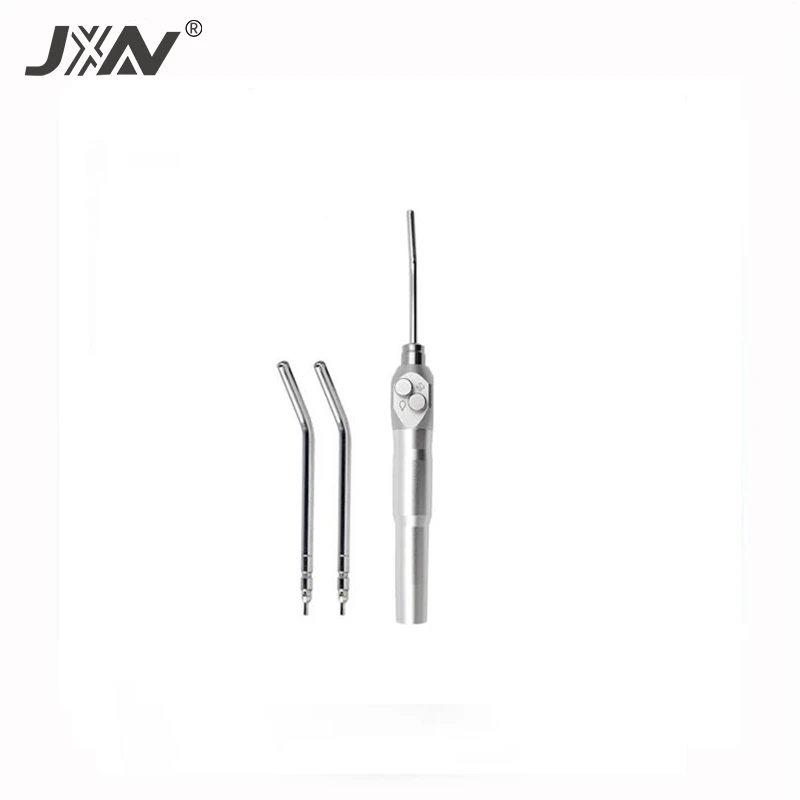
In addition to Dental Handpiece Burs, we also offer a variety of dental accessories, such as Dental Handpiece Connect Tube, Low Speed Handpiece Cartridge Rotor, and Dental Air Water Triple Syringe. These accessories are designed to enhance the performance and functionality of your dental handpieces, ensuring a smooth and efficient dental procedure.
References
- Dental Materials: Properties and Manipulation, 12th Edition, by John M. Powers and William R. Wataha
- Sturdevant's Art and Science of Operative Dentistry, 6th Edition, by Craig G. Miller, David J. Anderson, and Robert L. Baumgartner
- Contemporary Fixed Prosthodontics, 5th Edition, by John I. Ingle, Stanley J. Barkwell, and Paul H. Miller