

As a seasoned supplier of Dental Curing Lights, I often encounter customers with various questions about these essential dental tools. One question that frequently pops up is, "Can I replace the bulb of a dental curing light myself?" In this blog, I'll delve into this topic, offering insights based on my years of experience in the dental equipment industry.
Understanding Dental Curing Lights
Before we tackle the bulb replacement question, let's briefly understand what dental curing lights are and their importance in dentistry. Dental curing lights are used to harden or "cure" dental restorative materials such as composite resins. These lights emit a specific wavelength of light that activates a photo - initiator in the resin, causing it to polymerize and harden.
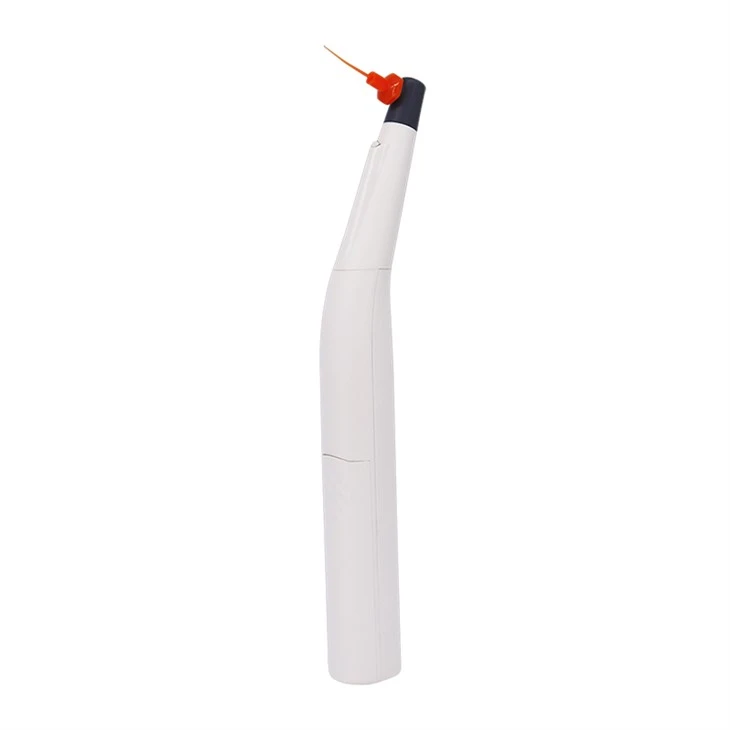

The bulb is a crucial component of a dental curing light. It determines the intensity and quality of the light emitted, which directly affects the curing process. A faulty or dim bulb can lead to improper curing of the restorative material, potentially resulting in sub - optimal dental restorations.
Factors to Consider Before Replacing the Bulb Yourself
Technical Knowledge
Replacing the bulb of a dental curing light requires a certain level of technical knowledge. Different models of dental curing lights have different bulb types and installation mechanisms. Some may have a simple screw - in bulb, while others may have a more complex, integrated design. If you don't have a basic understanding of electrical components and how they work in a dental curing light, you could end up damaging the device or even posing a safety risk.
Warranty Concerns
Most dental curing lights come with a warranty. Attempting to replace the bulb yourself may void the warranty. Manufacturers usually recommend that bulb replacements be carried out by authorized service technicians. If something goes wrong during the self - replacement process and the device breaks down, you may find yourself without the protection of the warranty.
Safety Precautions
Working with electrical components always involves safety risks. Dental curing lights operate on electricity, and improper handling during bulb replacement can lead to electrical shocks. Additionally, some bulbs may be very hot when the device is in use or has recently been used, and touching them without proper precautions can cause burns.
Steps Involved in Bulb Replacement (If You Decide to Proceed)
If you have the necessary technical knowledge and are willing to take on the risk, here are the general steps for replacing a dental curing light bulb:
- Power Off: Always turn off the dental curing light and unplug it from the power source before attempting any maintenance or replacement.
- Identify the Bulb: Refer to the user manual of your dental curing light to identify the type of bulb used. Some common types include halogen bulbs, LED bulbs, and xenon bulbs.
- Remove the Old Bulb: Use the appropriate tools (such as a screwdriver if necessary) to open the housing of the dental curing light where the bulb is located. Carefully remove the old bulb, taking note of its orientation.
- Install the New Bulb: Insert the new bulb in the correct orientation. Make sure it is securely seated.
- Reassemble the Device: Put the housing back together and ensure that all screws are tightened properly.
- Test the Device: Plug in the dental curing light and turn it on to check if the new bulb is working.
When to Seek Professional Help
In most cases, it is advisable to seek professional help for bulb replacement. Authorized service technicians have the training and experience to handle bulb replacements safely and correctly. They can also perform a thorough check of the dental curing light to ensure that there are no other underlying issues.
If your dental curing light is still under warranty, contacting the manufacturer or an authorized service center is the best course of action. They can replace the bulb for you and ensure that the warranty remains valid.
Related Dental Equipment
In addition to dental curing lights, our company also offers a range of other high - quality dental equipment. For example, the Endo Activator is a great tool for endodontic procedures. It helps in better cleaning and shaping of the root canals. The Dental Pulp Vatality Tester is essential for assessing the vitality of dental pulp, which is crucial for diagnosing dental problems. And the Gutta Percha Obturation Pen is a handy device for root canal filling procedures.
Conclusion
While it may be tempting to replace the bulb of a dental curing light yourself, it is a decision that should be made carefully. Consider your technical skills, the warranty status of the device, and the safety risks involved. In most cases, it is best to rely on professional service technicians for bulb replacement.
If you are in the market for a new dental curing light or any of the related dental equipment mentioned above, we are here to assist you. Our team of experts can provide you with detailed product information, help you choose the right equipment for your needs, and offer after - sales support. Don't hesitate to reach out to us for procurement and further discussions.
References
- Dental Equipment Manufacturer's Manuals
- Professional Dental Journals on Equipment Maintenance