

In the dynamic world of dental equipment, the Internal Contra Angle Handpiece stands as an indispensable tool, facilitating precision and efficiency in various dental procedures. As a trusted supplier of these handpieces, I understand the importance of their proper functioning and the frustration that can arise when they encounter issues. This blog aims to provide comprehensive insights into where you can get your Internal Contra Angle Handpiece repaired, ensuring minimal downtime and optimal performance.
Understanding the Internal Contra Angle Handpiece
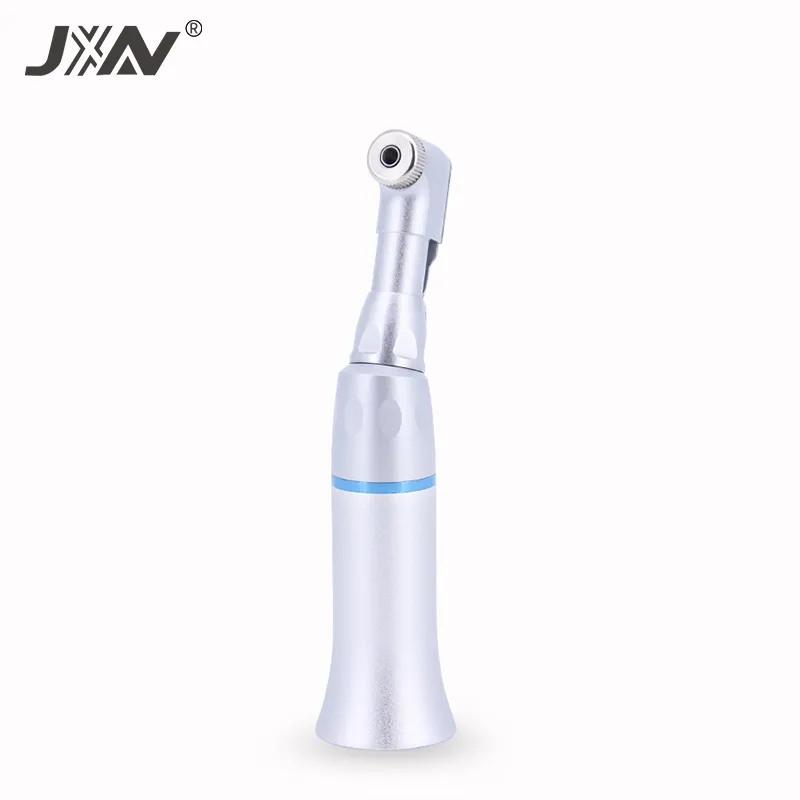
Before delving into repair options, it's crucial to have a basic understanding of the Internal Contra Angle Handpiece. This specialized dental instrument is designed to access hard-to-reach areas within the oral cavity, offering dentists enhanced control and maneuverability. Its compact design and angled head make it ideal for procedures such as cavity preparation, polishing, and endodontic work.
The handpiece consists of several components, including a motor, gears, bearings, and a chuck to hold the dental bur. Over time, these components can wear out or become damaged due to regular use, improper maintenance, or accidental impact. When this happens, the handpiece may exhibit symptoms such as reduced speed, excessive vibration, noise, or difficulty in holding the bur securely.
Signs That Your Handpiece Needs Repair
Recognizing the signs of a malfunctioning handpiece is the first step towards getting it repaired. Here are some common indicators that your Internal Contra Angle Handpiece may require attention:
- Reduced Speed: If you notice a significant decrease in the rotational speed of the handpiece, it could be a sign of a motor or gear issue. This can affect the efficiency of your dental procedures and make it challenging to achieve the desired results.
- Excessive Vibration: Unusual vibration during operation can indicate worn-out bearings or misaligned components. This not only affects the comfort of the dentist but can also lead to inaccurate dental work.
- Noise: Grinding, clicking, or rattling noises coming from the handpiece are often a sign of internal damage. Ignoring these noises can lead to further deterioration of the handpiece and potentially more expensive repairs.
- Difficulty in Holding the Bur: If the chuck fails to hold the dental bur securely, it can pose a safety risk and compromise the quality of your dental work. This could be due to a worn-out chuck or a problem with the collet system.
Where to Get Your Handpiece Repaired
When it comes to repairing your Internal Contra Angle Handpiece, you have several options to choose from. Each option has its own advantages and considerations, so it's important to evaluate them based on your specific needs and circumstances.
Manufacturer's Service Center
One of the most reliable options for handpiece repair is the manufacturer's service center. As a supplier of Internal Contra Angle Handpieces, I recommend reaching out to the manufacturer directly if your handpiece is still under warranty. Manufacturer service centers have access to genuine parts and trained technicians who are familiar with the specific design and specifications of their products. They can provide high-quality repairs and ensure that your handpiece meets the original performance standards.
The benefits of using the manufacturer's service center include:
- Genuine Parts: Manufacturer service centers use only genuine parts, which are specifically designed for your handpiece. This ensures compatibility and reliability, reducing the risk of future issues.
- Expertise: The technicians at the manufacturer's service center are trained to diagnose and repair handpieces of their brand. They have in-depth knowledge of the product's internal components and can provide accurate and efficient repairs.
- Warranty Protection: If your handpiece is still under warranty, getting it repaired at the manufacturer's service center can help you maintain the warranty coverage. This can save you money on future repairs and give you peace of mind.
However, there are also some potential drawbacks to using the manufacturer's service center:
- Long Turnaround Time: Depending on the manufacturer's workload and the complexity of the repair, it may take several weeks to get your handpiece back. This can cause significant downtime for your dental practice.
- Higher Cost: Manufacturer service centers may charge higher repair fees compared to other options. This is because they use genuine parts and have the expertise to provide high-quality repairs.
Third-Party Repair Shops
Another option for handpiece repair is to use a third-party repair shop. These shops specialize in repairing dental equipment and often offer a wider range of services at competitive prices. They may also have a shorter turnaround time compared to the manufacturer's service center.
The advantages of using a third-party repair shop include:
- Competitive Pricing: Third-party repair shops often offer lower repair fees compared to the manufacturer's service center. This can be a cost-effective option, especially if your handpiece is out of warranty.
- Quick Turnaround Time: Many third-party repair shops can provide fast turnaround times, minimizing the downtime for your dental practice. Some shops even offer same-day or next-day repair services.
- Expertise in Multiple Brands: Third-party repair shops are usually experienced in repairing handpieces from various manufacturers. This means they can handle a wider range of models and brands, giving you more options for repair.
However, there are also some potential risks associated with using a third-party repair shop:
- Quality of Parts: Some third-party repair shops may use non-genuine or low-quality parts in their repairs. This can affect the performance and reliability of your handpiece and may lead to future issues.
- Lack of Warranty Protection: Unlike the manufacturer's service center, third-party repair shops may not offer warranty coverage for their repairs. This means you may be responsible for any future repairs if the handpiece fails again.
In-House Repair
If you have the technical expertise and the necessary tools, you may also consider repairing your handpiece in-house. This can be a cost-effective option, especially if you have a basic understanding of handpiece mechanics and are comfortable working with small components.
The benefits of in-house repair include:

- Cost Savings: Repairing your handpiece in-house can save you money on repair fees and shipping costs. You can also purchase parts at a lower cost and reuse any salvageable components.
- Immediate Availability: In-house repair allows you to get your handpiece back up and running quickly, minimizing the downtime for your dental practice. You can also perform routine maintenance and inspections to prevent future issues.
- Learning Opportunity: Repairing your handpiece in-house can be a valuable learning experience. It can help you gain a better understanding of the handpiece's internal components and improve your technical skills.
However, there are also some challenges associated with in-house repair:
- Technical Expertise: Repairing a handpiece requires a certain level of technical expertise and knowledge of handpiece mechanics. If you are not familiar with the process, you may cause further damage to the handpiece.
- Lack of Specialized Tools: In-house repair may require specialized tools and equipment that you may not have readily available. This can make the repair process more challenging and time-consuming.
- Warranty Voidance: Repairing your handpiece in-house may void the manufacturer's warranty. This means you may be responsible for any future repairs if the handpiece fails again.
Choosing the Right Repair Option
When choosing the right repair option for your Internal Contra Angle Handpiece, it's important to consider the following factors:
- Warranty Status: If your handpiece is still under warranty, getting it repaired at the manufacturer's service center is usually the best option. This can help you maintain the warranty coverage and ensure that your handpiece is repaired using genuine parts.
- Cost: Consider the cost of the repair, including the parts, labor, and shipping fees. Compare the prices of different repair options to find the most cost-effective solution for your budget.
- Turnaround Time: If you need your handpiece back quickly, look for a repair option that offers a short turnaround time. This can minimize the downtime for your dental practice and reduce the impact on your patients.
- Quality of Repair: Ensure that the repair option you choose uses high-quality parts and has experienced technicians who can provide reliable repairs. This can help you avoid future issues and ensure the long-term performance of your handpiece.
- Technical Expertise: If you have the technical expertise and the necessary tools, in-house repair may be a viable option. However, if you are not confident in your abilities, it's best to leave the repair to a professional.
Preventive Maintenance Tips
To minimize the need for handpiece repair and ensure the long-term performance of your Internal Contra Angle Handpiece, it's important to follow these preventive maintenance tips:
- Regular Cleaning: Clean your handpiece after each use to remove debris, blood, and saliva. Use a cleaning solution recommended by the manufacturer and follow the instructions carefully.
- Lubrication: Lubricate your handpiece regularly to ensure smooth operation and prevent wear and tear. Use a lubricant specifically designed for dental handpieces and follow the manufacturer's recommendations for lubrication frequency.
- Sterilization: Sterilize your handpiece after each use to prevent the spread of infection. Use a sterilization method recommended by the manufacturer and follow the instructions carefully.
- Proper Storage: Store your handpiece in a clean, dry, and protected environment when not in use. Avoid exposing it to extreme temperatures, humidity, or direct sunlight.
- Regular Inspections: Inspect your handpiece regularly for signs of wear and tear, damage, or malfunction. If you notice any issues, address them promptly to prevent further damage.
Conclusion
In conclusion, getting your Internal Contra Angle Handpiece repaired is an important part of maintaining the efficiency and performance of your dental practice. Whether you choose to use the manufacturer's service center, a third-party repair shop, or perform in-house repair, it's important to evaluate your options based on your specific needs and circumstances. By following the preventive maintenance tips outlined in this blog, you can minimize the need for handpiece repair and ensure the long-term performance of your handpiece.
If you are in the market for a high-quality Internal Contra Angle Handpiece or need assistance with handpiece repair, please feel free to contact us. We are a leading supplier of dental equipment and can provide you with the products and services you need to keep your dental practice running smoothly.
References
- Manufacturer's user manual for Internal Contra Angle Handpiece
- Dental Equipment Repair and Maintenance Guide
- Industry standards and best practices for dental handpiece repair