

Can a Dental Pulp Vitality Tester be used on decayed teeth?

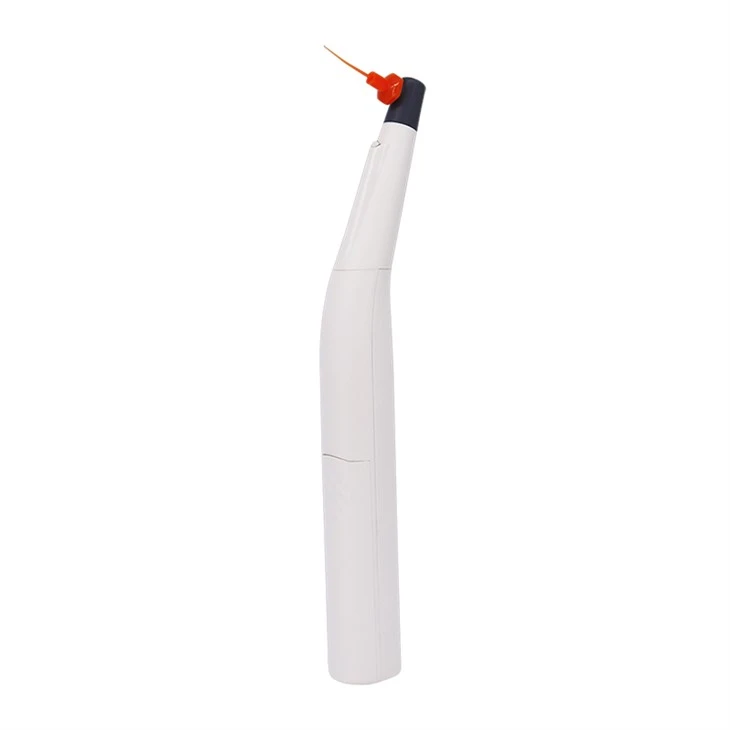
As a supplier of Dental Pulp Vitality Testers, I often encounter questions from dental professionals about the appropriate use of our products, especially when it comes to decayed teeth. In this blog post, I will explore the feasibility and considerations of using a Dental Pulp Vitality Tester on decayed teeth.
Understanding Dental Pulp Vitality Testing
Before delving into the use of a Dental Pulp Vitality Tester on decayed teeth, it is essential to understand the purpose and principles of pulp vitality testing. The dental pulp is the innermost part of the tooth, containing nerves, blood vessels, and connective tissue. Assessing the vitality of the pulp is crucial in diagnosing dental conditions, such as pulpitis, necrosis, and trauma.
Dental Pulp Vitality Testers work by applying a mild electrical current or heat to the tooth and measuring the patient's response. A healthy pulp will typically respond to the stimulus, while a non - vital pulp may show no response. There are two main types of pulp vitality tests: thermal tests and electrical tests. Thermal tests involve using hot or cold stimuli, while electrical tests use an electrical current.
Challenges of Testing Decayed Teeth
Decayed teeth present several challenges when it comes to pulp vitality testing. One of the primary issues is the presence of dental caries. Dental caries is a bacterial infection that causes the breakdown of tooth enamel and dentin. As the decay progresses, it can create a pathway for bacteria to reach the pulp, leading to inflammation and possible pulp necrosis.
The presence of decay can interfere with the accuracy of pulp vitality tests. For example, in electrical pulp testing, the decayed area may act as a conductor or insulator, altering the electrical current flow and affecting the test results. Similarly, in thermal testing, the decayed tooth may not conduct heat or cold effectively, leading to false - negative or false - positive results.
Another challenge is the possibility of pulp exposure in severely decayed teeth. If the decay has reached the pulp chamber, the pulp may be directly exposed to the oral environment, increasing the risk of infection and making the pulp more sensitive. In such cases, pulp vitality testing may cause pain and discomfort to the patient, and the results may not accurately reflect the true vitality of the pulp.
Feasibility of Using a Dental Pulp Vitality Tester on Decayed Teeth
Despite the challenges, it is still possible to use a Dental Pulp Vitality Tester on decayed teeth. However, several factors need to be considered to ensure accurate and reliable results.
First, the extent of the decay should be evaluated. In cases of mild to moderate decay, where the pulp is not yet exposed, a Dental Pulp Vitality Tester can be used with caution. The tester should be applied carefully to avoid direct contact with the decayed area. For electrical pulp testing, it is important to ensure that the electrodes are placed on healthy tooth structure as close to the pulp as possible.
In cases of severe decay with pulp exposure, the use of a Dental Pulp Vitality Tester may be more limited. Before testing, the dentist should take steps to protect the exposed pulp, such as using a sedative dressing or a temporary restoration. This can help reduce pain and discomfort during the test and prevent further contamination of the pulp.
It is also important to note that the results of pulp vitality testing on decayed teeth should be interpreted in conjunction with other diagnostic methods, such as clinical examination, radiographic evaluation, and patient history. A comprehensive approach to diagnosis can help improve the accuracy of the assessment and guide the appropriate treatment plan.
Our Dental Pulp Vitality Tester
At our company, we offer a high - quality Dental Pulp Vatality Tester that is designed to provide accurate and reliable pulp vitality testing. Our tester is equipped with advanced technology that allows for precise control of the electrical current or heat stimulus, minimizing the risk of false results.
The ergonomic design of our Dental Pulp Vitality Tester ensures ease of use and patient comfort. It is suitable for use on both healthy and decayed teeth, and our team provides comprehensive training and support to dental professionals to ensure proper operation and interpretation of the test results.
Complementary Dental Equipment
In addition to our Dental Pulp Vitality Tester, we also offer other dental equipment that can be used in conjunction with pulp vitality testing. For example, our Dental Electric Brushless LED Micro Motor is a powerful and efficient tool for dental procedures, including cavity preparation and restoration. The LED light provides excellent visibility, making it easier to work on decayed teeth.
Our Endo Activator is another valuable piece of equipment for endodontic treatment. It can be used to enhance the cleaning and disinfection of the root canal system, which is often necessary in cases of decayed teeth with pulp involvement.
Importance of Proper Training and Support
When using a Dental Pulp Vitality Tester on decayed teeth, proper training and support are essential. Dental professionals should receive comprehensive training on the operation of the tester, including how to handle decayed teeth and interpret the test results accurately.
Our company provides training programs and technical support to ensure that our customers are well - equipped to use our products effectively. We also offer ongoing support and updates to keep our customers informed about the latest advancements in dental pulp vitality testing.
Conclusion
In conclusion, while there are challenges associated with using a Dental Pulp Vitality Tester on decayed teeth, it is still possible to obtain valuable information about the pulp vitality. By considering the extent of the decay, taking appropriate precautions, and using the tester in conjunction with other diagnostic methods, dental professionals can make more informed decisions about the treatment of decayed teeth.
If you are interested in learning more about our Dental Pulp Vitality Tester or other dental equipment, we encourage you to contact us. Our team of experts is ready to assist you with any questions you may have and to discuss your specific needs. We look forward to the opportunity to work with you and support your dental practice.
References
- American Association of Endodontists. (2023). Pulp Vitality Testing. Retrieved from [Website URL of AAE]
- Cohen, S., & Hargreaves, K. M. (2018). Pathways of the Pulp. Elsevier.
- Walton, R. E., & Torabinejad, M. (2015). Principles and Practice of Endodontics. Elsevier.