

As a supplier of Internal Contra Angle Handpieces, I understand the critical importance of accurately measuring the torque of these essential dental tools. Torque is a fundamental parameter that directly influences the performance, efficiency, and safety of Internal Contra Angle Handpieces during various dental procedures. In this blog post, I will share some insights on how to measure the torque of an Internal Contra Angle Handpiece.
Understanding Torque in Internal Contra Angle Handpieces
Before delving into the measurement methods, it is crucial to have a clear understanding of what torque means in the context of Internal Contra Angle Handpieces. Torque refers to the rotational force applied by the handpiece to the dental bur or instrument. It is typically measured in units of Newton - millimeters (N·mm). A proper torque value ensures that the handpiece can effectively cut through dental tissues, such as enamel and dentin, without causing excessive stress on the teeth or the handpiece itself.
The torque of an Internal Contra Angle Handpiece is affected by several factors, including the design of the handpiece, the air pressure supplied to the Internal Air Motor, and the condition of the internal components. For example, a well - maintained handpiece with a high - quality air motor will generally produce a more consistent and reliable torque output.
Methods for Measuring Torque
1. Using a Torque Wrench
One of the most straightforward methods for measuring the torque of an Internal Contra Angle Handpiece is by using a torque wrench. A torque wrench is a specialized tool that allows you to apply a specific amount of rotational force and measure it accurately.
To use a torque wrench for measuring the torque of an Internal Contra Angle Handpiece, follow these steps:
- First, ensure that the handpiece is clean and in good working condition. Remove any debris or contaminants from the chuck and the bur.
- Select a suitable dental bur and securely attach it to the handpiece's chuck. Make sure the bur is properly seated and tightened.
- Connect the torque wrench to the handpiece's bur. The connection should be firm to ensure accurate measurement.
- Apply air pressure to the handpiece at the recommended operating pressure. This pressure can usually be found in the handpiece's user manual.
- Slowly rotate the torque wrench until the handpiece starts to turn. The reading on the torque wrench at this point is the starting torque of the handpiece.
- Continue to apply a gradual increase in rotational force while observing the torque wrench reading. The maximum torque value can be determined when the handpiece reaches its peak rotational performance.
It is important to note that when using a torque wrench, you should take multiple measurements to ensure accuracy. Also, make sure to follow the manufacturer's instructions for the torque wrench to avoid any measurement errors.
2. Torque Sensor - Based Systems
Another advanced method for measuring the torque of an Internal Contra Angle Handpiece is by using a torque sensor - based system. These systems typically consist of a torque sensor, a data acquisition unit, and a display device.
The torque sensor is attached to the handpiece's output shaft or the bur. As the handpiece rotates, the sensor detects the rotational force and converts it into an electrical signal. The data acquisition unit then processes this signal and displays the torque value on the display device.
The advantages of using a torque sensor - based system include high accuracy, real - time monitoring, and the ability to record and analyze torque data over time. This can be particularly useful for quality control purposes and for identifying any potential issues with the handpiece's performance.
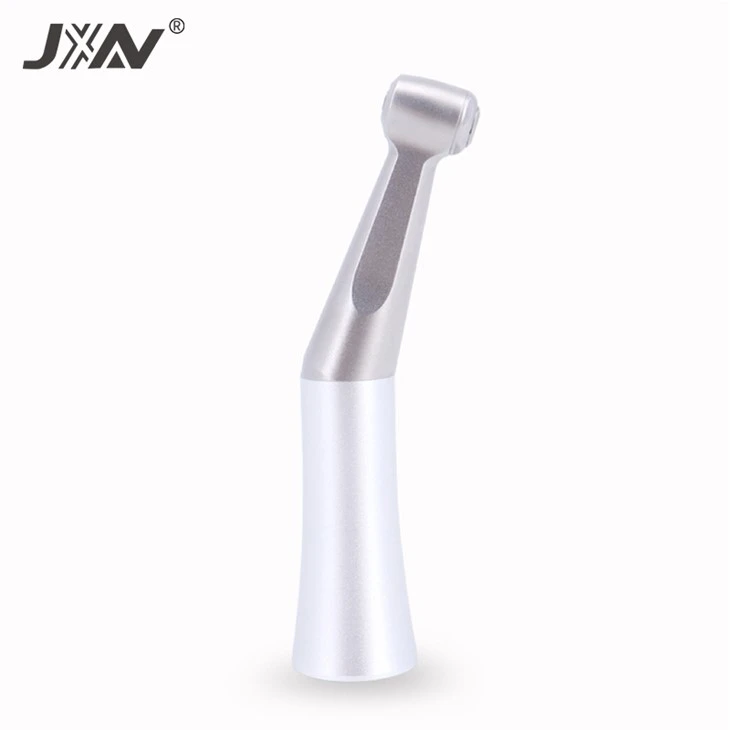

However, torque sensor - based systems are generally more expensive than torque wrenches and require more technical expertise to operate. Additionally, they may need to be calibrated regularly to maintain accuracy.
Factors Affecting Torque Measurement Accuracy
1. Air Pressure
As mentioned earlier, air pressure plays a significant role in the torque output of an Internal Contra Angle Handpiece. Fluctuations in air pressure can lead to inconsistent torque measurements. Therefore, it is essential to use a stable and regulated air supply when measuring torque. A pressure regulator can be used to ensure that the air pressure remains constant throughout the measurement process.
2. Bur Selection
The type and size of the dental bur used can also affect torque measurement accuracy. Different burs have different cutting geometries and resistance characteristics, which can influence the amount of torque required to rotate them. For accurate and comparable measurements, it is recommended to use the same type and size of bur for each measurement.
3. Handpiece Maintenance
The condition of the handpiece is crucial for accurate torque measurement. A handpiece that is dirty, worn, or damaged may produce inconsistent torque values. Regular maintenance, such as cleaning, lubricating, and replacing worn parts, is necessary to ensure that the handpiece operates at its optimal performance level.
Importance of Accurate Torque Measurement
Accurate torque measurement is not only important for ensuring the proper functioning of Internal Contra Angle Handpieces but also for patient safety and treatment effectiveness.
- Patient Safety: If the torque of a handpiece is too high, it can cause excessive force on the teeth, leading to tooth fractures, pulp damage, or other complications. On the other hand, if the torque is too low, the handpiece may not be able to cut through the dental tissues effectively, prolonging the treatment time and increasing patient discomfort.
- Treatment Effectiveness: A handpiece with a consistent and appropriate torque output allows dentists to perform dental procedures more efficiently. For example, in restorative dentistry, accurate torque is essential for proper cavity preparation and the placement of dental restorations.
Related Products in Our Portfolio
In addition to Internal Contra Angle Handpieces, we also offer a range of other dental handpieces, such as the FX Type External Contra Angle Handpiece and the External Straight Handpiece. These handpieces are designed with high - quality materials and advanced technology to provide reliable performance and excellent torque characteristics.
Conclusion
Measuring the torque of an Internal Contra Angle Handpiece is a critical step in ensuring its proper performance, patient safety, and treatment effectiveness. Whether you choose to use a torque wrench or a torque sensor - based system, it is important to follow the correct measurement procedures and consider the factors that can affect measurement accuracy.
If you are interested in purchasing high - quality Internal Contra Angle Handpieces or other dental handpieces, or if you have any questions about torque measurement or our products, please feel free to contact us for a detailed discussion and procurement negotiation. We are committed to providing you with the best products and services to meet your dental practice needs.
References
- Dental Handpiece Technology Manuals
- Scientific research papers on dental handpiece performance and torque measurement