

Is it possible to get a dental implant series if I have a history of smoking?
As a provider of a comprehensive dental implant series, I often encounter patients with various concerns regarding dental implants. One frequently asked question is whether it's possible to undergo a dental implant procedure if they have a history of smoking. This is a crucial topic that not only affects the patient's oral health but also the success rate of the dental implant treatment.
The Impact of Smoking on Dental Implants
Smoking has long - been recognized as a significant risk factor for oral health problems. When it comes to dental implants, the harmful effects of smoking can be quite profound.
-
Reduced Blood Flow: Nicotine, a major component in tobacco, causes blood vessels to constrict. This reduction in blood flow to the gums and jawbone is detrimental to the healing process after a dental implant surgery. Adequate blood supply is essential for delivering oxygen and nutrients to the surgical site, which are necessary for the growth of new bone around the implant (osseointegration). Without proper blood flow, the chances of the implant fusing successfully with the bone are significantly reduced.
-
Impaired Immune Function: Smoking suppresses the immune system. A weakened immune system makes the body more vulnerable to infections. In the context of dental implants, this means a higher risk of developing peri - implantitis, an inflammatory condition that affects the tissues surrounding the implant. Peri - implantitis can lead to bone loss around the implant and ultimately result in implant failure.
-
Delayed Healing: The chemicals in tobacco smoke can slow down the body's natural healing processes. After a dental implant surgery, the patient's body needs to repair the surgical wound and integrate the implant with the bone. Smoking can prolong this healing period, increasing the time during which complications may arise.
Can Smokers Get Dental Implants?
The short answer is yes, smokers can get dental implants. However, there are several important considerations.
-
Current Smoking Status: If a patient is currently a smoker, the dentist will typically assess the severity of their smoking habit. Light smokers (those who smoke fewer cigarettes per day) may have a relatively better prognosis compared to heavy smokers. In some cases, the dentist may recommend that the patient quit smoking before the implant surgery. Quitting smoking at least two weeks before the procedure and refraining from smoking for several weeks after can significantly improve the chances of a successful implant.
-
Overall Oral Health: In addition to smoking, the patient's overall oral health plays a crucial role. Smokers are more likely to have gum disease, tooth decay, and other oral problems. These issues need to be addressed before the implant procedure. For example, if a patient has advanced gum disease, treating it first is essential to create a healthy environment for the implant.
-
Individual Factors: Each patient is unique, and other factors such as age, general health, and genetic predisposition can also influence the outcome of the dental implant treatment. Some smokers may have a better ability to heal despite their smoking habit, while others may experience more complications.
Our Dental Implant Series
At our company, we offer a wide range of high - quality dental implant products that are designed to meet the diverse needs of patients and dentists.
-
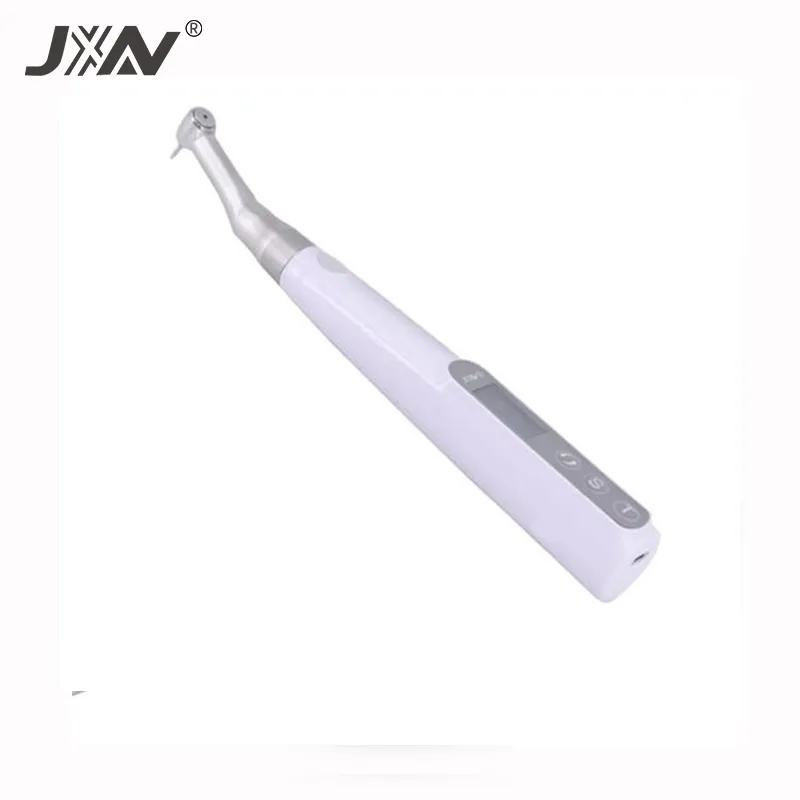
Dental Wireless Implant Electric Wrench Torque: Our Dental Wireless Implant Electric Wrench Torque is a state - of - the - art tool that provides precise torque control during the implant placement process. This helps ensure that the implant is inserted with the correct amount of force, which is crucial for its long - term stability. The wireless design allows for greater flexibility and ease of use in the dental operatory.
-
Dental Implant Torque Wrench: The Dental Implant Torque Wrench is an essential instrument for tightening the implant components. It helps prevent over - or under - tightening, which can lead to implant failure. Our torque wrench is calibrated to provide accurate readings, ensuring the proper installation of the implant.

-
Dental Implant Screwdriver Universal Box: The Dental Implant Screwdriver Universal Box contains a variety of screwdrivers that are compatible with different types of dental implants. This universal box provides dentists with the flexibility to work with various implant systems, making it a valuable addition to any dental practice.
Strategies for Smokers Considering Dental Implants
-
Consultation with a Dentist: Smokers should have a thorough consultation with a qualified dentist who specializes in dental implants. The dentist can evaluate the patient's oral health, smoking history, and overall medical condition to determine the feasibility of the implant procedure.
-
Quitting Smoking: As mentioned earlier, quitting smoking can significantly improve the success rate of dental implants. There are various resources available to help smokers quit, such as nicotine replacement therapy, counseling, and support groups.
-
Post - operative Care: After the implant surgery, smokers need to be especially vigilant about their oral hygiene. This includes regular brushing, flossing, and using an antibacterial mouthwash. Following the dentist's post - operative instructions carefully is essential for a successful recovery.
Conclusion
While smoking poses challenges for dental implant procedures, it does not necessarily rule out the possibility of getting dental implants. With proper assessment, pre - operative planning, and post - operative care, smokers can achieve successful implant outcomes. Our dental implant series provides the necessary tools for dentists to perform high - quality implant surgeries.
If you are a dentist interested in our dental implant series or a patient considering dental implants, we encourage you to reach out to us for more information. We are committed to providing the best products and support to ensure the success of dental implant treatments.
References
- American Dental Association. (2023). Oral Health and Smoking.
- International Congress of Oral Implantologists. (2022). Guidelines for Dental Implant Placement in Smokers.
- Journal of Dental Research. (2021). The Impact of Smoking on Dental Implant Osseointegration.