

When it comes to dental handpiece connect tubes, one of the most debated topics in the dental industry is whether a smooth or textured tube is better. As a supplier of Dental Handpiece Connect Tubes, I've had the opportunity to closely observe the performance and user preferences of both types. In this blog, I'll delve into the characteristics, advantages, and disadvantages of smooth and textured dental handpiece connect tubes to help you make an informed decision.
Characteristics of Smooth Dental Handpiece Connect Tubes
Smooth dental handpiece connect tubes are known for their sleek and polished surface. This design offers several distinct features. Firstly, the smooth surface reduces friction. When the tube is in use, less friction means that it can be easily maneuvered and adjusted during dental procedures. This is particularly important in a clinical setting where dentists need to quickly change the position of the handpiece to access different areas of the patient's mouth.
Secondly, smooth tubes are generally easier to clean. Bacteria and debris are less likely to adhere to the smooth surface compared to a textured one. Regular cleaning is crucial in the dental field to prevent cross - contamination between patients. With smooth tubes, a simple cleaning process can effectively remove most of the contaminants, ensuring a high level of hygiene.
Another advantage of smooth tubes is their aesthetic appeal. They give a modern and clean look to the dental equipment setup, which can enhance the overall impression of the dental clinic. Patients may also feel more at ease in a well - presented environment, which is beneficial for the patient - dentist relationship.
However, smooth tubes also have some drawbacks. They may be more prone to slipping out of the dentist's hand, especially when the hands are wet or covered with gloves. This can cause disruptions during procedures and potentially lead to accidents. Additionally, the smooth surface may not provide enough grip for some users, which can affect the precision and control of the handpiece.
Characteristics of Textured Dental Handpiece Connect Tubes
Textured dental handpiece connect tubes, on the other hand, have a surface with various patterns or bumps. The primary advantage of a textured surface is the improved grip. Dentists can hold the tube more securely, even when their hands are wet or gloved. This enhanced grip allows for better control of the handpiece, which is essential for performing delicate dental procedures with precision.
Textured tubes can also provide better tactile feedback. The texture allows the dentist to feel the position and movement of the tube more clearly, which can be particularly useful in procedures where fine adjustments are required. This feedback can help dentists make more accurate movements and reduce the risk of errors.
In terms of durability, textured tubes may be more resistant to wear and tear. The texture can act as a buffer, protecting the tube from scratches and abrasions that can occur during normal use. This can extend the lifespan of the tube, reducing the need for frequent replacements.
Nevertheless, textured tubes also have their own set of challenges. Cleaning textured tubes can be more difficult than smooth ones. Bacteria and debris can get trapped in the grooves and crevices of the texture, making it harder to remove them completely. This may require more thorough cleaning procedures and potentially more cleaning agents, which can increase the cost and time of maintenance.
Performance in Different Dental Procedures
The choice between smooth and textured dental handpiece connect tubes can also depend on the type of dental procedures. For routine cleaning and basic examinations, smooth tubes may be sufficient. Their ease of cleaning and maneuverability make them a practical choice for these relatively straightforward procedures.
In more complex procedures such as dental restorations or surgeries, textured tubes may be preferred. The improved grip and tactile feedback they offer can help dentists perform these procedures with greater precision and control. For example, when using Dental Handpiece Burs to shape a dental restoration, a textured tube can provide the necessary stability and control for accurate work.
Hygiene Considerations
Hygiene is a top priority in the dental industry. As mentioned earlier, smooth tubes are generally easier to clean, which is a significant advantage in maintaining a high level of hygiene. However, with proper cleaning protocols, textured tubes can also meet the required hygiene standards. It's important to use appropriate cleaning agents and techniques to ensure that all contaminants are removed from the textured surface.
Some dental clinics may have strict regulations regarding the use of dental equipment. In such cases, the choice between smooth and textured tubes may be influenced by these regulations. For example, if the clinic has a policy of using only equipment that can be easily sterilized, smooth tubes may be the preferred option.
Cost - effectiveness
Cost - effectiveness is another factor to consider. Smooth tubes are often less expensive to produce, which can translate into lower costs for dental clinics. However, if the textured tubes have a longer lifespan due to their better durability, they may be more cost - effective in the long run. Dental clinics need to weigh the initial purchase price against the potential savings from reduced replacement costs.
User Preferences
Ultimately, user preferences play a significant role in the choice between smooth and textured dental handpiece connect tubes. Some dentists may prefer the feel and performance of smooth tubes, while others may find textured tubes more suitable for their work style. It's important for dental clinics to provide options for their dentists and allow them to choose the type of tube that they are most comfortable with.
Conclusion
In conclusion, both smooth and textured dental handpiece connect tubes have their own advantages and disadvantages. The choice between the two depends on various factors such as the type of dental procedures, hygiene requirements, cost - effectiveness, and user preferences. As a supplier of Dental Handpiece Connect Tubes, I understand the importance of providing high - quality products that meet the diverse needs of the dental industry.
If you're interested in learning more about our Dental Handpiece Connect Tubes or would like to discuss your specific requirements, please feel free to reach out. We're committed to providing the best solutions for your dental equipment needs. Whether you prefer smooth or textured tubes, we have a range of products to suit your preferences and budget.
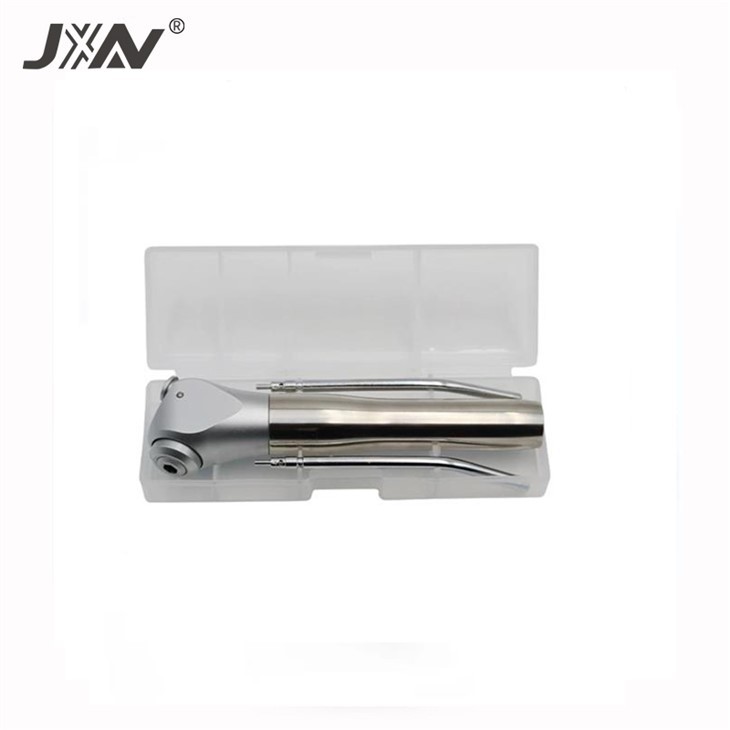
We also offer other dental accessories such as High Speed Handpiece Cartridge Rotor and Dental Air Water Triple Syringe to complement your dental handpiece setup. Contact us today to start a conversation about your dental equipment needs and explore the possibilities of working together.

References
- Dental Equipment and Materials: Principles and Techniques, 4th Edition, by James R. Powers and Craig J. Powers.
- Journal of Dental Research, various issues related to dental handpiece technology and hygiene.