

Hey there, art enthusiasts! I'm stoked to share with you how you can create some seriously cool artworks using an Aluminium Oxide Sandblasting Unit. As a supplier of these bad - ass machines, I've seen firsthand the amazing things artists can achieve with them.
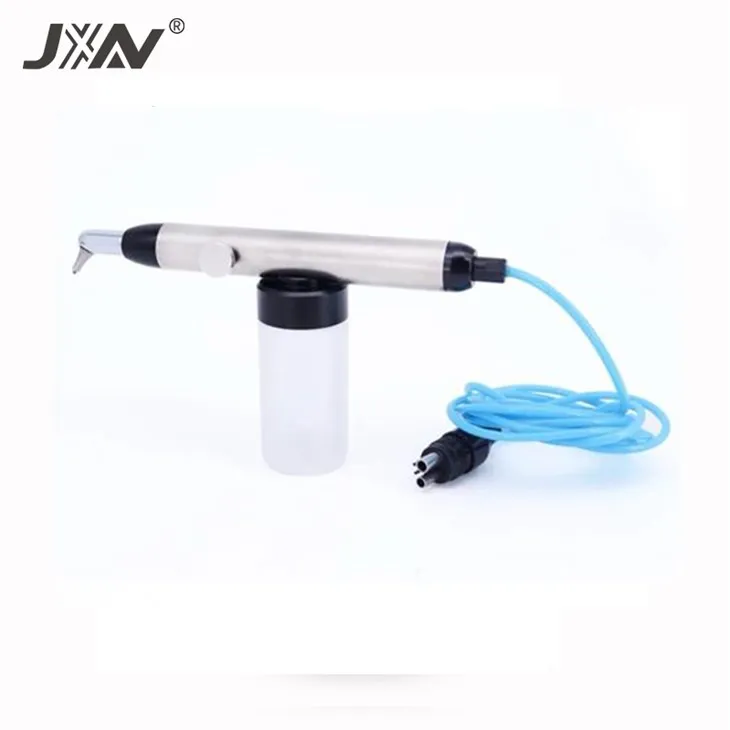
First off, let's talk a bit about what an Aluminium Oxide Sandblasting Unit is. It's a tool that uses compressed air to propel aluminium oxide particles at high speed onto a surface. This process can etch, clean, or texture the surface, giving you a whole range of creative possibilities.
Getting Started
Before you start creating your masterpiece, you need to gather the necessary materials. Besides the Aluminium Oxide Sandblasting Unit, you'll need aluminium oxide abrasive media. The grit size of the abrasive is crucial. A finer grit, like 120 - 220, will give you a smoother, more detailed etch, while a coarser grit, say 60 - 80, will create a more pronounced, rough texture.
You'll also need a surface to work on. Glass, metal, and stone are popular choices. Each material will react differently to the sandblasting process. For example, glass will etch to create a frosted look, while metal might develop a brushed or pitted texture.
Safety First
Safety is super important when working with a sandblasting unit. You need to wear proper protective gear, including a respirator to protect your lungs from inhaling the aluminium oxide dust, safety goggles to shield your eyes, and gloves to protect your hands. Make sure you're working in a well - ventilated area, preferably outdoors or in a large, open workshop with good air circulation.
Preparing the Surface
Once you've got your materials and safety gear sorted, it's time to prepare the surface. Clean the surface thoroughly to remove any dirt, grease, or debris. You can use a mild detergent and water for glass or metal, and a stone cleaner for stone surfaces. After cleaning, dry the surface completely.
If you want to create a specific design on the surface, you'll need to use a stencil. You can make your own stencils using vinyl or paper. Cut out your design using a craft knife or a cutting machine. Then, carefully apply the stencil to the surface, making sure it's firmly attached and there are no air bubbles or gaps.
Setting Up the Sandblasting Unit
Now, let's get the Aluminium Oxide Sandblasting Unit up and running. First, fill the hopper of the sandblasting unit with the aluminium oxide abrasive media. Make sure not to overfill it.
Next, connect the sandblasting unit to a compressed air source. Adjust the air pressure according to the type of surface and the effect you want to achieve. For a more delicate etch on glass, you might want to use a lower pressure, around 30 - 40 psi. For a more aggressive etch on metal or stone, you can increase the pressure to 60 - 80 psi.
Creating the Artwork
With the unit set up and the surface prepared, it's time to start creating. Hold the sandblasting gun at a consistent distance from the surface. A distance of about 6 - 8 inches is a good starting point, but you can adjust it depending on the effect you want.
Move the gun steadily across the surface in a smooth, even motion. If you're using a stencil, make sure to keep the gun perpendicular to the surface to get a clean, sharp edge. For a more random, textured look, you can move the gun in a circular or zig - zag pattern.
As you sandblast, you'll start to see the design or texture emerge on the surface. Take your time and work in small sections if you're creating a complex design. If you make a mistake, don't worry. You can usually sandblast over the area again to correct it.
Finishing Touches
Once you're happy with the sandblasted design, carefully remove the stencil. You might notice some small bits of abrasive left on the surface. You can clean these off using a soft brush or compressed air.
If you want to enhance the look of your artwork, you can add some color. For glass, you can use glass paints or dyes. For metal, you can apply a patina or a powder coat. Stone can be sealed with a stone sealer to protect the surface and give it a more polished look.
Different Types of Artworks
There are so many different types of artworks you can create with an Aluminium Oxide Sandblasting Unit.
Glass Art
Glass is a favorite among artists because of the beautiful frosted effect you can achieve. You can create decorative glass panels for windows, mirrors, or even glass sculptures. For example, you could sandblast a floral design on a glass vase to give it a unique, personalized touch.
Metal Art
Metal artworks can range from small jewelry pieces to large sculptures. Sandblasting can create interesting textures on metal, like a rustic, weathered look. You could sandblast a geometric pattern on a metal plaque or create a detailed portrait on a metal sheet.
Stone Art
Stone is a durable and versatile material for sandblasting. You can create engraved signs, sculptures, or decorative pieces. Sandblasting on stone can bring out the natural color and texture of the stone, adding to the beauty of the artwork.
Other Sandblasting Machines
If you're interested in exploring different sandblasting options, we also offer other types of sandblasting machines, like the Stainless Steel Air Prophy Unit Sandblasting Machine and the Colorful Air Prophy Unit Sandblasting Machine. These machines are great for more specialized applications and can offer different levels of precision and control.
Conclusion
Creating artworks using an Aluminium Oxide Sandblasting Unit is a fun and rewarding process. It allows you to express your creativity and create unique, one - of - a - kind pieces. Whether you're a professional artist or a hobbyist, these machines can take your art to the next level.

If you're interested in purchasing an Aluminium Oxide Sandblasting Unit or any of our other sandblasting machines, feel free to reach out. We're here to help you with any questions you might have and to guide you through the purchasing process. Let's start creating some amazing art together!
References
- "Sandblasting Basics: A Guide for Beginners" by Art Supplies Magazine
- "Advanced Sandblasting Techniques" by Metal Arts Journal
- "Glass and Stone Sandblasting" by Creative Surfaces Publishing