

In the realm of modern dentistry, dental implants have emerged as a revolutionary solution for patients suffering from tooth loss. The process of dental implantation, however, is a highly intricate and precise procedure that demands the use of advanced tools and technologies. As a supplier of Dental Implant Screw Drivers, I have witnessed firsthand how the combination of various tools can significantly enhance the dental implant process. In this blog, I will delve into the ways in which these combined tools improve the dental implant process, from preoperative planning to postoperative care.
Preoperative Planning: Precision and Customization
The journey of a dental implant begins long before the actual surgical procedure. Preoperative planning is a crucial phase that involves a comprehensive assessment of the patient's oral condition, including the bone density, gum health, and the position of adjacent teeth. Advanced imaging technologies, such as cone-beam computed tomography (CBCT), play a vital role in this process by providing detailed three-dimensional images of the patient's jawbone. These images allow dentists to accurately plan the placement of the dental implant, taking into account the anatomical features of the patient's mouth and the desired aesthetic outcome.
In addition to imaging technologies, computer-aided design and computer-aided manufacturing (CAD/CAM) systems have revolutionized the way dental implants are designed and fabricated. These systems enable dentists to create customized implant abutments and prosthetics that are precisely tailored to the patient's unique oral anatomy. By using CAD/CAM technology, dentists can ensure a perfect fit between the implant and the surrounding tissues, reducing the risk of complications and improving the overall success rate of the implant procedure.
As a supplier of Dental Implant Screw Drivers, I understand the importance of providing tools that are compatible with these advanced preoperative planning technologies. Our Dental Implant Screw Driver is designed to work seamlessly with CAD/CAM systems, allowing dentists to accurately place the implant in the planned position. The ergonomic design of our screw driver ensures a comfortable grip and precise control, making it easier for dentists to perform the delicate task of implant placement.
Surgical Procedure: Efficiency and Accuracy
Once the preoperative planning is complete, the next step is the surgical placement of the dental implant. This is a critical phase of the process that requires a high level of skill and precision. The use of advanced surgical tools can significantly improve the efficiency and accuracy of the implant placement procedure.
One of the key tools used in dental implant surgery is the implant drill. These drills are designed to create a precise hole in the jawbone where the implant will be placed. The size and shape of the drill are carefully selected based on the type and size of the implant being used. Advanced implant drills are equipped with features such as adjustable speed and torque control, which allow dentists to customize the drilling process according to the specific needs of the patient.
Another important tool in dental implant surgery is the Dental Wireless Implant Electric Wrench Torque. This tool is used to tighten the implant abutment to the implant fixture with the correct amount of torque. Proper torque is essential for ensuring the stability and longevity of the implant. The wireless design of our electric wrench torque allows for greater flexibility and ease of use during the surgical procedure.

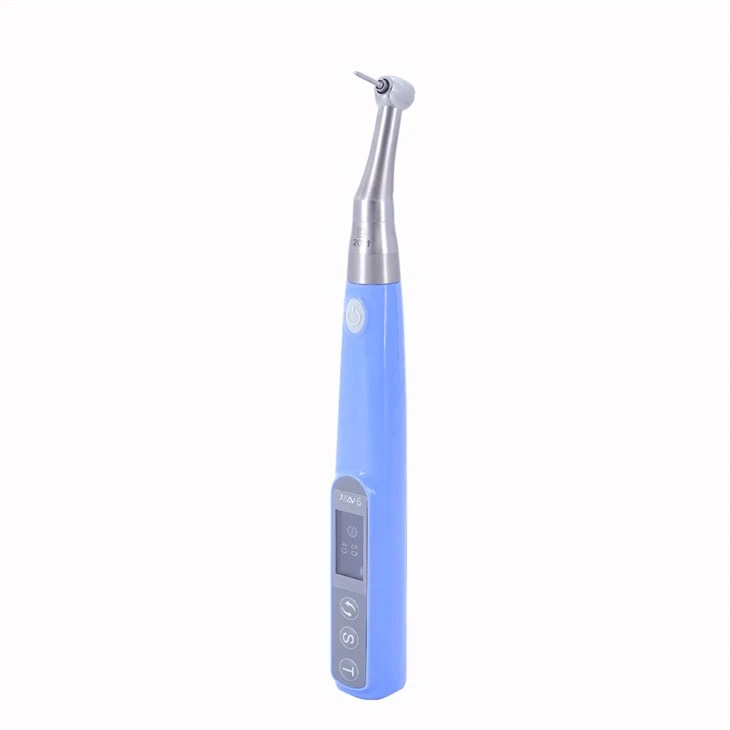
In addition to drills and wrenches, our Dental Implant Screwdriver Universal Box provides a convenient and organized way to store and transport all the necessary tools for dental implant surgery. The box is designed to hold a variety of screw drivers and other small instruments, ensuring that they are easily accessible and protected during the procedure.
Postoperative Care: Comfort and Healing
After the dental implant has been placed, the patient enters the postoperative phase of the treatment. This is a crucial period during which the implant integrates with the surrounding bone tissue, a process known as osseointegration. Proper postoperative care is essential for ensuring the success of the implant and promoting optimal healing.
One of the key aspects of postoperative care is pain management. Dental implant surgery can be associated with some discomfort, especially in the first few days after the procedure. The use of advanced pain management techniques, such as local anesthesia and analgesic medications, can help to minimize pain and discomfort during the recovery period.
In addition to pain management, proper oral hygiene is essential for preventing infection and promoting healing. Patients are typically instructed to maintain a strict oral hygiene routine, including brushing and flossing regularly and using an antibacterial mouthwash. Our Dental Implant Screw Drivers are designed to be easy to clean and sterilize, ensuring that they can be used safely and effectively in a clinical setting.
Another important aspect of postoperative care is follow-up appointments. These appointments allow the dentist to monitor the healing process and ensure that the implant is functioning properly. During these appointments, the dentist may take X-rays or perform other diagnostic tests to assess the status of the implant and the surrounding tissues.
Conclusion: The Benefits of Combined Tools
In conclusion, the combination of advanced tools and technologies has significantly improved the dental implant process, from preoperative planning to postoperative care. By using these tools, dentists can achieve greater precision, efficiency, and accuracy in implant placement, resulting in better outcomes for patients.
As a supplier of Dental Implant Screw Drivers, I am committed to providing high-quality tools that meet the needs of dentists and patients alike. Our Dental Implant Screw Driver, Dental Wireless Implant Electric Wrench Torque, and Dental Implant Screwdriver Universal Box are designed to work together seamlessly to enhance the dental implant process.
If you are a dentist or a dental professional interested in learning more about our products or discussing potential procurement opportunities, please feel free to reach out. We are always happy to engage in meaningful conversations about how our tools can improve your dental implant procedures and benefit your patients.
References
- Misch, C. E. (2018). Contemporary Implant Dentistry. Elsevier Health Sciences.
- Tarnow, D. P., & Cho, S. C. (2017). Dental Implants: A Clinical Approach. Wiley-Blackwell.
- Zarb, G. A., Albrektsson, T., & Wallhagen, H. (2017). Textbook of Oral Implantology. Quintessence Publishing.