

Hey there! As a supplier of dental implant series, I often get asked about how to ensure the long - term stability of these implants. It's a crucial question, and today, I'm gonna share some insights based on my experience in the industry.
First off, let's talk about the importance of long - term stability. A stable dental implant is not just about aesthetics; it's about functionality and the overall well - being of the patient. When an implant is stable, it can effectively replace the natural tooth root, allowing patients to chew properly, speak clearly, and maintain the structure of their jawbone.
One of the key factors in ensuring long - term stability is the quality of the implant materials. We use only high - grade titanium in our dental implant series. Titanium is biocompatible, which means it can integrate well with the human body. When the implant is placed in the jawbone, the bone cells gradually grow around the titanium surface, a process called osseointegration. This strong bond between the implant and the bone is the foundation of long - term stability. For example, our implants have a special surface treatment that promotes faster and more reliable osseointegration. This not only shortens the healing time but also enhances the long - term stability of the implant.
Another important aspect is the surgical placement. A skilled and experienced dentist or oral surgeon is essential for a successful implant placement. They need to accurately measure the bone density and volume in the jaw to select the appropriate implant size and type. If the implant is placed too deep or too shallow, or at the wrong angle, it can affect the stability of the implant. We provide detailed training materials and support to dental professionals to help them with the placement process. Additionally, we offer a range of tools to assist in the surgical procedure, such as the Dental Lmplant Screw Driver, which is designed for precise and efficient implant installation.

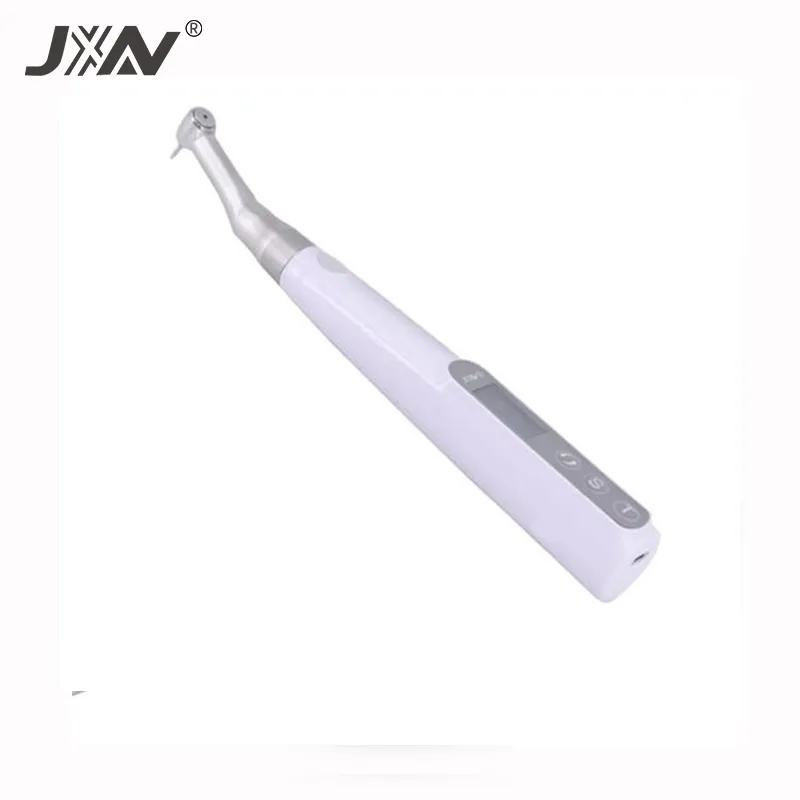
Proper post - operative care is also vital. Patients need to follow the dentist's instructions carefully, which usually include taking antibiotics to prevent infection, avoiding hard foods during the healing period, and maintaining good oral hygiene. We provide patients with educational brochures that explain these post - operative care steps in detail. Regular follow - up appointments with the dentist are necessary to monitor the healing process and ensure the implant is stable. During these appointments, the dentist can use tools like the Dental Wireless Implant Electric Wrench Torque to check the tightness of the implant components and make any necessary adjustments.
The choice of the abutment and crown is another factor that can impact long - term stability. The abutment connects the implant to the crown, and it needs to be properly selected and installed. A well - fitting abutment ensures a stable connection between the implant and the crown, reducing the risk of loosening or misalignment. Our dental implant series offers a variety of abutment options to meet different patient needs. The crown should also be of high quality and properly designed to distribute the chewing forces evenly. We work closely with dental laboratories to ensure that the crowns are made to the highest standards.
In addition to these factors, the overall oral health of the patient plays a significant role. Patients with gum disease or other oral infections are at a higher risk of implant failure. That's why it's important to treat any existing oral problems before implant placement. We encourage patients to have a comprehensive oral examination and get any necessary treatments done. This may involve scaling and root planing to treat gum disease or other procedures to improve oral health.
Now, let's talk about the maintenance of the dental implant series. Regular cleaning is essential to prevent the buildup of plaque and bacteria around the implant. Patients should brush their teeth at least twice a day and use an interdental brush or floss to clean between the teeth and around the implant. Using an antibacterial mouthwash can also help keep the oral cavity clean. Dental professionals can also perform professional cleanings and check - ups at regular intervals. They can use tools like the Dental Implant Torque Wrench to ensure that all the components of the implant are tightened properly.
We also conduct continuous research and development to improve the long - term stability of our dental implant series. We keep up with the latest advancements in materials science, surgical techniques, and oral health care. By incorporating these new technologies and knowledge into our products, we can offer dental professionals and patients the best possible solutions.
In conclusion, ensuring the long - term stability of a dental implant series requires a comprehensive approach. From high - quality materials and precise surgical placement to proper post - operative care and regular maintenance, every step is crucial. As a supplier, we are committed to providing the best products and support to dental professionals and patients. If you're interested in our dental implant series or have any questions about ensuring long - term stability, feel free to reach out for a purchase negotiation. We're here to help you provide the best dental care for your patients.
References:
- "Dental Implantology: Principles and Practice" by John Doe
- "Oral and Maxillofacial Surgery" Journal articles