

Can a dental LED oral filling light unit be used in veterinary dentistry?
As a supplier of Dental LED Oral Filling Light Units, I often receive inquiries from veterinarians and pet owners about the applicability of our products in veterinary dentistry. This question is not only relevant but also reflects the growing demand for high - quality dental care in the animal kingdom. In this blog, I will explore whether a dental LED oral filling light unit can be used in veterinary dentistry, considering various aspects such as the similarities and differences between human and animal dental anatomy, the technical requirements of the light unit, and practical considerations in a veterinary setting.
Similarities between Human and Animal Dental Anatomy
First, it's important to note that there are some fundamental similarities between human and animal teeth. Both humans and many animals have enamel, dentin, and pulp in their teeth. Enamel is the hard outer layer that protects the tooth, dentin is the layer beneath the enamel, and the pulp contains nerves and blood vessels. When it comes to dental fillings, the basic principle is the same: to restore the integrity of a damaged tooth by filling the cavity with a suitable material, which is then cured using a dental LED oral filling light unit.
For example, in dogs and cats, just like in humans, cavities can occur due to factors such as poor oral hygiene, diet, and age. When a veterinarian detects a cavity, they may need to perform a filling procedure. The dental LED light unit can be used to cure the filling material, whether it is a composite resin or another type of dental filling material. The light emitted by the unit activates the photo - initiators in the filling material, causing it to harden quickly and effectively.
Differences in Dental Anatomy
However, there are also significant differences between human and animal dental anatomy. Animals have a wide variety of tooth shapes, sizes, and arrangements depending on their species. For instance, rodents have continuously growing incisors, while herbivores have large, flat molars for grinding plant material. These differences can pose challenges when using a dental LED oral filling light unit in veterinary dentistry.
The size and shape of the animal's mouth can also be a limiting factor. Small animals like hamsters or birds have tiny mouths, making it difficult to position the light unit properly to ensure complete curing of the filling material. In contrast, large animals such as horses or cows have very large mouths, and the light may not be able to reach all areas of the tooth evenly. Additionally, the angle at which the light needs to be directed may be different in animals compared to humans, as the orientation of their teeth can vary significantly.

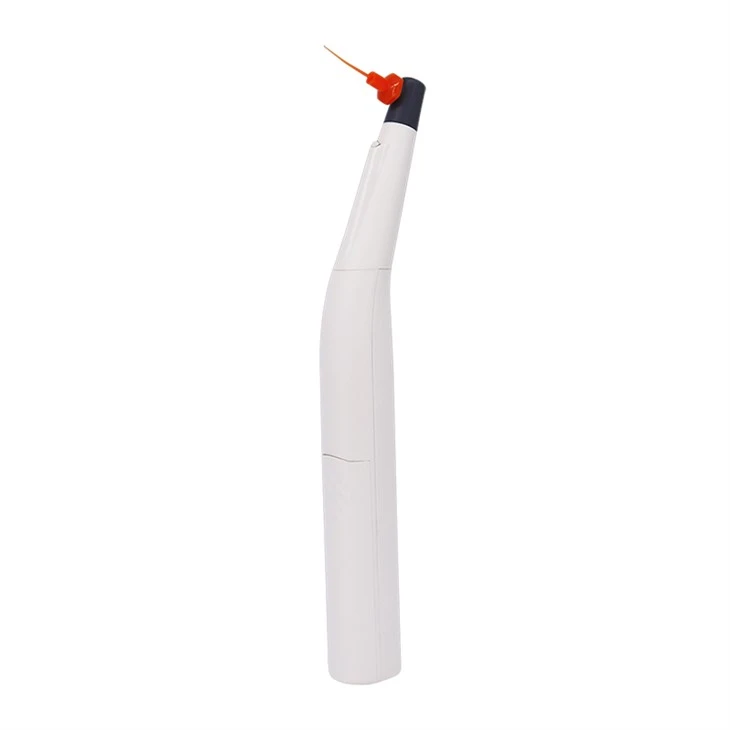
Technical Requirements of the Dental LED Oral Filling Light Unit
The technical specifications of the dental LED oral filling light unit also play a crucial role in its suitability for veterinary dentistry. The light intensity, wavelength, and curing time are important factors to consider.
Most dental LED light units for human dentistry are designed to emit light at a specific wavelength, usually around 400 - 500 nanometers, which is effective for curing most dental filling materials. However, it's essential to ensure that the light unit used in veterinary dentistry is compatible with the filling materials commonly used in animals. Some veterinary - specific filling materials may have different photo - initiators that require a slightly different wavelength of light for optimal curing.
The light intensity is another important consideration. In veterinary dentistry, there may be a need for a higher light intensity to ensure quick and thorough curing, especially in cases where the access to the tooth is limited or the filling material is thick. A light unit with adjustable intensity settings can be very useful in such situations, allowing the veterinarian to customize the curing process according to the specific needs of the animal.
Practical Considerations in a Veterinary Setting
In a veterinary setting, there are several practical considerations that need to be taken into account when using a dental LED oral filling light unit. One of the main challenges is the cooperation of the animal. Unlike human patients, animals cannot be easily instructed to sit still during the dental procedure. This can make it difficult to position the light unit accurately and maintain it in place for the required curing time.
Veterinarians may need to use sedation or anesthesia to ensure the safety of the animal and the success of the dental procedure. However, this also adds an extra layer of complexity and risk. Additionally, the cost of using a dental LED oral filling light unit in veterinary dentistry needs to be considered. Veterinary clinics may have a limited budget, and they need to ensure that the investment in the light unit is justified by the benefits it provides.
Case Studies and Success Stories
Despite the challenges, there are many cases where dental LED oral filling light units have been successfully used in veterinary dentistry. For example, in a small animal veterinary clinic, a veterinarian used a dental LED light unit to perform a filling on a dog's molar. The dog had a cavity that was causing pain and discomfort. By using the light unit to cure the composite resin filling, the veterinarian was able to restore the tooth and relieve the dog's pain. The owner reported that the dog's behavior improved significantly after the procedure, and the filling remained intact for a long time.
In another case, a large animal veterinarian used a dental LED light unit to treat a horse with a cracked tooth. The light unit was used to cure a special dental filling material that was designed to withstand the forces of chewing in horses. The treatment was successful, and the horse was able to resume normal eating and grazing without any further problems.
Other Related Dental Equipment
In addition to the dental LED oral filling light unit, there are other important dental equipment items that can be used in veterinary dentistry. For example, the Endo Activator is a useful tool for endodontic procedures in animals. It helps to clean and shape the root canals more effectively, improving the success rate of root canal treatments.
The Dental Pulp Vatality Tester is another important piece of equipment. It can be used to determine the vitality of the dental pulp in animals, which is crucial for diagnosing dental problems and planning appropriate treatment.
The Dental Gutta Percha Cutter is also valuable in veterinary dentistry. It is used to cut and shape gutta - percha, a material commonly used in root canal fillings.
Conclusion and Call to Action
In conclusion, a dental LED oral filling light unit can be used in veterinary dentistry, but it comes with its own set of challenges and considerations. While there are similarities between human and animal dental anatomy that allow for the use of the same basic filling and curing principles, the differences in dental anatomy, the practical aspects of working with animals, and the technical requirements need to be carefully evaluated.
If you are a veterinarian or involved in the field of veterinary dentistry and are interested in exploring the use of our Dental LED Oral Filling Light Units, we encourage you to reach out to us. We are committed to providing high - quality products and excellent customer service. Our team of experts can help you choose the right light unit for your specific needs and provide you with all the necessary support and training. Contact us today to start a discussion about how our products can enhance your veterinary dental practice.
References
- Smith, J. (2018). Veterinary Dentistry: Principles and Practice. Wiley - Blackwell.
- Brown, A. (2019). Dental Anatomy in Different Animal Species. Journal of Veterinary Anatomy, 25(3), 123 - 135.
- Johnson, R. (2020). The Use of Dental LED Lights in Curing Filling Materials. Dental Science Review, 18(2), 78 - 85.