

Hey there, dental enthusiasts! As a supplier of dental low-speed handpieces, I often get asked about the torque of these nifty tools. So, let's dive right in and break down what torque is all about in the context of dental low-speed handpieces.
First off, what the heck is torque? In simple terms, torque is a measure of the rotational force that a handpiece can generate. It's like the muscle behind the rotation of the bur or other dental instruments attached to the handpiece. When you're working on a patient's teeth, you need enough torque to get the job done efficiently, whether it's removing decay, shaping a filling, or polishing.
Think of it this way: if you've ever tried to loosen a stubborn bolt with a wrench, you know that you need to apply a certain amount of force to turn it. The more force you apply, the easier it is to turn the bolt. In the same way, a dental low-speed handpiece needs enough torque to rotate the instrument smoothly and effectively, even when it encounters resistance from the tooth structure.
Now, why is torque so important in a dental low-speed handpiece? Well, for starters, it directly affects the performance of the handpiece. A handpiece with low torque might struggle to cut through tough enamel or dentin, leading to longer treatment times and more frustration for both the dentist and the patient. On the other hand, a handpiece with high torque can power through the tooth structure with ease, making the procedure quicker and more comfortable.
Another reason why torque matters is precision. When you're working on a patient's teeth, you need to have precise control over the instrument. A handpiece with the right amount of torque allows you to make accurate cuts and adjustments, which is crucial for achieving optimal treatment outcomes. For example, if you're preparing a tooth for a crown, you need to be able to shape the tooth precisely to ensure a proper fit. Without enough torque, you might end up with an uneven or inaccurate preparation, which could lead to problems down the road.
So, how do you know if a dental low-speed handpiece has enough torque? Well, there are a few factors to consider. First, you need to look at the specifications of the handpiece. Most manufacturers will list the torque rating of their handpieces in their product literature or on their websites. The torque rating is usually measured in Newton centimeters (Ncm) or ounce inches (oz-in). Generally speaking, a higher torque rating means more power and better performance.
However, it's important to note that torque isn't the only factor that affects the performance of a handpiece. Other factors, such as the speed of the handpiece, the type of motor, and the design of the handpiece, can also have an impact. For example, a handpiece with a high torque rating but a low speed might not be as effective as a handpiece with a slightly lower torque rating but a higher speed. That's why it's important to consider all of these factors when choosing a dental low-speed handpiece.
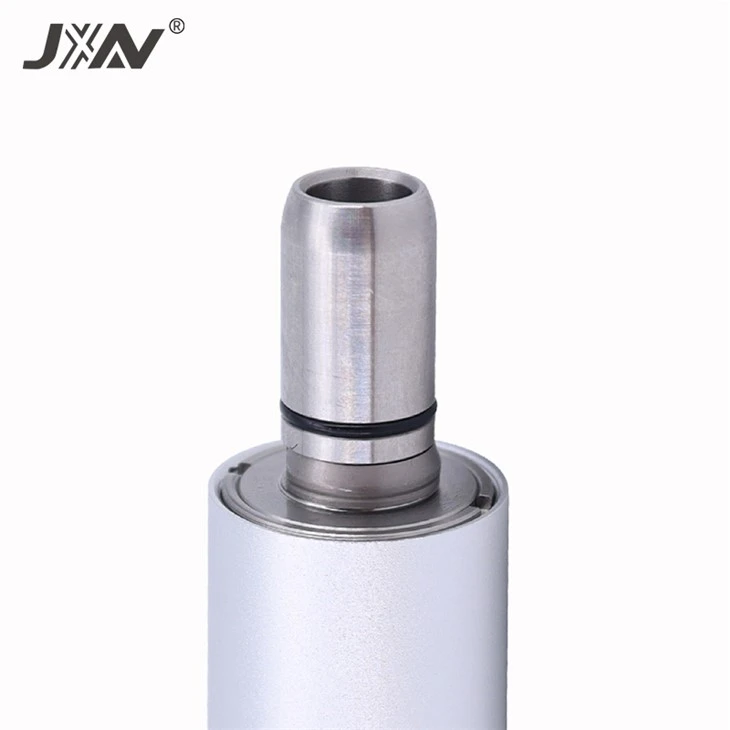
At our company, we offer a wide range of dental low-speed handpieces with different torque ratings to meet the needs of different dentists and procedures. For example, our FX Type External Air Motor is a popular choice among dentists who need a high-torque handpiece for heavy-duty cutting and shaping. This handpiece features a powerful external air motor that delivers consistent torque and performance, even under heavy loads.
If you're looking for a more versatile handpiece, our External Air Motor might be a good option. This handpiece offers a balance of torque and speed, making it suitable for a variety of dental procedures, from routine fillings to more complex restorations.
And for those times when you need to access hard-to-reach areas in the mouth, our External Contra Angle Handpiece is a great choice. This handpiece features a unique contra angle design that allows you to reach tight spaces with ease, while still providing enough torque to get the job done.
In addition to torque, there are a few other things to keep in mind when choosing a dental low-speed handpiece. For example, you need to consider the ergonomics of the handpiece. A handpiece that is comfortable to hold and easy to maneuver can help reduce fatigue and improve your control during procedures. You also need to think about the maintenance and durability of the handpiece. Look for a handpiece that is easy to clean and sterilize, and that is built to last.

Finally, I want to encourage you to reach out to us if you have any questions or if you're interested in learning more about our dental low-speed handpieces. We're here to help you find the right handpiece for your needs, and we're committed to providing you with the best possible service and support. Whether you're a seasoned dentist or just starting out in the field, we have the expertise and the products to help you succeed.
So, if you're ready to take your dental practice to the next level, give us a call or send us an email today. Let's work together to find the perfect dental low-speed handpiece for you and your patients.
References
- Dental Equipment and Materials: Principles and Techniques, by John E. Bird
- Contemporary Dental Assisting, by Carol A. Beemsterboer