

In the realm of modern dentistry, high - end dental implant series have revolutionized the way we approach tooth replacement. As a leading supplier of dental implant series, I am excited to delve into the intricate technologies that make these implants not only effective but also a game - changer in the field of oral healthcare.
1. Materials Science: The Foundation of High - End Dental Implants
The choice of materials for high - end dental implants is of utmost importance. Titanium is the most commonly used material due to its excellent biocompatibility. When titanium comes into contact with the human body, it forms a strong bond with the surrounding bone tissue through a process called osseointegration. This biological process is the cornerstone of successful dental implants.
High - end dental implant series often use pure titanium or titanium alloys. Pure titanium, with its high level of purity, offers superior biocompatibility and corrosion resistance. Titanium alloys, on the other hand, can provide enhanced mechanical properties such as increased strength and fatigue resistance. These materials are carefully selected and processed to ensure that they meet the strictest quality standards.
Advanced manufacturing techniques are employed to shape the titanium into the desired implant form. Computer - aided design and manufacturing (CAD/CAM) technology plays a crucial role here. CAD allows for the precise design of the implant based on the patient's specific oral anatomy, while CAM uses high - precision machining tools to fabricate the implant with micron - level accuracy. This ensures a perfect fit and optimal performance of the implant.
2. Surface Treatment Technologies
The surface of a dental implant is not just a smooth layer; it is a carefully engineered interface that interacts with the bone tissue. Surface treatment technologies are used to enhance osseointegration and improve the long - term stability of the implant.
One of the most common surface treatment methods is sandblasting and acid - etching. Sandblasting creates a rough surface on the implant, increasing its surface area and providing more sites for bone cells to attach. Acid - etching further modifies the surface by creating micro - and nano - scale features. These features promote the adhesion and proliferation of osteoblasts, the cells responsible for bone formation.
Another emerging surface treatment technology is the application of bioactive coatings. These coatings can contain substances such as hydroxyapatite, which is a major component of bone. By coating the implant with hydroxyapatite, the implant mimics the natural bone environment, accelerating the osseointegration process. Some bioactive coatings also release growth factors or antibiotics to promote bone growth and prevent infections.
3. Implant Design and Geometry
The design and geometry of a high - end dental implant are carefully optimized to distribute the forces exerted during chewing evenly across the implant and the surrounding bone. Different implant designs are available to suit various clinical situations.
Single - piece implants are designed as a single unit, which simplifies the implantation process. They are suitable for cases where the bone quality is good and the implant can be placed directly into the bone without the need for a two - stage procedure. Two - piece implants, on the other hand, consist of an implant body and an abutment. The abutment connects the implant to the prosthetic tooth. This design allows for more flexibility in the restoration process and is often used in more complex cases.
The shape of the implant also affects its performance. Threaded implants are commonly used as they provide better primary stability by engaging with the bone during insertion. The pitch and depth of the threads are carefully designed to optimize the mechanical interlock with the bone. Some implants have a tapered shape, which can facilitate easier insertion and better adaptation to the natural bone anatomy.
4. Surgical Tools and Technologies
In addition to the implants themselves, the surgical tools used in the implantation process are also a crucial part of the high - end dental implant series.
The Dental Lmplant Screw Driver is an essential tool for inserting and tightening the screws that secure the implant components. It is designed to provide precise control and torque during the procedure. High - quality screw drivers are made of durable materials and have ergonomic handles to ensure the comfort of the surgeon.
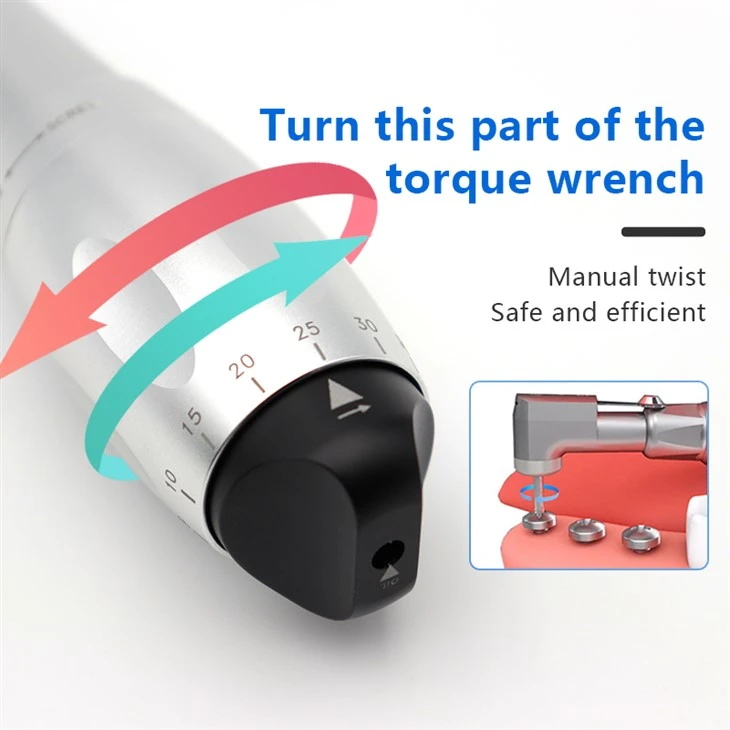
The Dental Implant Torque Wrench is used to measure and control the amount of torque applied during the implant installation. Proper torque is critical for ensuring the stability of the implant and preventing over - or under - tightening, which can lead to implant failure. The torque wrench allows the surgeon to apply the optimal amount of force, ensuring a secure and long - lasting implant.
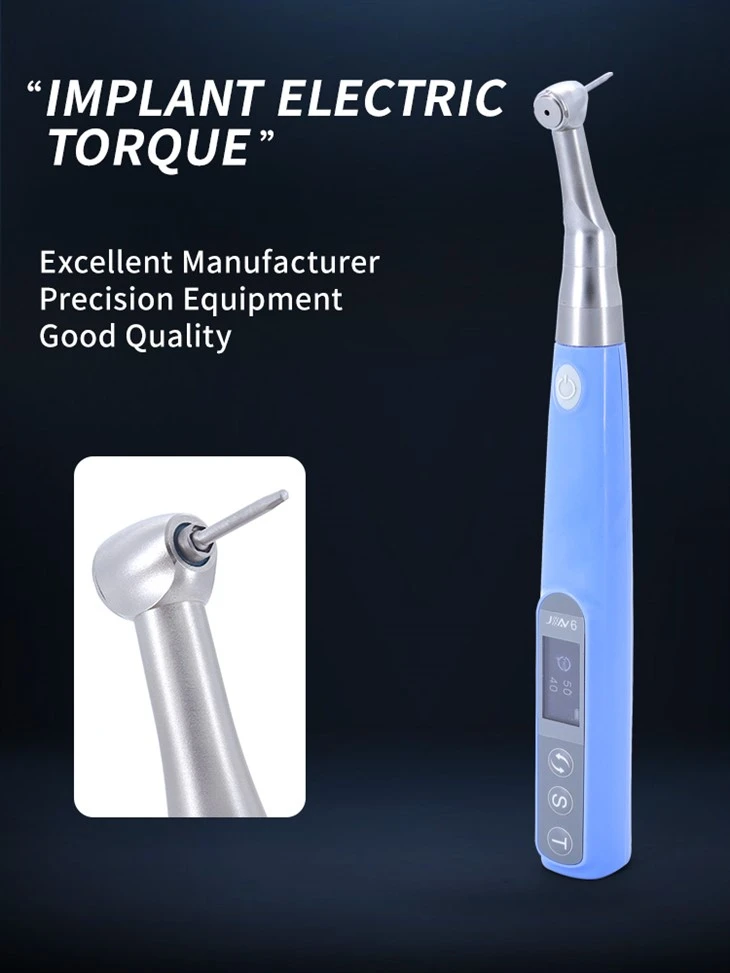
The Dental Wireless Implant Electric Wrench Torque is a more advanced tool that offers wireless operation and precise torque control. It can be easily adjusted to different torque settings, making it suitable for a variety of implant systems. The electric wrench reduces the physical effort required by the surgeon and provides more consistent results.
5. Digital Dentistry and Imaging Technologies
Digital dentistry has transformed the dental implant process. Intraoral scanners are used to capture detailed 3D images of the patient's oral cavity. These scanners provide accurate information about the tooth position, gum tissue, and bone structure, which is essential for the implant planning process.
Cone - beam computed tomography (CBCT) is another important imaging technology. It allows for the creation of high - resolution 3D images of the jawbone, providing detailed information about the bone density, anatomy, and the presence of any anatomical structures such as nerves or sinuses. This information helps the surgeon to plan the implant placement more accurately and avoid potential complications.
With the help of digital technologies, virtual implant planning can be carried out. The surgeon can use specialized software to simulate the implant placement, determine the optimal implant size and position, and visualize the final restoration. This not only improves the accuracy of the procedure but also allows for better communication with the patient, as they can see the expected outcome before the surgery.
Why Choose Our Dental Implant Series?
As a supplier of high - end dental implant series, we are committed to providing the latest and most advanced technologies in the field. Our implants are made from the highest quality materials, using state - of - the - art manufacturing processes. We offer a wide range of implant designs and surface treatments to meet the diverse needs of our customers.
Our surgical tools are designed with precision and ergonomics in mind, ensuring a smooth and efficient implantation process. We also provide comprehensive training and support to our customers, including dentists and dental technicians, to ensure that they can make the most of our products.
If you are interested in our dental implant series and would like to discuss procurement and business opportunities, we welcome you to reach out to us. Our team of experts is ready to assist you with any questions you may have and to help you find the best solutions for your dental practice.
References
- Albrektsson, T., & Wennerberg, A. (2004). Oral implant surfaces: Part 1 - review focusing on topographical and chemical properties of different surfaces and in vivo responses to them. International Journal of Prosthodontics, 17(5), 536 - 543.
- Buser, D., Martin, W., & Belser, U. C. (2004). Optimized surfaces for improved osseointegration. Clinical Oral Implants Research, 15(1), 1 - 11.
- Salama, H., & Salama, M. (2011). Soft tissue management in implant dentistry: The biologic width revisited. Journal of Esthetic and Restorative Dentistry, 23(5), 279 - 290.