

Hey there! As a supplier of Dental Handpiece Burs, I've had the chance to see firsthand how crucial these little tools are in oral surgery. So, let's dive into what the role of dental handpiece burs is in oral surgery.
What Are Dental Handpiece Burs?
First off, let's get a basic understanding of what dental handpiece burs are. They're the cutting or grinding tips that attach to dental handpieces. These handpieces can be high - speed or low - speed, and the burs come in various shapes, sizes, and grits, all designed for different tasks in the oral cavity.
Precision Cutting and Preparation
One of the primary roles of dental handpiece burs in oral surgery is precision cutting. When a dentist needs to remove decayed tooth structure, for example, they rely on these burs. A High Speed Handpiece Cartridge Rotor can spin the bur at incredibly high speeds, allowing for quick and efficient removal of the affected area. This is super important because it minimizes the amount of healthy tooth tissue that gets removed along with the decay.
In cases of preparing a tooth for a filling or a crown, the burs are used to shape the tooth precisely. The dentist can use different shapes of burs, like round - ended or tapered ones, to create the right contours. It's like being an artist, but instead of a paintbrush, you've got a dental bur!
Bone Removal and Manipulation
Dental handpiece burs also play a huge role when it comes to bone. In oral surgeries such as extractions where the tooth is impacted, the dentist might need to remove some of the surrounding bone to access the tooth. Burs can be used to carefully cut through the bone without causing excessive damage to the surrounding tissues.
For more complex surgeries like implant placement, the burs are used to create a precise socket in the jawbone for the implant. The dentist has to be extremely accurate because the success of the implant depends on how well it fits into the bone. A Low Speed Handpiece Cartridge Rotor is often used in these situations as it provides more control over the cutting process.
Soft Tissue Management
It's not just about teeth and bone; dental handpiece burs are also involved in soft tissue management. In some oral surgeries, the dentist might need to remove or reshape soft tissues like the gums. Special burs are designed for this purpose. They can be used to remove overgrown gum tissue or to create a better contour for a more aesthetically pleasing smile.
Efficiency and Time - Saving
Let's talk about efficiency. Without dental handpiece burs, oral surgeries would be a whole lot more time - consuming. The high - speed rotation of the burs allows for rapid removal of unwanted tissue, which means less time in the dental chair for the patient. This is a win - win situation. The patient gets to go home sooner, and the dentist can see more patients throughout the day.
Compatibility with Other Tools
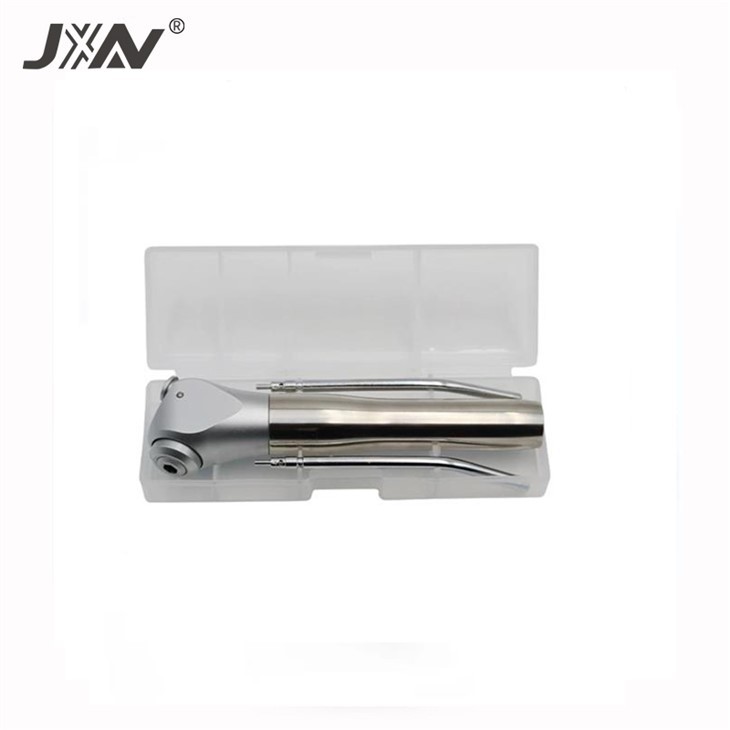
Dental handpiece burs work hand - in - hand with other dental tools. For example, a Dental Air Water Triple Syringe is often used in conjunction with the burs. The syringe can spray water or air to cool the bur and the surrounding tissues during the cutting process. This helps prevent overheating, which could damage the tooth or the surrounding tissues.
Quality and Durability
As a supplier, I know that the quality and durability of dental handpiece burs are of utmost importance. A high - quality bur will last longer, which means less frequent replacements for the dentist. It also ensures a consistent performance throughout the surgery. Cheaper, low - quality burs might break or become dull quickly, which can lead to a less efficient surgery and potentially more discomfort for the patient.
Different Types of Burs for Different Needs
There are so many different types of dental handpiece burs out there. There are diamond burs, which are great for cutting through hard materials like enamel and bone. They have a long lifespan and can provide a very smooth finish. Then there are carbide burs, which are more commonly used for general cutting and shaping. They're sharp and can be used on both tooth and bone.
Training and Skill
Using dental handpiece burs requires a high level of training and skill. Dentists and oral surgeons spend years learning how to use these tools safely and effectively. They need to know which bur to use for each specific situation, how to control the speed and pressure, and how to avoid damaging the surrounding tissues.
Innovation in Dental Handpiece Burs
The world of dental handpiece burs is constantly evolving. New materials and designs are being developed all the time to make the tools more efficient, safer, and easier to use. For example, some burs now have special coatings that reduce friction and heat generation, which is a huge advantage during surgery.
The Future of Dental Handpiece Burs
Looking ahead, I think we'll see even more advancements in dental handpiece burs. Maybe we'll have burs that can self - cool or ones that are even more precise. The goal is always to make oral surgeries as easy and pain - free as possible for the patient.
Why Choose Our Dental Handpiece Burs
As a supplier, I'm really proud of the dental handpiece burs we offer. We source them from top - notch manufacturers and ensure that they meet the highest quality standards. Our burs are designed to be durable, efficient, and compatible with a wide range of dental handpieces.
If you're a dentist or an oral surgeon looking for high - quality dental handpiece burs, we'd love to talk to you. Whether you need burs for routine fillings or complex oral surgeries, we've got you covered. Get in touch with us to discuss your specific needs and start a procurement negotiation. We're here to help you find the perfect dental handpiece burs for your practice.

References
- Cohen, S., & Burns, R. C. (Eds.). (2018). Pathways of the Pulp. Elsevier.
- Fehrenbach, M. J., & Herring, S. W. (2012). Illustrated Anatomy of the Head and Neck. Elsevier.
- Newman, M. G., Takei, H. H., Klokkevold, P. R., & Carranza, F. A. (Eds.). (2012). Carranza's Clinical Periodontology. Elsevier.