

When it comes to dental equipment, the noise level of a dental sandblasting unit is a crucial factor that both dental professionals and patients often overlook. As a supplier of dental sandblasting units, I understand the significance of this aspect and am eager to share comprehensive insights into the noise levels associated with these essential devices.
Understanding Dental Sandblasting Units
Dental sandblasting units are used in various dental procedures, including teeth cleaning, removing stains, and preparing tooth surfaces for bonding. These units work by propelling abrasive particles at high speeds onto the tooth surface. There are different types of dental sandblasting units available in the market, each with its unique features and functions. For instance, the Aluminium Oxide Sandblasting Unit is widely used due to its effectiveness in removing stubborn stains. The Oral Air Prophy Teeth Cleaning Sandlasting Unit is specifically designed for gentle yet thorough teeth cleaning, while the Aluminium Oxide Sandblasting Unit with Water Spary combines the benefits of sandblasting with water for a more comfortable patient experience.
Factors Affecting the Noise Level
Several factors contribute to the noise level of a dental sandblasting unit. Firstly, the design and construction of the unit play a significant role. Units with high - quality components and well - engineered designs tend to produce less noise. For example, a unit with a well - insulated motor and air compressor will operate more quietly compared to one with a poorly designed or uninsulated system.
The type of abrasive material used also affects the noise. Different abrasive particles have different properties, and some may cause more noise when propelled through the nozzle. Aluminium oxide, a commonly used abrasive in dental sandblasting, may produce a certain level of noise depending on its particle size and shape. Finer particles may result in less noise compared to coarser ones as they flow more smoothly through the system.
The pressure at which the sandblasting is performed is another crucial factor. Higher pressures generally lead to louder noise levels. When the air pressure is increased to achieve a more powerful sandblasting effect, the force of the abrasive particles hitting the tooth surface and the movement of air through the unit generate more noise. Dental professionals need to strike a balance between the desired cleaning or treatment outcome and the acceptable noise level for the patient.
Measuring the Noise Level
The noise level of a dental sandblasting unit is typically measured in decibels (dB). A normal conversation usually occurs at around 60 dB, while a lawnmower can produce noise levels of about 90 dB. Dental sandblasting units usually fall within the range of 70 - 90 dB, depending on the factors mentioned above.
To accurately measure the noise level of a dental sandblasting unit, a sound level meter can be used. This device is placed at a specific distance from the unit, usually at the patient's ear level, to simulate the actual noise exposure during a dental procedure. By measuring the noise level, dental professionals can ensure that it remains within the acceptable limits for patient comfort and safety.
Impact of Noise on Patients and Dental Staff
Excessive noise from a dental sandblasting unit can have a negative impact on both patients and dental staff. For patients, high - level noise can cause anxiety and discomfort during the dental procedure. It may also lead to temporary or even permanent hearing damage if the exposure is prolonged. Patients may become more tense, which can make the dental treatment more challenging for the dentist.
Dental staff are also at risk of hearing problems due to their repeated exposure to the noise. Prolonged exposure to high - decibel noise can result in noise - induced hearing loss, tinnitus (ringing in the ears), and other auditory issues. Therefore, it is essential to choose a dental sandblasting unit with a relatively low noise level to protect the well - being of both patients and dental professionals.
Strategies to Reduce the Noise Level
As a supplier, we are committed to providing dental sandblasting units with low noise levels. One approach is to use advanced insulation materials in the construction of the units. These materials can absorb and dampen the sound generated by the motor and air compressor, reducing the overall noise output.
Another strategy is to optimize the design of the air flow within the unit. By ensuring a smooth and efficient air flow, we can minimize the turbulence and noise caused by the movement of air. This includes using properly sized pipes and nozzles and designing the internal structure of the unit to reduce air resistance.
Regular maintenance of the dental sandblasting unit is also crucial. Over time, components such as the motor, air compressor, and nozzles may wear out, which can increase the noise level. By performing routine maintenance, such as cleaning, lubricating, and replacing worn - out parts, we can keep the unit operating quietly and efficiently.

Our Product Offerings
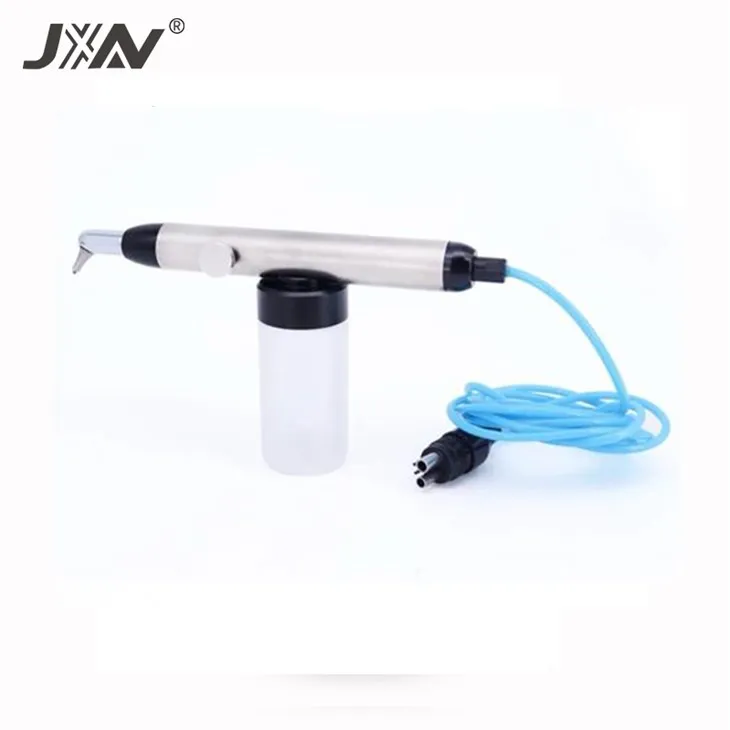
At our company, we offer a range of dental sandblasting units that are designed with noise reduction in mind. Our Aluminium Oxide Sandblasting Unit is engineered with high - quality components and advanced insulation to minimize noise. It provides excellent sandblasting performance while keeping the noise level at a comfortable range for both patients and dental staff.
The Oral Air Prophy Teeth Cleaning Sandlasting Unit is specifically designed for gentle teeth cleaning with a focus on patient comfort. Its unique design reduces the noise generated during the cleaning process, making it an ideal choice for dental clinics.
Our Aluminium Oxide Sandblasting Unit with Water Spary combines the benefits of sandblasting and water spray. The water spray not only enhances the cleaning effect but also helps to reduce the noise by dampening the impact of the abrasive particles.
Contact Us for Procurement
If you are a dental professional or a dental clinic owner looking for a high - quality dental sandblasting unit with a low noise level, we invite you to contact us for procurement. Our team of experts is ready to assist you in choosing the right unit for your specific needs. We can provide detailed product information, technical support, and competitive pricing. By choosing our dental sandblasting units, you can ensure a comfortable and efficient dental experience for both your patients and your staff.
References
- American Dental Association. (Year). Guidelines for Dental Equipment Safety and Performance.
- World Health Organization. (Year). Noise Pollution and Health.
- Journal of Dental Research. (Year). Impact of Dental Equipment Noise on Patient and Staff Well - being.