

Hey there! As a supplier of Internal Air Motors, I've had my fair share of questions about what the standard specifications of these motors are. So, I thought I'd take a moment to break it down for you in a way that's easy to understand.
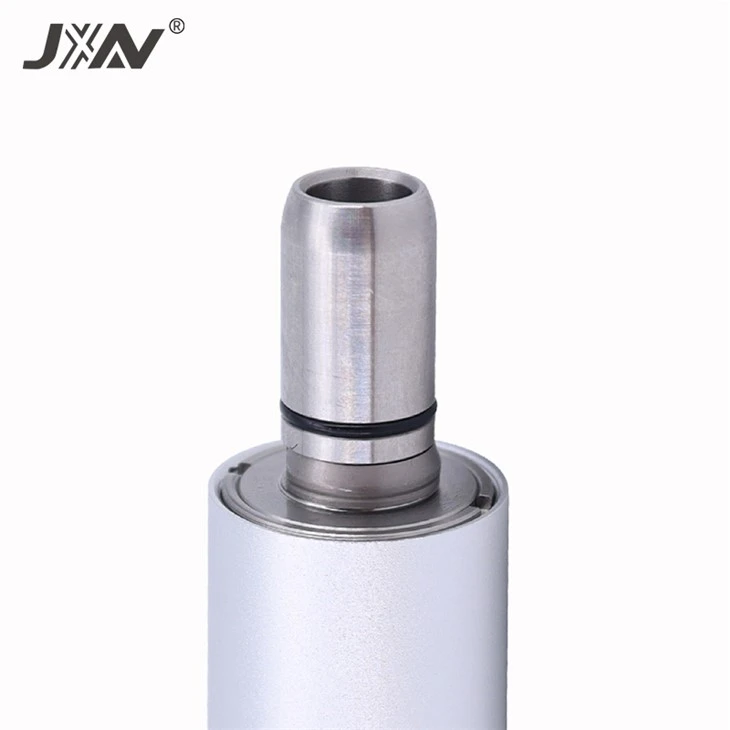

First off, let's talk about what an Internal Air Motor is. Simply put, it's a type of motor that uses compressed air to generate power. These motors are commonly used in a variety of industries, but in my line of work, they're a key component in dental handpieces. They're designed to be compact, efficient, and reliable, making them ideal for use in tight spaces and high - precision applications.
Power Output
One of the most important specifications of an Internal Air Motor is its power output. This is usually measured in watts or horsepower. The power output determines how much work the motor can do. For dental applications, a typical Internal Air Motor might have a power output ranging from 0.5 to 2 watts. This might not sound like much, but it's more than enough to drive the small burs and drills used in dental procedures.
The power output also affects the speed and torque of the motor. Speed is measured in revolutions per minute (RPM), and torque is the rotational force that the motor can generate. In dental work, a high - speed motor with a relatively low torque is often preferred for tasks like cutting and shaping teeth. On the other hand, some procedures might require a lower - speed motor with higher torque, such as when removing stubborn fillings.
Air Consumption
Another crucial specification is air consumption. This refers to the amount of compressed air that the motor uses to operate. Air consumption is measured in liters per minute (LPM). A motor with high air consumption will require a larger and more powerful air compressor to supply it with enough air. This can be a consideration for dental clinics, as larger air compressors can be more expensive to purchase and operate.
Typically, an efficient Internal Air Motor will have an air consumption in the range of 10 - 30 LPM. This allows for a good balance between power and air usage, ensuring that the motor can operate effectively without putting too much strain on the air supply system.
Noise Level
No one likes a noisy motor, especially in a dental setting where patients are already on edge. That's why the noise level of an Internal Air Motor is an important specification. Noise level is measured in decibels (dB). A quiet motor is more comfortable for both the dentist and the patient.
Most modern Internal Air Motors are designed to operate quietly, with noise levels typically ranging from 50 - 70 dB. This is about as loud as a normal conversation, which is much more tolerable than the high - pitched screeching that older motors used to produce.
Size and Dimensions
The size and dimensions of the Internal Air Motor are also significant. Since these motors are often used in dental handpieces, they need to be small and lightweight. The overall size of the motor can affect the ergonomics of the handpiece, which is important for the dentist's comfort and control during procedures.
A typical Internal Air Motor might have a diameter of around 10 - 15 mm and a length of 20 - 30 mm. These compact dimensions allow for a more comfortable grip and better maneuverability in the patient's mouth.
Durability and Maintenance
Durability is a key factor when it comes to Internal Air Motors. They need to be able to withstand the rigors of daily use in a dental clinic. Most motors are made from high - quality materials such as stainless steel and aluminum, which are resistant to corrosion and wear.
Maintenance is also an important consideration. A well - designed Internal Air Motor should be easy to clean and lubricate. Some motors come with self - lubricating features, which can reduce the amount of maintenance required. Regular maintenance, such as cleaning the air intake and changing the lubricant, can extend the lifespan of the motor.
Compatibility
Compatibility is another important specification. An Internal Air Motor needs to be compatible with the dental handpiece it's used in. This includes both mechanical and electrical compatibility. For example, the motor needs to fit properly into the handpiece housing and be able to connect to the air supply system without any issues.
In addition, some dental handpieces may require a specific type of motor with certain electrical or control features. It's important to ensure that the motor you choose is fully compatible with your existing handpiece or the one you plan to purchase.
Cooling System
Many Internal Air Motors are equipped with a cooling system. This is important because the motor can generate a significant amount of heat during operation. Excessive heat can damage the motor and reduce its lifespan.
The cooling system can be either air - cooled or water - cooled. Air - cooled motors use the flow of compressed air to dissipate heat, while water - cooled motors use a small amount of water to carry away the heat. Water - cooled motors are generally more efficient at cooling, but they can be more complex and require a separate water supply system.
Examples of Related Products
If you're in the market for a dental handpiece that uses an Internal Air Motor, you might be interested in checking out some of our related products. We offer the Internal Contra Angle Handpiece, which is designed for low - speed dental procedures. It's compact, lightweight, and easy to handle.
We also have the FX Type External Air Motor and the External Air Motor. These external air motors are suitable for a variety of dental applications and offer reliable performance.
Why Choose Our Internal Air Motors
As a supplier, we take pride in offering high - quality Internal Air Motors that meet all the standard specifications we've discussed. Our motors are designed and manufactured to the highest standards, ensuring reliability, efficiency, and durability.
We understand that every dental clinic has different needs, so we offer a range of motors with different power outputs, air consumptions, and other specifications. This allows you to choose the motor that best suits your specific requirements.
Let's Talk!
If you're interested in learning more about our Internal Air Motors or have any questions about the specifications, don't hesitate to reach out. We're here to help you find the perfect motor for your dental practice. Whether you're a small private clinic or a large dental hospital, we have the products and expertise to meet your needs. Let's start a conversation and see how we can work together to improve your dental equipment.
References
- Dental Equipment Handbook, 3rd Edition
- Journal of Dental Technology, Vol. 15, Issue 2
- Manufacturer's Specifications for Internal Air Motors