

Hey there! As a supplier of Dental Implant Screw Drivers, I've been getting a lot of questions lately about the special requirements for these tools in pediatric cases. So, I thought I'd sit down and share some insights on this topic.
First off, let's talk about why pediatric cases are different when it comes to dental implant screw drivers. Kids aren't just small adults, and their dental anatomy is still developing. This means that we need to take extra care when using dental implant tools on them.
One of the most important factors is the size of the screw driver. Pediatric patients have smaller mouths and more delicate dental structures compared to adults. A regular-sized screw driver might be too big and bulky for a child's mouth, making it difficult to maneuver and increasing the risk of injury. That's why we need screw drivers that are specifically designed to be smaller and more precise. These smaller tools can reach the targeted area more easily and reduce the chances of accidentally damaging surrounding tissues.
Another crucial aspect is the torque control. In pediatric cases, we need to be extremely careful with the amount of force applied. Children's teeth and jawbones are still growing and developing, and excessive torque can cause damage to the developing structures. A good dental implant screw driver for pediatric use should have a reliable torque control system. This system allows the dentist to set the appropriate amount of force, ensuring that the implant is inserted correctly without causing any harm. For example, our Dental Wireless Implant Electric Wrench Torque is a great option as it offers precise torque control, which is essential for pediatric cases.
The design of the screw driver also plays a vital role. It should be ergonomic and easy to hold. Since pediatric dental procedures can be more challenging due to the small working space and the child's potential restlessness, a comfortable grip is key. A well-designed handle allows the dentist to have better control over the tool, reducing the risk of slippage and improving the overall accuracy of the procedure. Our Dental Implant Screwdriver Universal Box not only provides a convenient way to store the screw drivers but also includes tools with ergonomic designs that are suitable for pediatric use.
In addition to these physical aspects, the material of the screw driver is also important. It should be made of high - quality, biocompatible materials. Since the screw driver comes into direct contact with the patient's oral cavity, using a biocompatible material reduces the risk of allergic reactions or other adverse effects. Stainless steel is a commonly used material for dental implant screw drivers as it is durable, corrosion - resistant, and biocompatible.
Now, let's talk about the sterilization process. Pediatric patients are more vulnerable to infections, so it's crucial that the screw drivers can be effectively sterilized. The screw driver should be able to withstand high - temperature sterilization methods without losing its functionality or integrity. This ensures that each time the tool is used, it is free from any harmful microorganisms.
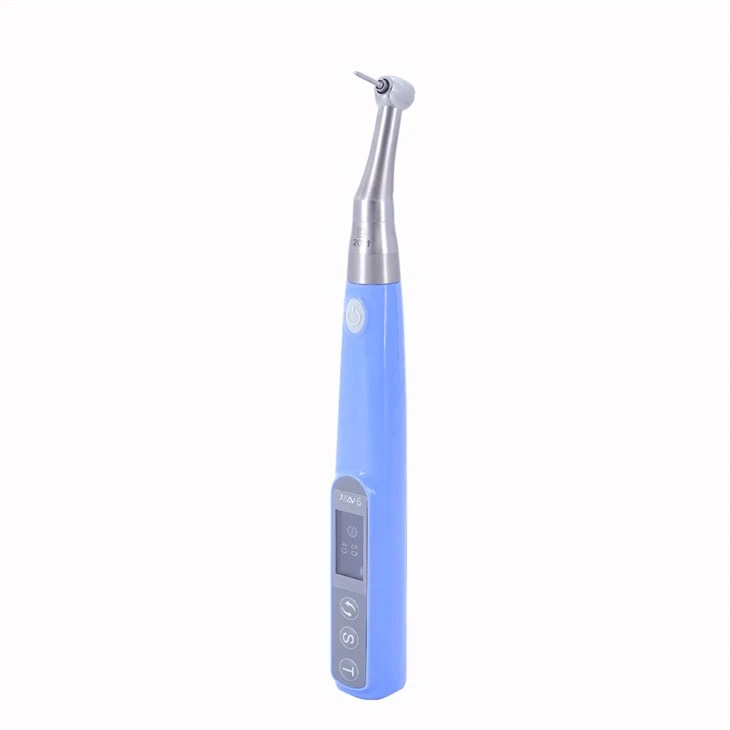

When it comes to the tip of the screw driver, it needs to be very precise. In pediatric cases, the implants are often smaller, and a precise tip is necessary to ensure a proper fit between the screw driver and the implant. A loose or ill - fitting tip can lead to improper insertion of the implant, which can cause long - term problems. Our Dental Lmplant Screw Driver has tips that are designed with high precision to meet the requirements of pediatric cases.
Moreover, the visibility of the tool during the procedure is also important. Since pediatric patients may have a smaller oral opening, it can be difficult for the dentist to see the working area clearly. Some screw drivers come with features like illuminated tips or transparent handles, which can improve the visibility and make the procedure safer and more efficient.
It's also worth mentioning that pediatric cases may require a different approach in terms of patient cooperation. Children may be more scared or uncooperative during dental procedures. A screw driver that is quiet in operation can help reduce the child's anxiety. A noisy tool can startle the child and make it even more difficult for the dentist to perform the procedure.
In conclusion, the special requirements for a dental implant screw driver in pediatric cases are quite different from those in adult cases. We need to consider factors such as size, torque control, design, material, sterilization, tip precision, visibility, and noise level. As a supplier, we are committed to providing high - quality screw drivers that meet all these requirements.
If you're in the market for dental implant screw drivers suitable for pediatric cases, we'd love to have a chat with you. Whether you're a dentist, a dental clinic owner, or someone involved in the dental industry, we can provide you with the right tools for the job. Don't hesitate to reach out and start a conversation about your procurement needs. We're here to help you make the best choice for your patients.
References
- Dental Implantology in Pediatric Dentistry: A Review of the Literature. Journal of Pediatric Dentistry
- Pediatric Oral and Maxillofacial Surgery: Principles and Practice. McGraw - Hill Education