

A dental ratio handpiece is an essential tool in any dental practice, playing a crucial role in various dental procedures. Over time, however, these handpieces can wear out and may need to be replaced. As a dental ratio handpiece supplier, I've witnessed firsthand the impact of using worn - out handpieces on both the quality of dental work and the efficiency of the dental team. In this blog, I'll share the signs that indicate a dental ratio handpiece needs to be replaced.
1. Decreased Performance in Speed and Torque
One of the most obvious signs that a dental ratio handpiece is on its last legs is a decline in its speed and torque. Dental handpieces are designed to operate at specific speeds and with a certain amount of torque to effectively cut through tooth enamel, dentin, and other materials. When a handpiece starts to lose its power, it may struggle to maintain the required speed during procedures.
For example, if you notice that the handpiece is taking longer to make a simple cavity preparation or if it slows down significantly when encountering harder tooth structures, this could be a sign of a problem. In some cases, the handpiece may not reach its maximum speed at all. A handpiece that was once reliable and efficient is now causing delays in your work, which can be frustrating for both you and your patients.
Regular maintenance can sometimes help improve the performance of a handpiece, but if the decline in speed and torque persists even after proper servicing, it's likely time to consider a replacement. Our 20:1 Reducing Contra Angle Handpiece is designed to provide consistent speed and torque, ensuring smooth and efficient dental procedures.
2. Unusual Noise and Vibration
Another tell - tale sign of a failing dental ratio handpiece is the presence of unusual noise and vibration. A well - functioning handpiece should operate quietly and with minimal vibration. When you start to hear grinding, rattling, or screeching sounds coming from the handpiece during operation, it's a clear indication that something is wrong.
These noises can be caused by a variety of issues, such as worn - out bearings, damaged gears, or loose components. Excessive vibration can also be a problem, as it can make it difficult to control the handpiece accurately, leading to less precise dental work. Moreover, the increased vibration can cause discomfort for the patient and may even lead to hand fatigue for the dentist or dental assistant.
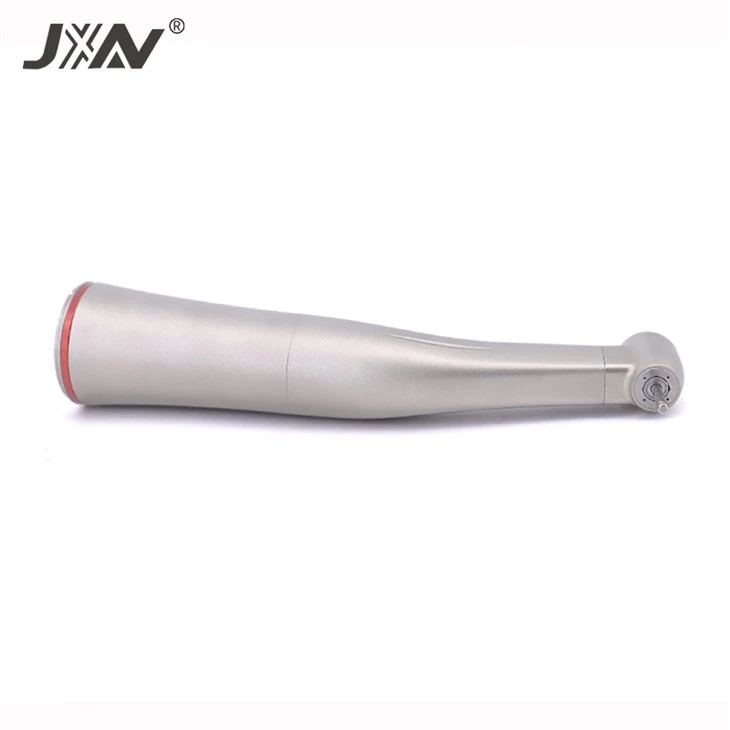

If you notice any abnormal noise or vibration in your handpiece, it's important to have it inspected immediately. In many cases, minor issues can be fixed, but if the problem is severe, replacement may be the best option. Our 1:1 Fiber Optic LED Contra Angle Handpiece is engineered to minimize noise and vibration, providing a more comfortable and precise working experience.
3. Frequent Jamming
Frequent jamming is a major headache for dental professionals. A handpiece that jams during a procedure can disrupt the flow of work, cause damage to the dental bur, and even lead to patient discomfort. Jamming can occur when the handpiece's internal components are not functioning properly.
For instance, if the gears are misaligned or if there is debris stuck inside the handpiece, it can cause the bur to stop rotating or become stuck. This can be particularly problematic during delicate procedures where precision is key. Regular cleaning and lubrication can help prevent jamming to some extent, but if the handpiece continues to jam despite proper maintenance, it's a sign that it may need to be replaced.
Our 1:5 Increasing Contra Angle Handpiece is designed with high - quality components to minimize the risk of jamming, ensuring a seamless dental experience.
4. Poor Water Spray
Proper water spray is essential for cooling the dental bur and the tooth during a procedure. It helps prevent overheating, which can damage the tooth and the bur, and also helps to keep the field of operation clear by flushing away debris. If you notice that the water spray from your handpiece is weak, uneven, or non - existent, this is a serious issue.
A blocked water channel, a damaged water valve, or a problem with the water supply system can all cause poor water spray. Inadequate water spray can lead to overheating of the bur, which can dull it quickly and increase the risk of tooth damage. It can also make it difficult to see the working area clearly, affecting the accuracy of your dental work.
If you've tried to clean the water channels and troubleshoot the water supply but the problem persists, it may be time to invest in a new handpiece. Our handpieces are designed with efficient water spray systems to ensure optimal cooling and visibility during dental procedures.
5. Visible Damage
Visible damage to the handpiece is perhaps the most obvious sign that it needs to be replaced. This can include cracks in the body of the handpiece, broken components, or signs of corrosion. Cracks can allow water and debris to enter the handpiece, causing further damage to the internal components. Broken parts, such as a damaged head or a loose connection, can make the handpiece unsafe and ineffective to use.
Corrosion can occur over time, especially if the handpiece is not properly cleaned and dried after use. It can weaken the structural integrity of the handpiece and affect its performance. Even small signs of damage should not be ignored, as they can lead to more serious problems down the line.
6. Increased Maintenance Requirements
If you find yourself constantly having to service and maintain your dental ratio handpiece, it may be a sign that it's nearing the end of its useful life. While regular maintenance is important for the longevity of any dental instrument, a handpiece that requires frequent and costly repairs is not cost - effective in the long run.
Each time you send the handpiece for servicing, it takes time away from your practice, and the cost of parts and labor can add up. Moreover, if the same problems keep recurring even after multiple repairs, it's a clear indication that the handpiece is no longer reliable.
As a dental ratio handpiece supplier, we understand the importance of having reliable and high - quality handpieces in your practice. Our range of handpieces is designed to meet the needs of modern dental professionals, offering superior performance, durability, and ease of use. If you're experiencing any of the signs mentioned above with your current handpiece, we encourage you to contact us to discuss your options for a replacement.
We are committed to providing you with the best dental ratio handpieces on the market. Whether you need a handpiece for general dentistry, endodontics, or oral surgery, we have a solution for you. Don't let a failing handpiece slow down your practice. Contact us today to start the conversation about upgrading your dental ratio handpieces.
References
- Dental Handpiece Maintenance and Repair Guidelines, American Dental Association
- Advances in Dental Handpiece Technology, Journal of Dental Research
- The Impact of Handpiece Performance on Dental Procedures, International Journal of Dentistry