

In the field of dental implantology, the dental implant screw driver is an indispensable tool. Its proper use and strict infection control are crucial for ensuring the success of dental implant surgeries and the safety of patients. As a supplier of Dental Implant Screw Drivers, I am well - versed in the importance of infection control measures for these tools.
Understanding the Risks of Contamination
Dental implant screw drivers come into direct contact with the patient's oral cavity, which is a complex environment full of various microorganisms. Bacteria, viruses, and fungi can adhere to the surface of the screw driver during the implant procedure. If not properly disinfected and sterilized, these contaminants can cause postoperative infections, leading to implant failure, prolonged patient recovery times, and potential systemic health issues.
For example, Streptococcus mutans, a common oral bacterium, can form biofilms on the surface of dental instruments. These biofilms are difficult to remove and can protect bacteria from the effects of disinfectants. If a contaminated screw driver is used in an implant procedure, the bacteria can be introduced into the implant site, increasing the risk of peri - implantitis, an inflammatory condition that can lead to the loss of the implant.
Pre - use Inspection and Cleaning
Before each use, a thorough inspection of the dental implant screw driver is essential. Check for any visible damage, such as cracks, bent tips, or loose parts. Damaged tools may not function properly and can also harbor more contaminants. If any damage is detected, the screw driver should be removed from service and either repaired or replaced.
After inspection, the first step in the infection control process is cleaning. Cleaning removes organic debris, such as blood, saliva, and tissue fragments, from the surface of the screw driver. This can be done using a mild detergent and warm water. Ultrasonic cleaners are often used in dental clinics to enhance the cleaning process. The ultrasonic waves create tiny bubbles that implode on the surface of the tool, dislodging dirt and debris.
It is important to disassemble the screw driver if possible during the cleaning process. This allows for a more thorough cleaning of all parts, including hard - to - reach areas. After cleaning, rinse the screw driver thoroughly with clean water to remove any remaining detergent.
Disinfection
Disinfection is a process that reduces the number of microorganisms on the surface of the screw driver to a level that is considered safe for use. There are several types of disinfectants available for dental instruments, including chemical disinfectants and high - level disinfectants.
Chemical disinfectants, such as glutaraldehyde, hydrogen peroxide, and peracetic acid, can be used to soak the screw driver for a specified period of time. The soaking time and concentration of the disinfectant depend on the type of disinfectant and the manufacturer's instructions. However, it is important to note that chemical disinfectants may not be effective against all types of microorganisms, especially spores.
High - level disinfectants are more effective in killing a wider range of microorganisms, including spores. These disinfectants are often used in combination with heat or other physical methods. For example, some high - level disinfectants require the use of a special disinfection machine that combines chemical disinfection with heat and pressure.
Sterilization
Sterilization is the most effective method of infection control, as it eliminates all forms of microbial life, including bacteria, viruses, fungi, and spores. There are several methods of sterilizing dental implant screw drivers, including steam sterilization, dry heat sterilization, and ethylene oxide sterilization.
Steam sterilization, also known as autoclaving, is the most commonly used method in dental clinics. It uses high - pressure steam to kill microorganisms. The screw driver is placed in a sterilization pouch or container and then loaded into an autoclave. The autoclave heats the steam to a temperature of at least 121°C (250°F) for a specified period of time, usually 15 - 30 minutes, depending on the size and type of the load.
Dry heat sterilization is another option. It involves heating the screw driver in an oven at a high temperature, typically 160 - 180°C (320 - 356°F) for 1 - 2 hours. Dry heat sterilization is suitable for instruments that are sensitive to moisture, but it requires a longer time and higher temperature compared to steam sterilization.
Ethylene oxide sterilization is a gas - based sterilization method. It is effective against all types of microorganisms, including spores, and is suitable for heat - sensitive instruments. However, ethylene oxide is a toxic gas, and special equipment and safety precautions are required for its use.
Storage
Proper storage of the sterilized dental implant screw driver is also important to prevent re - contamination. After sterilization, the screw driver should be stored in a clean, dry, and dust - free environment. Sterilization pouches or containers should be sealed properly to maintain the sterility of the tool.
It is recommended to store the screw drivers in a dedicated cabinet or drawer that is used only for sterile instruments. The storage area should be regularly cleaned and disinfected to prevent the growth of microorganisms.
Post - use Handling
After each use, the screw driver should be immediately placed in a container with a disinfectant solution to prevent the drying of organic debris. This will make the subsequent cleaning process easier. Avoid leaving the used screw driver exposed to the air for an extended period of time, as this can increase the risk of contamination.

Complementary Tools for Infection Control
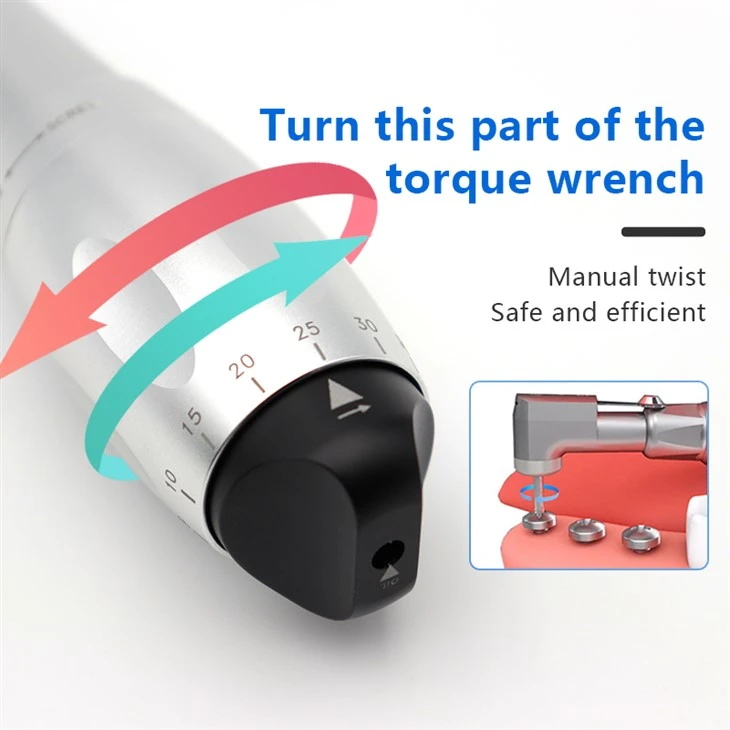
In addition to the dental implant screw driver itself, there are other complementary tools that can help with infection control. The Dental Implant Torque Wrench is an important tool that ensures the proper tightening of implant screws. By using a torque wrench, the risk of over - or under - tightening the screws is reduced, which can prevent implant failure and the need for re - intervention. This tool should also be properly cleaned, disinfected, and sterilized following the same procedures as the screw driver.
The Dental Implant Screwdriver Universal Box provides a convenient and organized way to store and transport dental implant screw drivers. It can help protect the screw drivers from damage and contamination during storage and transportation. The box should be cleaned and disinfected regularly to maintain a clean environment for the tools.
Conclusion
Infection control for dental implant screw drivers is a multi - step process that requires strict adherence to established protocols. From pre - use inspection and cleaning to disinfection, sterilization, storage, and post - use handling, every step is crucial for ensuring the safety and effectiveness of these tools.
As a supplier of Dental Implant Screw Drivers, I am committed to providing high - quality products that meet the highest standards of infection control. If you are in the market for dental implant screw drivers or have any questions about infection control measures, I encourage you to contact me for further discussion and to explore potential procurement opportunities.
References
- American Dental Association. Guidelines for infection control in dental health - care settings.
- Centers for Disease Control and Prevention. Guidelines for infection prevention in dental settings.
- Manufacturer's instructions for dental implant screw drivers, torque wrenches, and universal boxes.