

As a supplier of External Straight Handpieces, I've witnessed firsthand the diverse range of these essential dental tools and their unique features. External Straight Handpieces play a crucial role in dental procedures, offering precision, efficiency, and reliability. In this blog, I'll explore the different types of External Straight Handpieces available in the market, highlighting their characteristics, applications, and benefits.
1. Traditional External Straight Handpieces
Traditional External Straight Handpieces are the most basic and commonly used type. They are typically powered by air and are designed for general dental procedures such as polishing, grinding, and cutting. These handpieces are known for their simplicity, durability, and ease of use.
Features:
- Air-powered: Traditional handpieces rely on compressed air to drive the motor, providing a consistent and reliable power source.
- Straight design: The straight shape allows for easy access to hard-to-reach areas in the mouth, making them suitable for a wide range of procedures.
- Standard chuck: Most traditional handpieces come with a standard chuck that can hold various types of dental burs.
Applications:

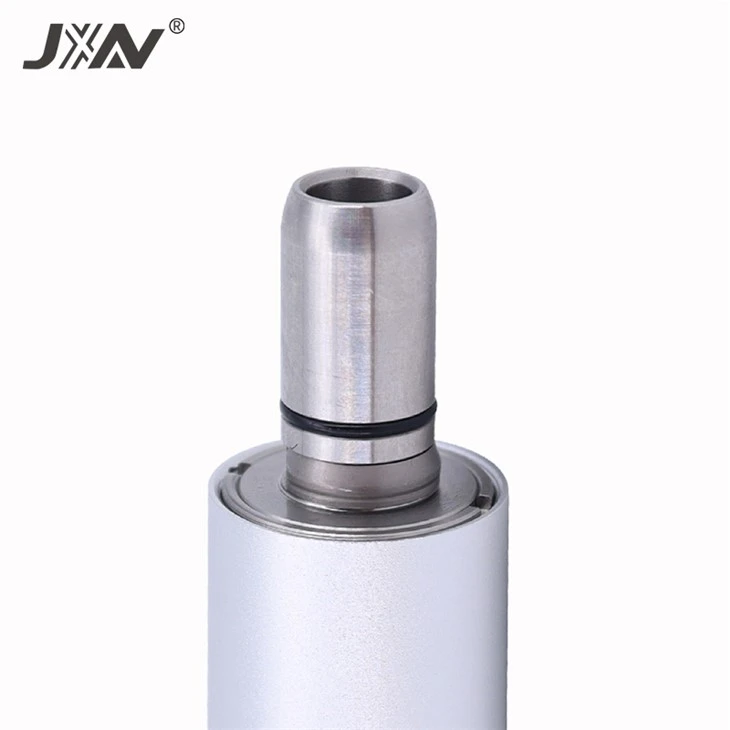
- Polishing: Traditional handpieces are ideal for polishing teeth surfaces, removing stains, and achieving a smooth finish.
- Grinding: They can be used for grinding down teeth during restorative procedures, such as preparing a tooth for a crown or filling.
- Cutting: These handpieces are also capable of cutting through dental materials, such as enamel and dentin.
Benefits:
- Cost-effective: Traditional External Straight Handpieces are generally more affordable than other types, making them a popular choice for dental practices on a budget.
- Low maintenance: They require minimal maintenance and are easy to clean and sterilize, ensuring a long lifespan.
- Versatile: With a wide range of available burs, traditional handpieces can be used for multiple dental procedures, providing flexibility in the dental office.
2. High-Speed External Straight Handpieces
High-Speed External Straight Handpieces are designed for rapid cutting and grinding. They offer higher rotational speeds and greater power compared to traditional handpieces, making them suitable for more demanding dental procedures.
Features:
- High rotational speeds: High-speed handpieces can reach speeds of up to 400,000 RPM, allowing for quick and efficient cutting.
- Advanced cooling systems: To prevent overheating, these handpieces are equipped with advanced cooling systems that deliver a continuous stream of water or air to the cutting area.
- Ergonomic design: High-speed handpieces are often designed with ergonomic features to reduce hand fatigue and improve control during use.
Applications:
- Tooth preparation: High-speed handpieces are commonly used for preparing teeth for crowns, bridges, and other restorations. They can quickly remove large amounts of tooth structure, saving time and improving the accuracy of the procedure.
- Endodontic procedures: These handpieces are also useful in endodontics for accessing the pulp chamber and removing infected tissue.
- Orthodontic adjustments: High-speed handpieces can be used for making adjustments to orthodontic appliances, such as cutting wires and brackets.
Benefits:
- Efficiency: The high rotational speeds of these handpieces allow for faster procedures, reducing patient discomfort and chair time.
- Precision: With greater power and control, high-speed handpieces enable dentists to perform more precise cuts and preparations.
- Enhanced patient experience: By completing procedures more quickly, high-speed handpieces can improve the overall patient experience and reduce anxiety.
3. Low-Speed External Straight Handpieces
Low-Speed External Straight Handpieces are designed for more delicate dental procedures that require slower speeds and greater control. They are commonly used for tasks such as polishing, finishing, and root canal treatment.
Features:
- Variable speed control: Low-speed handpieces offer variable speed settings, allowing dentists to adjust the speed according to the specific procedure.
- Torque control: These handpieces also provide torque control, ensuring a consistent and stable power output during use.
- Quiet operation: Low-speed handpieces are designed to operate quietly, minimizing noise and discomfort for the patient.
Applications:
- Polishing and finishing: Low-speed handpieces are ideal for polishing teeth after restorative procedures, achieving a smooth and shiny surface.
- Root canal treatment: They are used for accessing the root canal system, removing infected tissue, and shaping the canals.
- Pediatric dentistry: Low-speed handpieces are often preferred for pediatric patients due to their gentle operation and reduced noise levels.
Benefits:
- Precision: The slower speeds and greater control of low-speed handpieces allow for more precise and delicate work, reducing the risk of damage to surrounding tissues.
- Patient comfort: The quiet operation and gentle handling of these handpieces can help to reduce patient anxiety and discomfort during procedures.
- Versatility: Low-speed handpieces can be used with a variety of attachments, such as polishing cups, brushes, and burs, making them suitable for multiple dental applications.
4. External Contra Angle Handpieces
External Contra Angle Handpieces are a specialized type of External Straight Handpiece that feature a contra angle attachment. This attachment allows the handpiece to be used at an angle, providing better access to hard-to-reach areas in the mouth.
Features:
- Contra angle design: The contra angle attachment provides a 90-degree angle to the handpiece, allowing for easier access to posterior teeth and other difficult areas.
- High torque: External Contra Angle Handpieces are designed to provide high torque, ensuring efficient cutting and grinding even in tight spaces.
- Sterilizable: These handpieces are typically made of materials that can be easily sterilized, ensuring a hygienic working environment.
Applications:
- Restorative dentistry: External Contra Angle Handpieces are commonly used for preparing teeth for fillings, crowns, and bridges in the posterior regions of the mouth.
- Periodontal procedures: They can also be used for scaling and root planing, as well as for removing calculus and plaque from the teeth.
- Endodontic access: These handpieces are useful for accessing the pulp chamber in posterior teeth during endodontic treatment.
Benefits:
- Improved access: The contra angle design of these handpieces allows for better visibility and access to areas that are difficult to reach with a straight handpiece.
- Enhanced efficiency: The high torque and precision of External Contra Angle Handpieces enable dentists to perform procedures more quickly and effectively.
- Patient comfort: By providing better access and reducing the need for excessive mouth opening, these handpieces can improve patient comfort during procedures.
You can learn more about External Contra Angle Handpiece on our website.
5. FX Type External Air Motor Handpieces
FX Type External Air Motor Handpieces are a modern and advanced type of External Straight Handpiece. They are known for their high performance, reliability, and innovative features.
Features:
- Advanced air motor technology: FX Type handpieces are equipped with advanced air motors that provide smooth and efficient operation.
- Lightweight design: These handpieces are designed to be lightweight, reducing hand fatigue and improving control during use.
- Quick-change chuck: The quick-change chuck allows for easy and rapid bur changes, saving time during procedures.
Applications:
- General dentistry: FX Type External Air Motor Handpieces can be used for a wide range of general dental procedures, including polishing, grinding, and cutting.
- Specialty dentistry: They are also suitable for specialty procedures, such as implant dentistry and oral surgery.
Benefits:
- High performance: The advanced air motor technology of these handpieces ensures consistent power and performance, resulting in better treatment outcomes.
- User-friendly: The lightweight design and quick-change chuck make these handpieces easy to use and handle, increasing efficiency in the dental office.
- Durability: FX Type handpieces are built to last, with high-quality materials and components that can withstand the rigors of daily use.
For more information on FX Type External Air Motor, please visit our website.
6. Comparison with Internal Contra Angle Handpieces
While External Straight Handpieces offer many advantages, it's important to note the differences between them and Internal Contra Angle Handpieces. Internal Contra Angle Handpieces are designed to be inserted into the tooth, providing direct access to the pulp chamber and root canals.
Differences:
- Accessibility: External Straight Handpieces provide external access to the teeth, while Internal Contra Angle Handpieces are used for internal access.
- Procedure type: External handpieces are more commonly used for general dental procedures, such as polishing and grinding, while internal handpieces are primarily used for endodontic treatment.
- Design: External Straight Handpieces have a straight design, while Internal Contra Angle Handpieces have a contra angle design that allows for better access to the root canals.
You can find more details about Internal Contra Angle Handpiece on our website.
Conclusion
In conclusion, there are several different types of External Straight Handpieces available, each with its own unique features, applications, and benefits. As a supplier, I understand the importance of providing high-quality handpieces that meet the diverse needs of dental professionals. Whether you're looking for a traditional handpiece for general procedures, a high-speed handpiece for rapid cutting, or a specialized handpiece for a specific application, we have the right solution for you.
If you're interested in learning more about our External Straight Handpieces or would like to discuss your specific requirements, please don't hesitate to contact us. We're here to help you find the best handpieces for your dental practice and provide you with the support and service you deserve.
References
- Dental Handpiece Technology: Principles and Practice.
- Textbook of Operative Dentistry.
- Journal of Dental Research.