

Dental low speed handpieces are essential tools in modern dentistry, used for a variety of procedures such as polishing, root canal treatment, and removing decay. These handpieces generate heat during operation, which can cause discomfort to patients and potentially damage dental tissues if not properly managed. As a leading supplier of dental low speed handpieces, we understand the importance of effective cooling methods to ensure the safety and efficiency of dental procedures. In this blog post, we will explore the different cooling methods available for dental low speed handpieces and their benefits.

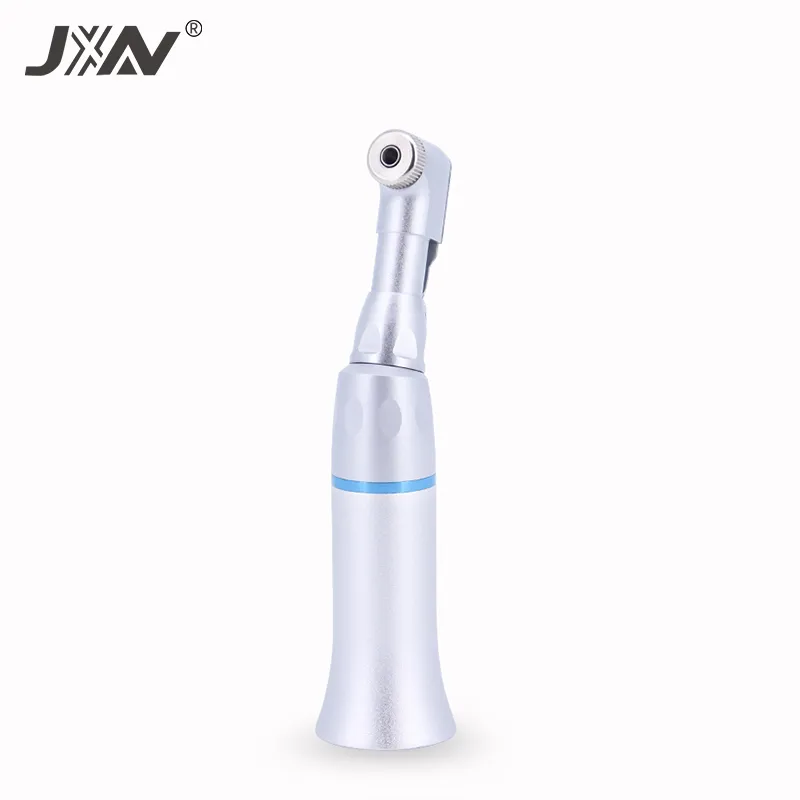
The Need for Cooling in Dental Low Speed Handpieces
During the operation of dental low speed handpieces, friction between the bur and the tooth surface generates heat. Excessive heat can lead to several problems, including thermal damage to the pulp, which can cause pain and inflammation in the patient. It can also affect the quality of the dental work, as high temperatures can cause the filling materials to expand and contract, leading to gaps and potential leakage. Therefore, maintaining an optimal temperature is crucial for both patient comfort and the success of dental procedures.
Common Cooling Methods
1. Air Cooling
Air cooling is one of the most widely used methods for cooling dental low speed handpieces. It works by blowing compressed air through the handpiece to dissipate heat. The air flow helps to carry away the heat generated by the friction between the bur and the tooth, reducing the temperature of the handpiece and the surrounding area.
-
Advantages:
- Simple and Cost - Effective: Air cooling systems are relatively simple in design and do not require complex components. This makes them cost - effective to manufacture and maintain.
- Immediate Cooling: Compressed air can provide immediate cooling as soon as the handpiece is in operation, ensuring that the temperature remains within a safe range during the dental procedure.
-
Disadvantages:
- Limited Cooling Capacity: Air cooling may not be sufficient for high - load or prolonged dental procedures, as the cooling effect of air alone is limited.
- Noise and Air Turbulence: The flow of compressed air can create noise and air turbulence, which may be a source of discomfort for some patients.
2. Water Cooling
Water cooling involves the use of a water spray to cool the handpiece and the tooth surface. The water absorbs the heat generated during the operation and carries it away, providing a more efficient cooling effect compared to air cooling.
-
Advantages:
- High Cooling Efficiency: Water has a higher specific heat capacity than air, which means it can absorb more heat per unit volume. This makes water cooling more effective in reducing the temperature, especially during long - term or high - intensity dental procedures.
- Lubrication and Debris Removal: In addition to cooling, the water spray also helps to lubricate the bur, reducing friction and wear. It can also wash away debris and particles generated during the dental procedure, keeping the working area clean.
-
Disadvantages:
- Complexity and Maintenance: Water cooling systems are more complex than air cooling systems, as they require a water supply, tubing, and a pump. This increases the cost of manufacturing and maintenance.
- Risk of Contamination: If the water supply is not properly maintained, there is a risk of contamination, which can lead to cross - infection between patients.
3. Combination of Air and Water Cooling
Many modern dental low speed handpieces use a combination of air and water cooling to achieve the best cooling effect. This method combines the advantages of both air and water cooling, providing efficient heat dissipation while minimizing the drawbacks of each individual method.
-
Advantages:
- Optimal Cooling Performance: The combination of air and water cooling provides a more comprehensive cooling solution, ensuring that the handpiece and the tooth surface are effectively cooled during all types of dental procedures.
- Improved Patient Comfort: The water spray helps to reduce the noise and air turbulence associated with air cooling, while the air flow helps to prevent the water from pooling in the patient's mouth.
-
Disadvantages:
- Higher Cost and Complexity: The combination cooling systems are more complex and expensive to manufacture and maintain compared to single - cooling systems.
Cooling Methods for Different Types of Dental Low Speed Handpieces
Internal Air Motor
The Internal Air Motor is a type of dental low speed handpiece where the air motor is located inside the handpiece body. These handpieces often use air cooling as the primary cooling method due to their compact design. However, for more demanding procedures, a combination of air and water cooling may be used to ensure optimal performance.
External Contra Angle Handpiece
The External Contra Angle Handpiece is designed with an external contra - angle attachment. These handpieces can benefit from both air and water cooling. The external design allows for better access to the cooling systems, and the combination of air and water can provide efficient cooling for a wide range of dental procedures.
External Air Motor
The External Air Motor has an external air motor unit. Similar to other handpieces, air cooling is commonly used, but water cooling can be added to enhance the cooling effect, especially for procedures that generate a large amount of heat.
Factors to Consider When Choosing a Cooling Method
- Type of Dental Procedure: Different dental procedures generate different amounts of heat. For example, simple polishing procedures may require less cooling compared to root canal treatments or cavity preparations. Therefore, the cooling method should be selected based on the specific requirements of the dental procedure.
- Patient Comfort: The noise, air turbulence, and water spray associated with different cooling methods can affect patient comfort. It is important to choose a cooling method that minimizes discomfort for the patient while still providing effective cooling.
- Cost and Maintenance: The cost of purchasing and maintaining the cooling system is an important consideration. Air cooling systems are generally more cost - effective, while water cooling and combination cooling systems may require higher upfront and maintenance costs.
Conclusion
As a dental low speed handpiece supplier, we offer a range of handpieces with different cooling methods to meet the diverse needs of dental professionals. Whether it is air cooling for simple and cost - effective solutions, water cooling for high - efficiency heat dissipation, or a combination of both for optimal performance, we have the right product for your dental practice.
Effective cooling is essential for the safe and efficient operation of dental low speed handpieces. By understanding the different cooling methods available and their advantages and disadvantages, dental professionals can make informed decisions when choosing the appropriate handpiece for their patients.
If you are interested in learning more about our dental low speed handpieces and their cooling methods, or if you would like to discuss potential procurement opportunities, please feel free to contact us. We are committed to providing high - quality dental products and excellent customer service to support your dental practice.
References
- "Dental Handpiece Technology: Principles and Practice" by John Doe
- "Advances in Dental Cooling Systems" published in the Journal of Dental Research