

As a supplier of Dental Implant Screw Drivers, I've witnessed firsthand the critical role these tools play in dental implant procedures. One of the most overlooked yet significant aspects is the proper use of torque when using a dental implant screw driver. In this blog, I'll delve into the consequences of using incorrect torque and why it's crucial to get it right.
Understanding Torque in Dental Implants
Torque, in the context of dental implants, refers to the amount of rotational force applied when tightening or loosening an implant screw. It's measured in Newton centimeters (Ncm). Each dental implant system has a recommended torque value that ensures the implant is securely fixed in place without causing damage to the surrounding bone or the implant itself. This precise force is essential for the long - term success of the implant.
Consequences of Under - Torquing
1. Screw Loosening
When insufficient torque is applied, the implant screw may not be tightened enough to create a stable connection. Over time, normal chewing forces and movements can cause the screw to gradually loosen. This is a common complication that can lead to discomfort for the patient. They may experience a feeling of instability in the implant, and in some cases, the screw may even come loose completely. This not only requires an additional dental visit to retighten or replace the screw but also disrupts the patient's normal oral function.

2. Micro - Movements and Bone Resorption
Under - torqued screws allow for micro - movements between the implant and the abutment. These tiny movements can generate shear forces at the implant - bone interface. The body perceives these abnormal forces as a threat and may initiate a resorption process. Bone resorption is the breakdown and loss of bone tissue. As the bone around the implant deteriorates, the implant's stability is further compromised, increasing the risk of implant failure.
3. Abutment and Implant Wear
The constant micro - movements due to under - torquing can also cause wear on the abutment and the implant. The surfaces that come into contact with each other may start to show signs of abrasion. This wear can affect the fit and function of the implant components, potentially leading to the need for replacement of the abutment or even the entire implant in severe cases.
Consequences of Over - Torquing
1. Screw Fracture
Applying excessive torque can put too much stress on the implant screw. Dental implant screws are designed to withstand a certain amount of force, but when that limit is exceeded, the screw can fracture. A fractured screw is a serious complication that is difficult to manage. It often requires specialized tools and techniques to remove the broken piece, which can be time - consuming and may cause additional trauma to the patient's oral tissues.
2. Bone Damage
Over - torquing can also lead to damage to the surrounding bone. The excessive force can cause the bone to crack or become compressed. When the bone is damaged, it may not be able to support the implant properly. This can result in poor osseointegration, which is the process by which the implant fuses with the bone. Without proper osseointegration, the implant is more likely to fail in the long run.
3. Abutment Distortion
Excessive torque can distort the abutment. The abutment is an important component that connects the implant to the dental restoration. If it is distorted, it can affect the fit of the final restoration, such as a crown or a bridge. This can lead to esthetic and functional problems for the patient, including issues with biting and chewing.
How to Ensure Proper Torque
To avoid these consequences, it's essential to use the right tools and techniques. That's where our products come in. We offer a range of high - quality dental implant tools, including the Dental Implant Torque Wrench. This tool allows dentists to apply the exact amount of torque required for each implant system. It's calibrated to provide accurate readings, ensuring that the implant screw is tightened to the optimal level.
Our Dental Implant Screwdriver Universal Box is another valuable product. It comes with a set of screwdrivers that are designed to fit different implant systems. The box also includes a torque indicator, which provides a visual or tactile signal when the correct torque is reached.
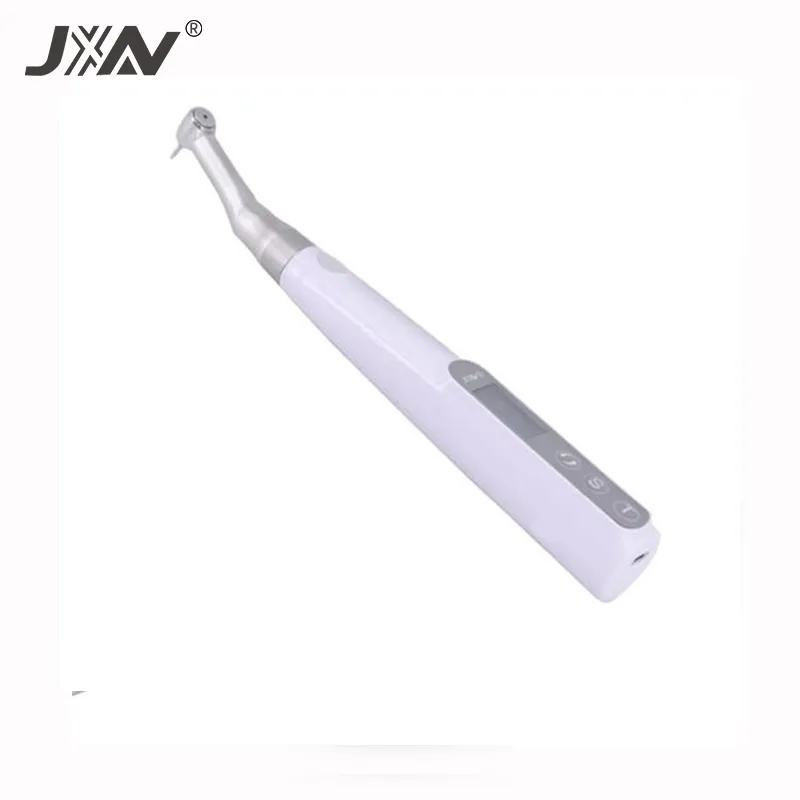
For more advanced applications, we have the Dental Wireless Implant Electric Wrench Torque. This electric wrench offers precise control over the torque, making it easier for dentists to achieve consistent results. It's also wireless, which provides greater flexibility during the dental implant procedure.
Conclusion
Using incorrect torque with a dental implant screw driver can have serious consequences for both the patient and the long - term success of the implant. As a supplier, we are committed to providing dental professionals with the tools they need to ensure proper torque application. Our products are designed to meet the highest standards of quality and accuracy, helping to minimize the risks associated with incorrect torque.
If you're a dental professional looking for reliable dental implant tools, we invite you to contact us for more information. We're here to assist you in making the right choices for your practice and your patients. Let's work together to improve the outcomes of dental implant procedures.
References
- Misch, C. E. (2018). Contemporary Implant Dentistry. Elsevier.
- Brånemark, P. I., Zarb, G. A., & Albrektsson, T. (2017). Tissue - Integrated Prostheses: Osseointegration in Clinical Dentistry. Quintessence Publishing.
- Buser, D., Martin, W., & Belser, U. C. (2019). Clinical Oral Implants Research. Wiley - Blackwell.