

As a supplier of dental low-speed handpieces, I'm often asked about the various accessories available for these essential dental tools. Dental low-speed handpieces are used in a wide range of dental procedures, from routine cleanings to more complex restorative work. The right accessories can enhance the functionality, efficiency, and versatility of these handpieces, making them indispensable in the dental practice. In this blog post, I'll explore the different types of accessories that are available for dental low-speed handpieces and how they can benefit your practice.
Contra Angle Attachments
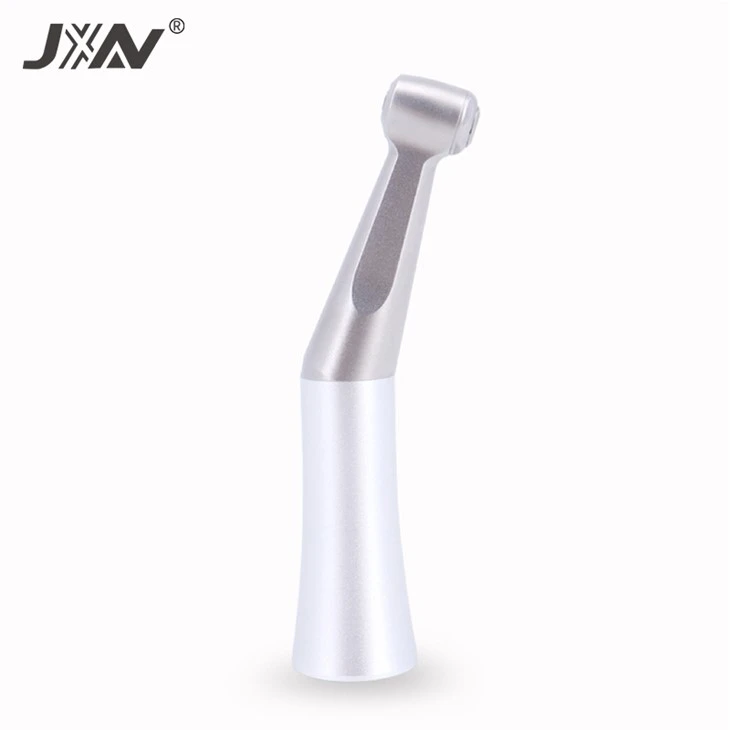
Contra angle attachments are one of the most common accessories for dental low-speed handpieces. These attachments allow the handpiece to be used at a variety of angles, making it easier to access hard-to-reach areas in the mouth. There are two main types of contra angle attachments: internal and external.
- Internal Contra Angle Attachments: These attachments are designed to fit inside the handpiece, providing a more compact and streamlined design. They are typically used for procedures that require a high degree of precision, such as cavity preparation and restorative work. Internal contra angle attachments are available in a variety of angles, including 90 degrees, 60 degrees, and 45 degrees, to suit different clinical needs.
- External Contra Angle Attachments: External contra angle attachments are attached to the outside of the handpiece, offering greater flexibility and ease of use. They are often used for procedures that require a wider range of motion, such as polishing and finishing. The FX Type External Contra Angle Handpiece is a popular choice among dental professionals due to its high-quality construction and ergonomic design.
Air Motors
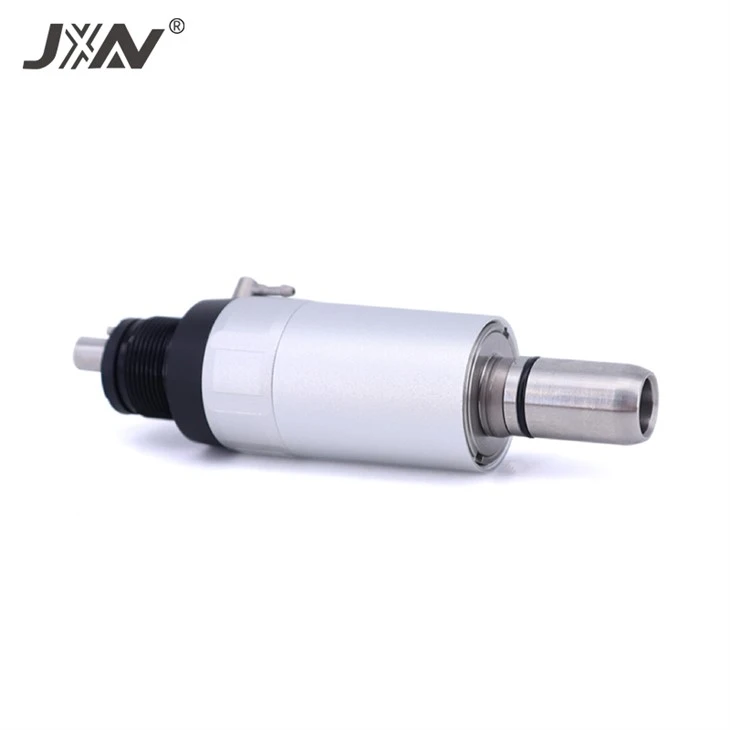
Air motors are another important accessory for dental low-speed handpieces. These motors provide the power needed to rotate the handpiece at a consistent speed, ensuring smooth and efficient operation. There are two main types of air motors: internal and external.
- Internal Air Motors: Internal air motors are built into the handpiece, providing a more compact and integrated design. They are typically used for procedures that require a high degree of precision, such as cavity preparation and restorative work. Internal air motors are available in a variety of speeds, ranging from 10,000 to 40,000 revolutions per minute (RPM), to suit different clinical needs. The Internal Air Motor is a reliable and efficient option for dental professionals who require a high-performance air motor.
- External Air Motors: External air motors are attached to the outside of the handpiece, offering greater flexibility and ease of use. They are often used for procedures that require a wider range of motion, such as polishing and finishing. External air motors are available in a variety of speeds, ranging from 10,000 to 60,000 RPM, to suit different clinical needs. The FX Type External Air Motor is a popular choice among dental professionals due to its high-quality construction and powerful performance.
Chuck Systems
Chuck systems are used to hold the dental burs in place inside the handpiece. There are two main types of chuck systems: friction grip and key chuck.
- Friction Grip Chuck Systems: Friction grip chuck systems use a spring-loaded mechanism to hold the dental bur in place. They are easy to use and require no additional tools for installation or removal. Friction grip chuck systems are typically used for procedures that require a high degree of precision, such as cavity preparation and restorative work.
- Key Chuck Systems: Key chuck systems use a key to tighten and loosen the chuck, providing a more secure hold on the dental bur. They are often used for procedures that require a high degree of torque, such as polishing and finishing. Key chuck systems are available in a variety of sizes, to suit different dental burs.
Water Spray Systems
Water spray systems are used to cool the dental bur and the tooth surface during procedures, reducing heat and friction and preventing damage to the tooth. There are two main types of water spray systems: internal and external.
- Internal Water Spray Systems: Internal water spray systems are built into the handpiece, providing a more compact and integrated design. They are typically used for procedures that require a high degree of precision, such as cavity preparation and restorative work. Internal water spray systems are available in a variety of flow rates, to suit different clinical needs.
- External Water Spray Systems: External water spray systems are attached to the outside of the handpiece, offering greater flexibility and ease of use. They are often used for procedures that require a wider range of motion, such as polishing and finishing. External water spray systems are available in a variety of flow rates, to suit different clinical needs.
Lubrication Systems
Lubrication systems are used to keep the handpiece running smoothly and prevent wear and tear on the moving parts. There are two main types of lubrication systems: manual and automatic.
- Manual Lubrication Systems: Manual lubrication systems require the user to apply lubricant to the handpiece at regular intervals. They are easy to use and require no additional equipment. Manual lubrication systems are typically used for procedures that require a high degree of precision, such as cavity preparation and restorative work.
- Automatic Lubrication Systems: Automatic lubrication systems are built into the handpiece or the air supply system, providing continuous lubrication to the moving parts. They are more convenient and efficient than manual lubrication systems, but they require additional equipment and maintenance. Automatic lubrication systems are often used for procedures that require a high volume of use, such as dental clinics and hospitals.
Conclusion
In conclusion, there are a wide variety of accessories available for dental low-speed handpieces, each designed to enhance the functionality, efficiency, and versatility of these essential dental tools. Whether you're looking for a contra angle attachment, an air motor, a chuck system, a water spray system, or a lubrication system, there's an accessory out there that can meet your needs. As a supplier of dental low-speed handpieces, I'm committed to providing high-quality products and excellent customer service. If you're interested in learning more about our products or would like to discuss your specific requirements, please don't hesitate to contact us. We look forward to working with you to find the perfect accessories for your dental practice.
References
- Dental Handpieces: Principles and Practice, by John A. Powers and Richard W. Phillips
- Textbook of Operative Dentistry, by Stephen P. Harty and John A. Croll
- Dental Materials: Properties and Manipulation, by John M. Powers and William R. Wataha