

Swelling is a common concern among patients who have undergone dental implant procedures. As a provider of high - quality dental implant series, I've encountered numerous inquiries from both dental professionals and patients about the normality of swelling post - dental implant placement. In this blog, we'll explore the factors contributing to swelling, whether it's normal, and how to manage it effectively.
Understanding Dental Implants
Before delving into the topic of swelling, it's essential to understand what dental implants are. Dental implants are artificial tooth roots made of titanium or other biocompatible materials. They are surgically placed into the jawbone to support a replacement tooth or bridge. The process involves several steps, including the initial implant placement, a healing period, and the attachment of the prosthetic tooth.
Our dental implant series offers a comprehensive range of products to support every stage of the dental implant process. For instance, the Dental Lmplant Screw Driver is a precision - engineered tool that ensures accurate and efficient implant placement. The Dental Wireless Implant Electric Wrench Torque provides consistent torque control, which is crucial for the long - term success of the implant. And the Dental Implant Screwdriver Universal Box keeps all the necessary tools organized and easily accessible.
Is Swelling Normal After Dental Implant Placement?
In most cases, swelling after getting a dental implant is a normal part of the body's healing process. When the implant is placed, the surrounding tissues, including the gums and bone, are traumatized. The body responds to this trauma by initiating an inflammatory response. This response is characterized by increased blood flow to the area, which brings immune cells to help with healing, but it also causes fluid to accumulate in the tissues, resulting in swelling.
The degree of swelling can vary from person to person. Factors such as the complexity of the implant procedure, the patient's overall health, and their individual healing ability can all influence the amount of swelling. For example, a single - tooth implant may cause less swelling compared to a multiple - tooth implant or an implant placed in a more complex anatomical location.
Stages of Swelling
Swelling typically follows a predictable pattern. Immediately after the implant surgery, there may be minimal swelling. However, it usually starts to become more noticeable within the first 24 - 48 hours. This is when the inflammatory response is at its peak. After that, the swelling should gradually start to subside. By the third to fifth day, significant improvement is usually seen, and by the end of the first week, most of the swelling should have resolved.
Factors Affecting Swelling
- Surgical Technique: A skilled dentist or oral surgeon who uses minimally invasive techniques can reduce the amount of tissue trauma during the implant placement, thereby minimizing swelling. Our dental implant series is designed to support such techniques, allowing for more precise and less invasive procedures.
- Patient's Health: Patients with certain medical conditions, such as diabetes or autoimmune disorders, may experience more swelling or have a slower healing process. Additionally, smokers are at a higher risk of complications, including increased swelling, as smoking can impair blood flow and the body's ability to heal.
- Anatomical Location: Implants placed in areas with less soft tissue coverage, such as the lower front teeth, may cause more visible swelling compared to those in areas with more soft tissue padding.
Managing Swelling
- Cold Compresses: Applying cold compresses to the outside of the face in the area of the implant can help reduce swelling. This should be done in the first 24 - 48 hours after surgery, for about 15 - 20 minutes at a time, with breaks in between.
- Elevation: Keeping the head elevated, especially while sleeping, can also help reduce swelling. Using an extra pillow or sleeping in a reclined position can promote better fluid drainage from the head and neck area.
- Medication: Over - the - counter pain relievers, such as ibuprofen, can help reduce both pain and swelling. In some cases, the dentist may prescribe stronger medications if the swelling and pain are severe.
When to Be Concerned
While swelling is usually normal, there are some situations where it may indicate a problem. If the swelling continues to worsen after the first 48 hours, if there is excessive pain that is not relieved by medication, if there is pus or a foul - smelling discharge from the implant site, or if there is a fever, these could be signs of an infection or other complication. In such cases, it's important to contact the dentist or oral surgeon immediately.
Our Commitment as a Dental Implant Series Supplier
As a supplier of dental implant series, we understand the importance of providing high - quality products that support successful implant procedures. Our products are designed to minimize tissue trauma, enhance precision, and contribute to a smooth healing process. We also offer comprehensive training and support to dental professionals to ensure they can use our products effectively.

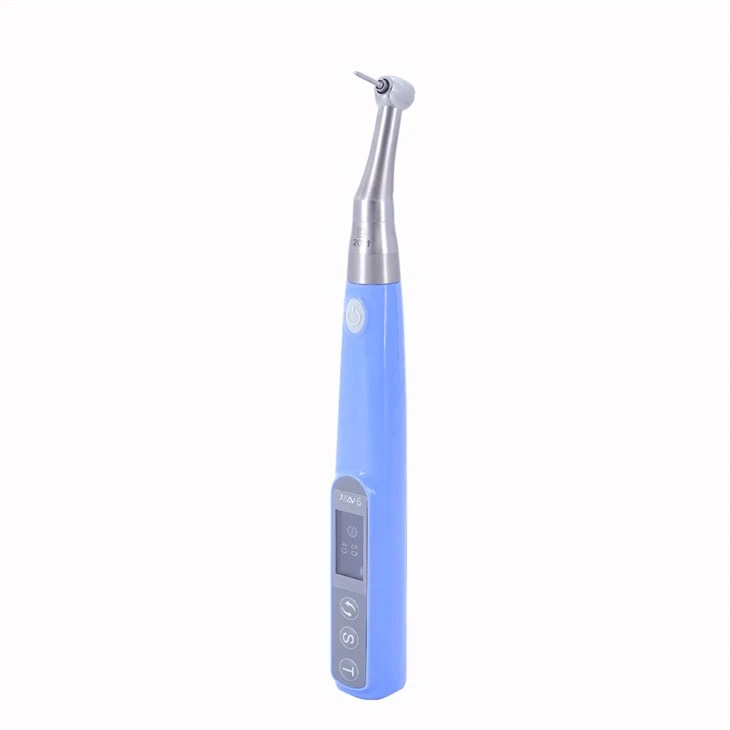
If you're a dental professional looking for reliable dental implant series products, or if you're a patient interested in learning more about dental implants, we're here to help. Our team of experts can provide you with detailed information about our products and how they can benefit your practice or your dental health. We encourage you to reach out to us for more information and to start a discussion about your procurement needs. Whether you're looking for the Dental Lmplant Screw Driver, the Dental Wireless Implant Electric Wrench Torque, or the Dental Implant Screwdriver Universal Box, we have the solutions you need.
Conclusion
In conclusion, swelling after getting a dental implant is generally a normal part of the healing process. Understanding the factors that contribute to swelling, the stages it goes through, and how to manage it can help patients have a more comfortable recovery. As a dental implant series supplier, we're dedicated to providing the best products and support to ensure successful dental implant procedures. If you have any questions or are interested in our products, don't hesitate to contact us for a procurement discussion.
References
- Misch, C. E. (2016). Contemporary Implant Dentistry. Quintessence Publishing.
- Linkow, L. I. (1989). Dental Implants: Principles and Practice. WB Saunders.
- American Academy of Implant Dentistry. (2023). Patient Education Materials. Retrieved from the official website of the American Academy of Implant Dentistry.