

When it comes to dental hygiene procedures, the selection of appropriate tools is crucial. One such tool that has gained significant attention is the dental ratio handpiece. In this blog, as a dental ratio handpiece supplier, I will delve into whether a dental ratio handpiece is suitable for dental hygiene procedures, exploring its features, advantages, limitations, and practical applications.
Understanding Dental Ratio Handpieces
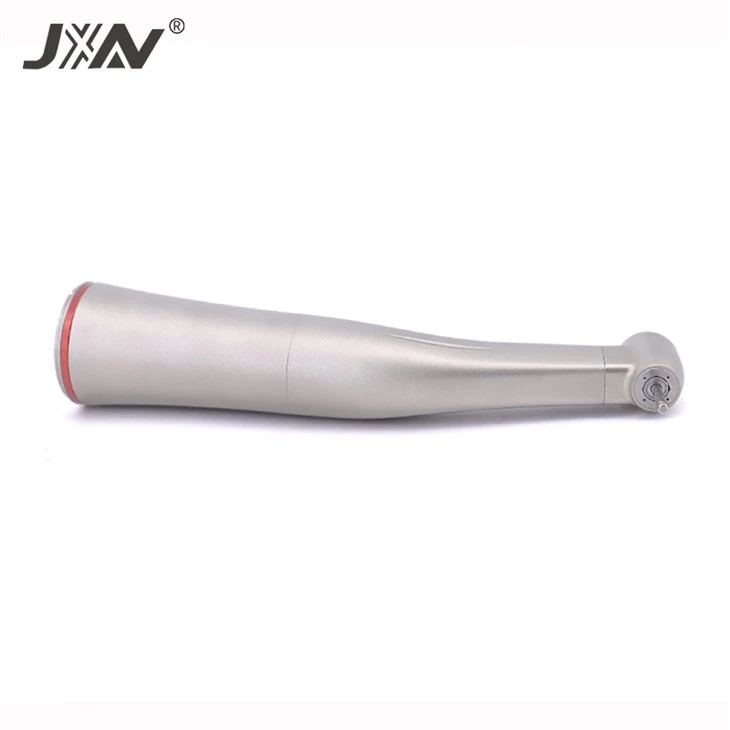
Dental ratio handpieces are specialized instruments used in dentistry. They come in various ratios, which determine the speed and torque of the handpiece. For instance, a 1:1 handpiece means that the output speed of the handpiece is the same as the input speed from the motor. Higher ratios, like 1:5, provide increased speed and torque output relative to the input. There are also different types of dental ratio handpieces, including 1:1 Fiber Optic LED Contra Angle Handpiece, 1:5 Increasing Contra Angle Handpiece, and 1:1 Contra Angle Handpiece.
These handpieces are typically used in combination with various dental burs and accessories. The design of contra - angle handpieces allows for easy access to different areas of the oral cavity, such as the posterior teeth where straight handpieces may have limited reach. The fiber - optic LED feature in some handpieces provides excellent illumination, enhancing the visibility of the working area during dental procedures.
Advantages of Using Dental Ratio Handpieces in Dental Hygiene Procedures
Precision and Control
One of the key advantages of dental ratio handpieces is the high level of precision and control they offer. In dental hygiene, tasks like calculus removal, plaque removal, and tooth surface polishing require delicate and accurate movements. A dental ratio handpiece, with its ability to regulate speed and torque, allows the dental hygienist to perform these tasks precisely. For example, when removing calculus, the hygienist can adjust the speed of the handpiece according to the hardness and location of the calculus deposit. The controlled movements reduce the risk of damage to the tooth enamel and the surrounding soft tissues.
Efficiency
Dental ratio handpieces can significantly improve the efficiency of dental hygiene procedures. The increased speed and torque provided by higher - ratio handpieces enable quicker removal of large amounts of calculus and debris. This not only reduces the time required for each patient's hygiene appointment but also allows the dental office to accommodate more patients in a day. For instance, a 1:5 increasing contra - angle handpiece can remove stubborn calculus much faster than traditional hand - scaling instruments.

Accessibility
The design of dental ratio handpieces, especially contra - angle handpieces, provides better access to difficult - to - reach areas in the mouth. In dental hygiene, posterior teeth and areas around dental restorations can be challenging to clean thoroughly. The angled design of the handpiece allows the dental hygienist to reach these areas with ease. This ensures that all surfaces of the teeth are properly cleaned, reducing the risk of dental caries and periodontal diseases.
Illumination
Handpieces with fiber - optic LED technology offer excellent illumination of the working area. In dental hygiene, clear visibility is essential for accurately identifying calculus, plaque, and other debris. The bright light provided by the LED allows the dental hygienist to detect even the smallest deposits and perform a more thorough cleaning. This feature is particularly useful in areas with limited natural light, such as the back of the mouth.
Limitations and Considerations
Learning Curve
Using a dental ratio handpiece requires a certain level of skill and training. Dental hygienists need to become familiar with the operation of the handpiece, including adjusting the speed, torque, and the movement patterns. There is a learning curve involved in mastering the use of these handpieces to ensure both patient safety and the effectiveness of the procedures. Some dental professionals may find it challenging to transition from traditional hand - scaling instruments to handpieces.
Cost
Dental ratio handpieces are generally more expensive than traditional hand - scaling tools. The initial investment in purchasing the handpiece, along with the cost of its maintenance and replacement parts, can be a significant consideration for dental practices. Additionally, some dental insurance plans may not fully cover the cost of using these advanced handpieces, which could potentially limit their use in some settings.
Risk of Over - instrumentation
If not used properly, dental ratio handpieces can cause over - instrumentation, leading to damage to the tooth structure. The high speed and torque of the handpiece can remove too much tooth enamel or cause micro - fractures in the tooth. Dental hygienists need to be extremely cautious when using these handpieces and ensure that they are using the appropriate settings for each patient's dental condition.
Practical Applications in Dental Hygiene
Calculus Removal
Calculus removal is one of the primary tasks in dental hygiene. Dental ratio handpieces can be effectively used to remove both supra - gingival and sub - gingival calculus. The high - speed and torque capabilities of the handpiece allow for quick and efficient removal of calculus deposits. For supra - gingival calculus, a handpiece with an appropriate ratio can be used to quickly break up and remove the hard deposits. For sub - gingival calculus, the precision of the handpiece can be adjusted to gently remove the deposits without causing damage to the periodontal tissues.
Plaque Removal
Plaque is a major contributor to dental caries and periodontal diseases. Dental ratio handpieces can be used in combination with various polishing burs to remove plaque from the tooth surface. The rotating motion of the bur helps to dislodge the plaque, and the smooth surfaces of the burs can also help to polish the tooth, making it more resistant to future plaque accumulation.
Tooth Surface Polishing
After calculus and plaque removal, tooth surface polishing is an important part of the dental hygiene process. Dental ratio handpieces can be equipped with polishing cups or brushes to achieve a smooth and polished tooth surface. This not only improves the aesthetic appearance of the teeth but also helps to remove any remaining stains and makes it more difficult for new plaque to adhere to the teeth.
Conclusion
In conclusion, dental ratio handpieces are generally suitable for dental hygiene procedures, offering significant advantages such as precision, efficiency, accessibility, and illumination. However, they also come with limitations and considerations, including a learning curve, cost, and the risk of over - instrumentation. Dental practices need to weigh these factors when deciding whether to incorporate dental ratio handpieces into their hygiene procedures.
If you are interested in exploring the benefits of dental ratio handpieces for your dental practice, I invite you to contact us for further discussion and potential procurement. We can provide detailed information about our products, including the 1:1 Fiber Optic LED Contra Angle Handpiece, 1:5 Increasing Contra Angle Handpiece, and 1:1 Contra Angle Handpiece. We are committed to providing high - quality handpieces and excellent customer service to meet your dental needs.
References
- Hatton, F. V. (2016). A review of the use of powered scalers in periodontal therapy. Journal of Clinical Periodontology, 43(S18), S163 - S171.
- American Dental Hygienists' Association. (2020). Guidelines for infection control in dental settings.
- Narayanan, K. R., & Heasman, L. (2007). Operative Dentistry. Edinburgh: Churchill Livingstone Elsevier.