

Troubleshooting common problems with a dental sandblasting unit is an essential skill for dental professionals and those responsible for maintaining dental equipment. As a supplier of dental sandblasting units, I understand the importance of ensuring these machines operate smoothly. In this blog, I will share some practical tips on how to troubleshoot common issues with dental sandblasting units.
No Sandblasting or Weak Sandblasting Effect
One of the most common problems users encounter is the lack of sandblasting or a weak sandblasting effect. This issue can significantly impact the efficiency and quality of dental procedures.
Check the Sand Supply
The first step is to examine the sand supply. Ensure that there is an adequate amount of sand in the sand container. If the sand level is too low, the sandblasting unit may not be able to draw enough sand for effective blasting. Refill the sand container with the appropriate type of sand recommended for your Aluminium Oxide Sandblasting Unit.

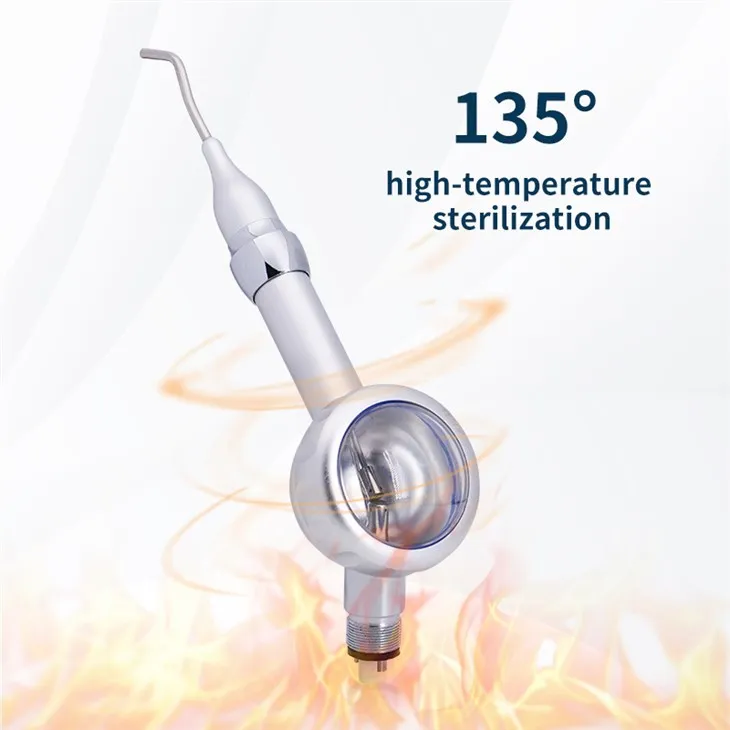
It's also crucial to check for any blockages in the sand delivery tube. Over time, sand particles can accumulate and cause clogs. Disconnect the tube and use compressed air to blow out any debris. If the blockage persists, you may need to replace the tube.
Inspect the Air Supply
A proper air supply is vital for the sandblasting unit to function correctly. Check the air compressor to ensure it is working and providing sufficient pressure. The air pressure should meet the specifications of your dental sandblasting unit. If the pressure is too low, the sand may not be propelled effectively.
Inspect the air hoses for any leaks or damage. A leak in the air hose can result in a loss of pressure, leading to a weak sandblasting effect. Replace any damaged hoses and ensure all connections are tight.
Examine the Nozzle
The nozzle is a critical component of the sandblasting unit. A worn - out or clogged nozzle can cause problems with sandblasting. Inspect the nozzle for signs of wear, such as enlarged openings or rough edges. If the nozzle is damaged, it should be replaced.
To clean a clogged nozzle, soak it in a suitable cleaning solution and use a small brush to remove any debris. Be careful not to damage the nozzle during the cleaning process.
Excessive Sand Consumption
Excessive sand consumption can lead to increased costs and may also indicate an underlying problem with the sandblasting unit.
Check the Sand Flow Control
The sand flow control mechanism regulates the amount of sand that is released during the sandblasting process. If the sand flow control is set too high, it can result in excessive sand consumption. Adjust the sand flow control to the appropriate level according to the dental procedure and the type of sand being used.
Inspect for Leaks in the Sand System
Leaks in the sand system can cause sand to escape, leading to higher consumption. Check all connections in the sand container, delivery tube, and nozzle for any signs of sand leakage. Tighten loose connections and replace any damaged gaskets or seals.
Unstable Sandblasting Operation
An unstable sandblasting operation can make it difficult to perform precise dental procedures.
Vibrations and Noise
Excessive vibrations and noise can indicate a problem with the sandblasting unit's mounting or internal components. Check if the unit is properly mounted and secured. Loose mounting can cause vibrations, which can affect the stability of the sandblasting operation.
If the vibrations and noise persist, it may be a sign of a more serious problem, such as a damaged motor or impeller. In this case, it is recommended to contact a professional technician for further inspection and repair.
Electrical Issues
Electrical problems can also cause unstable sandblasting operation. Check the power supply to ensure it is stable and within the specified voltage range. Inspect the electrical cords for any damage or fraying. If there are any electrical issues, do not attempt to repair them yourself. Instead, contact a qualified electrician or the manufacturer's technical support.
Dust and Debris in the Working Area
Dust and debris generated during the sandblasting process can pose a health hazard to dental staff and patients.
Check the Dust Collection System
The dust collection system is designed to capture and remove dust and debris from the working area. Ensure that the dust collection system is functioning correctly. Check the dust filter to see if it is clogged. A clogged filter can reduce the efficiency of the dust collection system. Replace the filter if necessary.
Proper Ventilation
Proper ventilation is essential to remove dust and debris from the working area. Make sure the dental office has adequate ventilation, such as exhaust fans or air purifiers. This will help to maintain a clean and safe working environment.
Maintenance and Preventive Measures
Regular maintenance is key to preventing common problems with dental sandblasting units.
Cleaning
Clean the sandblasting unit after each use to prevent the accumulation of sand and debris. Use a soft brush and a suitable cleaning solution to clean the exterior and interior components of the unit. Pay special attention to the sand container, delivery tube, and nozzle.
Lubrication
Some components of the sandblasting unit, such as moving parts, may require lubrication. Refer to the manufacturer's instructions for the appropriate lubricant and lubrication schedule. Proper lubrication can extend the lifespan of the unit and prevent premature wear.
Calibration
Periodically calibrate the sandblasting unit to ensure it is operating at the correct settings. This includes checking the air pressure, sand flow control, and other parameters. Calibration can help to maintain the accuracy and efficiency of the sandblasting unit.
Choosing the Right Dental Sandblasting Unit
When purchasing a dental sandblasting unit, it's important to choose a reliable and high - quality product. We offer a range of dental sandblasting units, including the Stainless Steel Air Prophy Unit Sandblasting Machine and the Titanium Alloy Air Prophy Unit Sandblasting Machine. These units are designed with advanced technology and high - quality materials to ensure long - term performance and reliability.
If you are experiencing problems with your current dental sandblasting unit or are looking to purchase a new one, we are here to help. Our team of experts can provide you with professional advice and support. Contact us for more information and to discuss your specific needs. We look forward to working with you to find the best dental sandblasting solution for your practice.
References
- Dental Equipment Maintenance Handbook
- Manufacturer's Manuals for Dental Sandblasting Units