

Reversing the rotation of an external air motor can be a crucial operation in various industrial and dental applications. As a reliable supplier of external air motors, I understand the significance of this process and am here to share some insights on how to achieve it effectively.
Understanding External Air Motors
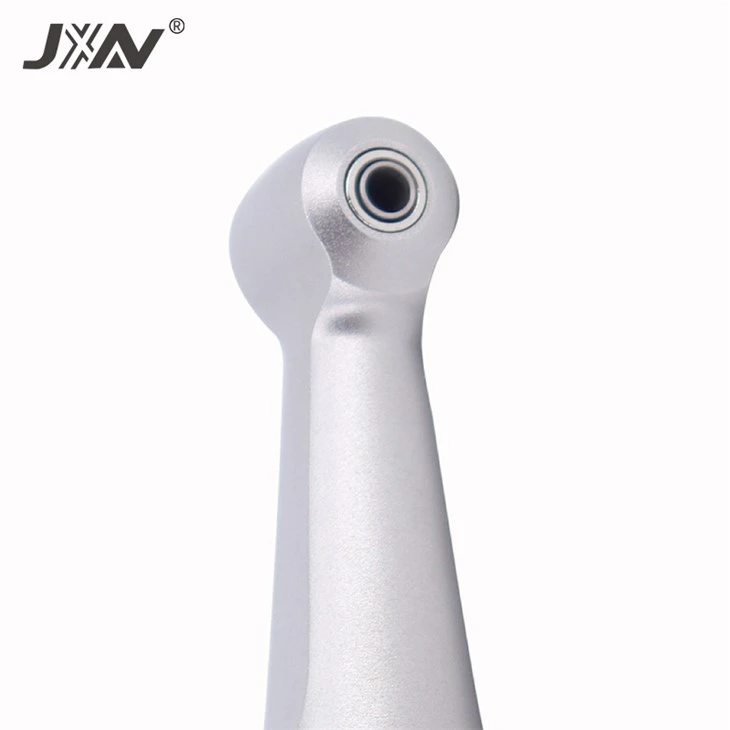
External air motors are widely used due to their simplicity, reliability, and ability to operate in harsh environments. They work on the principle of converting compressed air energy into mechanical energy, which drives the rotation of the motor shaft. These motors are commonly found in dental handpieces, such as the FX Type External Contra Angle Handpiece, Internal Straight Handpiece, and External Straight Handpiece.
Reasons for Reversing the Rotation
There are several reasons why one might need to reverse the rotation of an external air motor. In dental applications, for example, reversing the rotation can be useful for certain procedures, such as removing dental fillings or performing specific dental preparations. In industrial settings, reversing the rotation may be required for tasks like tightening or loosening bolts, or for operating machinery in different directions.
Methods to Reverse the Rotation
1. Air Supply Reversal
One of the most common methods to reverse the rotation of an external air motor is by reversing the air supply. Most external air motors are designed to rotate in one direction when compressed air is supplied through a specific inlet. By changing the direction of the air flow, the motor can be made to rotate in the opposite direction.
To reverse the air supply, you will need to identify the air inlet and outlet ports of the motor. These ports are usually marked on the motor housing. Once you have identified the ports, you can use a valve or a manifold to redirect the compressed air to the appropriate inlet. Some air motors may have a built - in reversing valve that can be easily operated to change the air flow direction.

However, it is important to note that not all air motors can be reversed by simply reversing the air supply. Some motors are designed to rotate in one direction only, and attempting to reverse the air supply may cause damage to the motor. Therefore, before attempting this method, it is essential to check the motor's specifications and user manual.
2. Changing the Motor Design
In some cases, reversing the rotation of an external air motor may require changing the internal design of the motor. This method is more complex and usually requires technical expertise.
Some air motors have a specific arrangement of vanes, pistons, or rotors that determine the direction of rotation. By re - arranging these components, the motor can be made to rotate in the opposite direction. For example, in a vane - type air motor, changing the orientation of the vanes can reverse the rotation.
This method typically involves disassembling the motor, which should only be done by a trained technician. Disassembling the motor incorrectly can lead to loss of parts, improper reassembly, and reduced motor performance. Additionally, modifying the internal design of the motor may void the manufacturer's warranty.
3. Using a Reversing Gearbox
Another option to reverse the rotation of an external air motor is to use a reversing gearbox. A reversing gearbox is a mechanical device that can change the direction of the output shaft relative to the input shaft.
To use a reversing gearbox, the output shaft of the air motor is connected to the input shaft of the gearbox. The gearbox then provides an output shaft that can rotate in the opposite direction of the motor's original rotation. Reversing gearboxes are available in different sizes and configurations, and can be selected based on the torque and speed requirements of the application.
This method is relatively straightforward and does not require any modification to the air motor itself. However, it adds an additional component to the system, which increases the cost and complexity of the setup.
Safety Considerations
When reversing the rotation of an external air motor, it is important to follow safety guidelines. Compressed air can be dangerous if not handled properly. Always ensure that the compressed air supply is turned off before attempting to reverse the motor. Use appropriate safety equipment, such as safety glasses and gloves, when working with compressed air and air motors.
If you are disassembling the motor or using a reversing gearbox, make sure to follow the manufacturer's instructions carefully. Keep all parts organized and clean to avoid any contamination or damage during the process.
Troubleshooting
If you encounter problems when trying to reverse the rotation of an external air motor, here are some troubleshooting tips:
- Check the air supply: Ensure that the compressed air is at the correct pressure and that there are no blockages in the air lines. Low air pressure or blockages can prevent the motor from rotating properly.
- Inspect the motor components: If you have disassembled the motor, make sure that all components are properly reassembled. Check for any damaged or worn - out parts that may be affecting the motor's performance.
- Verify the reversing mechanism: If you are using a valve or a reversing gearbox, check that it is functioning correctly. A faulty reversing mechanism can cause the motor to rotate in the wrong direction or not at all.
Importance of Professional Support
Reversing the rotation of an external air motor can be a complex task, especially if it involves modifying the motor's internal design. As a supplier of external air motors, I recommend seeking professional support if you are unsure about the process. Our team of experts can provide you with detailed technical advice, help you select the appropriate method for reversing the rotation, and assist with any troubleshooting issues.
Conclusion
Reversing the rotation of an external air motor is a useful operation in many applications. Whether you choose to reverse the air supply, change the motor design, or use a reversing gearbox, it is important to understand the motor's specifications and follow the appropriate procedures. Safety should always be a top priority when working with compressed air and air motors.
If you are in the market for external air motors or need assistance with reversing the rotation of your existing motors, we are here to help. Our wide range of products, including the FX Type External Contra Angle Handpiece, Internal Straight Handpiece, and External Straight Handpiece, are designed to meet the highest quality standards. Contact us today to discuss your specific requirements and start a procurement negotiation.
References
- "Air Motors: Principles, Applications, and Maintenance" - A technical handbook on air motors.
- Manufacturer's user manuals for external air motors.