

As a supplier of Internal Contra Angle Handpieces, I understand the importance of protecting these valuable dental instruments from extreme temperatures. Extreme heat or cold can cause significant damage to the delicate components of an Internal Contra Angle Handpiece, leading to reduced performance, increased maintenance costs, and ultimately, a shorter lifespan for the instrument. In this blog post, I will share some practical tips on how to protect an Internal Contra Angle Handpiece from extreme temperatures.
Understanding the Impact of Extreme Temperatures on Internal Contra Angle Handpieces
Before we dive into the protective measures, it's crucial to understand how extreme temperatures can affect an Internal Contra Angle Handpiece.
Effects of Extreme Heat
- Material Expansion: High temperatures can cause the metal and plastic components of the handpiece to expand. This expansion can lead to misalignments in the gears, bearings, and other moving parts, resulting in increased friction and wear. Over time, this can cause the handpiece to lose its precision and efficiency.
- Lubricant Breakdown: The lubricants used in the handpiece are designed to operate within a specific temperature range. Extreme heat can cause these lubricants to break down, losing their ability to reduce friction and protect the internal components. Without proper lubrication, the handpiece can overheat, leading to further damage.
- Electrical Component Damage: If the handpiece has electrical components, such as a motor or a sensor, extreme heat can damage these parts. High temperatures can cause the insulation on the wires to melt, leading to short circuits and malfunctions.
Effects of Extreme Cold
- Material Contraction: Cold temperatures cause the materials in the handpiece to contract. This contraction can make the parts fit too tightly, increasing the stress on the components and potentially causing them to crack or break.
- Lubricant Viscosity Changes: Cold temperatures can also affect the viscosity of the lubricants. When the lubricant becomes too thick, it can impede the movement of the internal parts, reducing the handpiece's performance and causing it to operate sluggishly.
- Condensation: If the handpiece is moved from a cold environment to a warm one, condensation can form inside the instrument. This moisture can cause rust and corrosion, damaging the metal components and potentially affecting the electrical parts.
Protecting Internal Contra Angle Handpieces from Extreme Temperatures
Now that we understand the risks, let's explore some strategies to protect Internal Contra Angle Handpieces from extreme temperatures.
Storage
- Temperature-Controlled Environment: Store the handpieces in a temperature-controlled environment, such as a dental cabinet or a storage room with a stable temperature. The ideal temperature range for storing dental handpieces is between 18°C and 24°C (64°F and 75°F). Avoid storing the handpieces in areas that are exposed to direct sunlight, heaters, or air conditioning vents, as these can cause temperature fluctuations.
- Avoid Extreme Conditions: Do not leave the handpieces in a hot car, in direct sunlight for extended periods, or in a cold garage. These extreme conditions can cause rapid temperature changes, which are particularly damaging to the handpieces.
- Proper Packaging: When transporting the handpieces, use a protective case that provides insulation. Some cases are specifically designed to maintain a stable temperature inside, protecting the handpieces from external temperature variations.
Handling
- Allow for Temperature Adaptation: If the handpiece has been stored in a cold environment, allow it to warm up to room temperature before use. Similarly, if it has been exposed to extreme heat, let it cool down before using it. This gradual temperature change helps prevent damage caused by rapid expansion or contraction.
- Avoid Sudden Temperature Changes: When using the handpiece, try to avoid sudden temperature changes. For example, do not move the handpiece from a cold operating room to a warm sterilization area or vice versa. If you need to move the handpiece between different temperature environments, do it slowly and allow it to adjust to the new temperature gradually.
Maintenance
- Regular Lubrication: Follow the manufacturer's recommendations for lubricating the handpiece. Regular lubrication helps protect the internal components from friction and wear, even in extreme temperature conditions. Use a high-quality lubricant that is suitable for the temperature range in which the handpiece will be used.
- Inspection and Cleaning: Regularly inspect the handpiece for signs of damage, such as cracks, loose parts, or corrosion. Clean the handpiece thoroughly after each use to remove any debris or contaminants that could affect its performance. Pay special attention to the air and water channels, as blockages in these areas can cause the handpiece to overheat.
Comparison with Other Handpieces and Motors
It's also important to note that the strategies for protecting an Internal Contra Angle Handpiece from extreme temperatures can be compared with those for other types of dental handpieces, such as External Contra Angle Handpieces and FX Type External Air Motors.

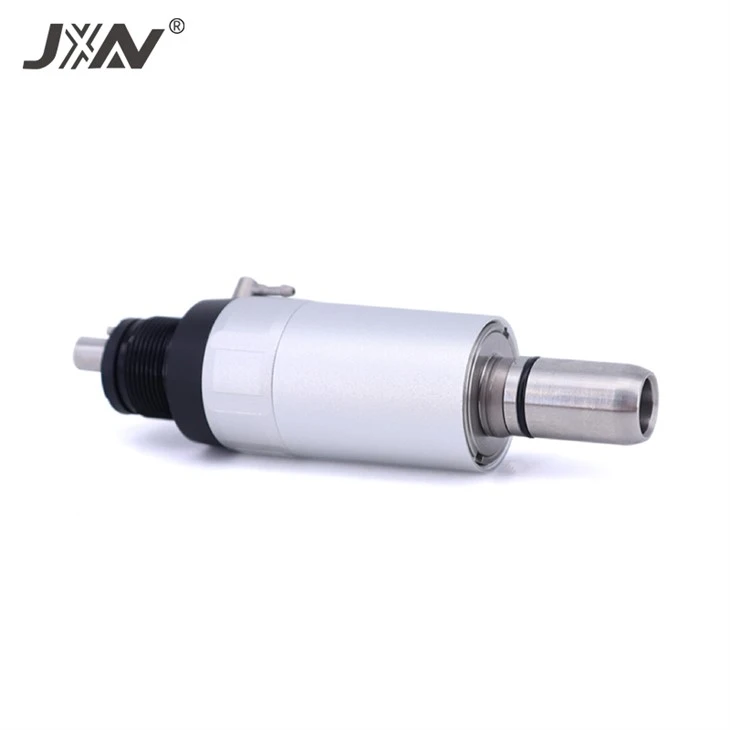
External Contra Angle Handpieces have a different design and may be more exposed to external temperature changes. However, the basic principles of temperature protection, such as storage in a controlled environment and proper lubrication, still apply. FX Type External Air Motors, on the other hand, have their own unique set of components and requirements. These motors are often used in high-speed applications and may be more sensitive to temperature changes due to the increased friction and heat generated during operation. Therefore, it's essential to follow the specific maintenance and temperature protection guidelines provided by the manufacturer for each type of handpiece or motor.
Conclusion
Protecting an Internal Contra Angle Handpiece from extreme temperatures is essential for ensuring its longevity and performance. By following the tips outlined in this blog post, you can minimize the risk of damage caused by extreme heat or cold. Remember to store the handpiece in a temperature-controlled environment, handle it carefully to avoid sudden temperature changes, and perform regular maintenance, including lubrication and inspection.
If you're in the market for high-quality Internal Contra Angle Handpieces or need more information on how to protect them, I invite you to contact us for a purchase consultation. Our team of experts is ready to assist you in finding the right handpieces for your dental practice and providing you with the support and guidance you need to keep them in optimal condition.
References
- Manufacturer's manuals for Internal Contra Angle Handpieces
- Dental industry standards and guidelines for handpiece maintenance and temperature protection
- Research studies on the effects of extreme temperatures on dental instruments