

Hey there! As a supplier of External Straight Handpieces, I've seen my fair share of issues with these nifty dental tools. One of the most common problems is overheating. It's not just a minor annoyance; overheating can seriously affect the performance of the handpiece and even lead to premature wear and tear. So, in this blog, I'm gonna share some tips on how to prevent overheating of an External Straight Handpiece.
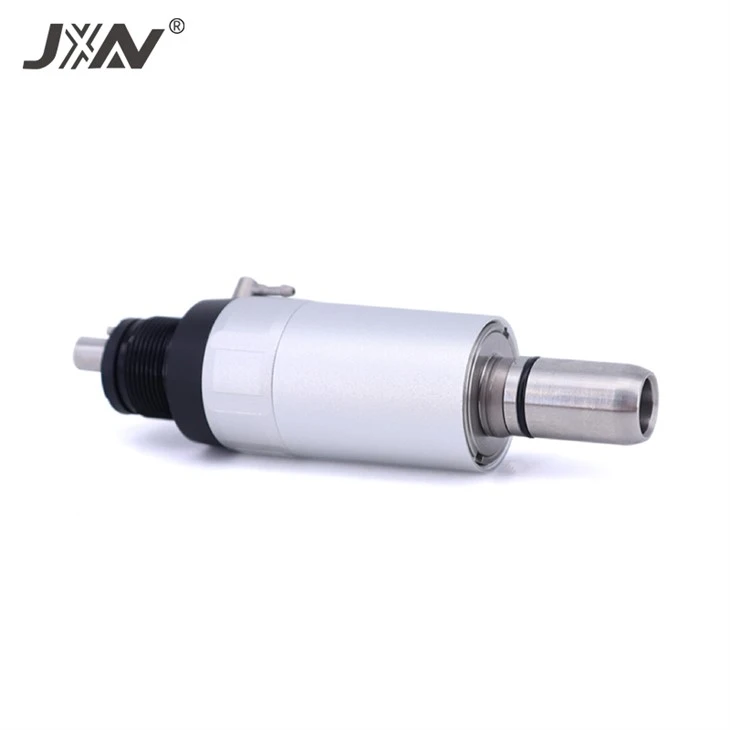

First off, let's understand why these handpieces overheat in the first place. There are a few main reasons. One is friction. When the handpiece is in use, there's a lot of movement and contact between its components. This friction generates heat. Another reason is poor ventilation. If the handpiece doesn't have proper airflow, the heat can't escape, and it builds up inside. Also, using the handpiece for extended periods without breaks can cause it to overheat.
Now, let's get into the prevention methods.
1. Regular Maintenance
Regular maintenance is key to keeping your External Straight Handpiece running cool. Just like you'd take your car in for an oil change, your handpiece needs some TLC too.
- Cleaning: Make sure to clean the handpiece after each use. Debris, such as dental particles and saliva, can accumulate inside the handpiece and block the air passages. This restricts the airflow and causes the handpiece to overheat. Use a recommended cleaning solution and follow the manufacturer's instructions. You can use a small brush to gently clean the exterior and interior parts of the handpiece.
- Lubrication: Lubricating the moving parts of the handpiece reduces friction. Friction is a major cause of heat generation, so by lubricating, you're essentially reducing the heat. Use a high - quality lubricant designed specifically for dental handpieces. Don't over - lubricate, though, as too much lubricant can also cause problems.
2. Proper Usage
How you use the handpiece matters a lot when it comes to preventing overheating.
- Take Breaks: Don't use the handpiece continuously for long periods. Just like you need a break from work, the handpiece needs a break too. If you're working on a long procedure, take short breaks every 10 - 15 minutes. This allows the handpiece to cool down.
- Use the Right Speed and Pressure: Using the handpiece at the correct speed and pressure is crucial. If you set the speed too high or apply too much pressure, it can cause the handpiece to work harder and generate more heat. Refer to the user manual to find the recommended speed and pressure settings for different tasks. For example, when doing fine - detail work, you might want to use a lower speed.
3. Check the Air Supply
The air supply to the handpiece is vital for keeping it cool.
- Air Quality: Make sure the air supplied to the handpiece is clean and dry. Moisture and contaminants in the air can cause problems. Use an air dryer and a filter to ensure the air quality. A dirty or wet air supply can not only cause overheating but also damage the internal components of the handpiece.
- Airflow: Check the airflow regularly. A blocked or restricted air passage can lead to overheating. You can do a simple airflow test by holding your hand near the air outlet of the handpiece. If the airflow seems weak, there might be a blockage. Check the air hoses and connections for any kinks or blockages.
4. Choose the Right Handpiece
Not all handpieces are created equal. When it comes to preventing overheating, choosing the right handpiece can make a big difference.
- Good Ventilation Design: Look for a handpiece with a good ventilation design. Some handpieces are designed with better air passages that allow for more efficient heat dissipation. For example, the FX Type External Straight Handpiece has a well - thought - out ventilation system that helps keep it cool during use.
- Quality Components: High - quality components are more durable and generate less heat. The FX Type External Air Motor is known for its high - quality construction, which reduces heat generation. On the other hand, a low - quality air motor, like some of the ones out there, might overheat quickly due to inferior components.
5. Compare with Internal Air Motors
It's also worth comparing External Straight Handpieces with Internal Air Motors. Internal air motors are often more prone to overheating because they are located inside the handpiece body. This makes it harder for the heat to escape. External Straight Handpieces, on the other hand, have the air motor outside the main body in some cases, which allows for better heat dissipation. However, this doesn't mean External Straight Handpieces are immune to overheating. By following the tips I've mentioned, you can keep your External Straight Handpiece running smoothly and prevent overheating.
In conclusion, preventing overheating of an External Straight Handpiece is all about a combination of regular maintenance, proper usage, and choosing the right handpiece. By taking these steps, you can extend the lifespan of your handpiece and ensure optimal performance.
If you're in the market for a high - quality External Straight Handpiece or need more information on preventing overheating, feel free to reach out. We're here to help you make the best choice for your dental practice. Whether you're a small clinic or a large dental hospital, we've got the right handpiece for you. Contact us to start a procurement discussion and find out how we can meet your needs.
References
- Dental Handpiece Maintenance Guide, Manufacturer's Manual
- Journal of Dental Equipment Technology, Volume 15, Issue 2 - "Heat Generation in Dental Handpieces"