

Hey there! As a supplier of Internal Air Motors, I've seen firsthand how crucial reliability is in this industry. In this blog post, I'm gonna share some tips on how to improve the reliability of an Internal Air Motor.
Understanding the Basics of Internal Air Motors
Before we dive into the ways to boost reliability, let's quickly go over what an Internal Air Motor is. An Internal Air Motor is a key component in many dental tools, like Internal Straight Handpiece. It uses compressed air to generate power and drive the tool. The better the motor works, the more efficient and effective the dental procedure can be.
Regular Maintenance is Key
One of the most important things you can do to improve the reliability of an Internal Air Motor is regular maintenance. Just like you take your car in for an oil change, your air motor needs some TLC too.
- Cleaning: Over time, dirt, debris, and dental materials can build up inside the motor. This can cause it to slow down or even stop working altogether. Make sure to clean the motor regularly using a suitable cleaning solution. You can use a small brush to get into the nooks and crannies and remove any stubborn dirt.
- Lubrication: Proper lubrication is essential for the smooth operation of the motor. Lubricate the moving parts according to the manufacturer's instructions. This helps reduce friction and wear, which can extend the life of the motor.
- Inspection: Regularly inspect the motor for any signs of damage or wear. Check the bearings, gears, and other components. If you notice any issues, replace the damaged parts immediately. This can prevent further damage and keep the motor running reliably.
Quality Components Matter
Another factor that affects the reliability of an Internal Air Motor is the quality of its components. When you're sourcing parts for your motor, make sure to choose high-quality ones.
- Bearings: The bearings are one of the most critical components of the motor. They support the rotating shaft and allow it to spin smoothly. Choose bearings that are made from high-quality materials and have a long service life.
- Gears: The gears transmit the power from the motor to the tool. They need to be strong and durable to withstand the high speeds and forces involved. Look for gears that are precision-machined and have a high tooth contact ratio.
- Seals: The seals prevent air and lubricant from leaking out of the motor. They also keep dirt and debris from entering the motor. Make sure to use seals that are made from high-quality materials and are properly installed.
Proper Installation and Use
How you install and use the Internal Air Motor can also have a big impact on its reliability.

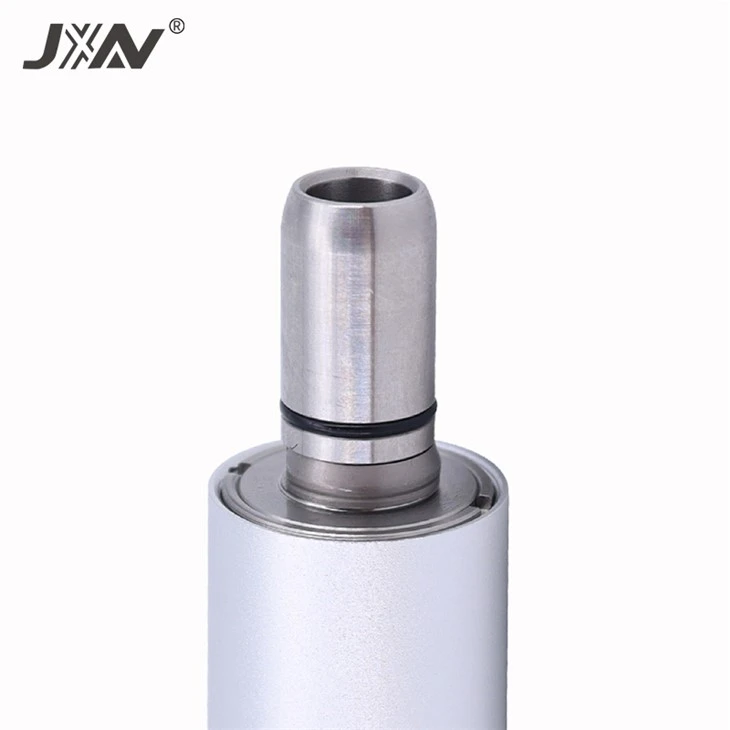
- Installation: Follow the manufacturer's instructions carefully when installing the motor. Make sure it is properly aligned and secured. Incorrect installation can cause the motor to vibrate, which can lead to premature wear and damage.
- Use: Use the motor within its specified operating parameters. Don't overload it or run it at speeds that are too high. This can put unnecessary stress on the motor and reduce its reliability. Also, make sure to use the correct air pressure and flow rate.
Training and Education
Providing training and education to your users can also help improve the reliability of the Internal Air Motor.
- Operator Training: Make sure your operators are trained on how to properly use and maintain the motor. They should know how to clean, lubricate, and inspect the motor, as well as how to recognize and troubleshoot common problems.
- Technical Support: Offer technical support to your users. This can include providing them with access to manuals, videos, and other resources, as well as answering their questions and helping them solve problems.
Comparison with Other Types of Motors
It's also worth comparing the Internal Air Motor with other types of motors, like the FX Type External Air Motor and External Contra Angle Handpiece.
- Advantages of Internal Air Motors: Internal Air Motors are generally more compact and lightweight than external motors. They also offer better torque and speed control, which can make them more suitable for certain applications.
- Limitations of Internal Air Motors: However, Internal Air Motors can be more prone to wear and damage due to their internal design. They also require more maintenance than external motors.
Conclusion
Improving the reliability of an Internal Air Motor requires a combination of regular maintenance, using high-quality components, proper installation and use, and providing training and education to your users. By following these tips, you can ensure that your Internal Air Motors perform reliably and efficiently, which can help you provide better service to your customers.
If you're interested in purchasing high-quality Internal Air Motors or have any questions about improving their reliability, feel free to reach out to us. We're here to help you find the best solutions for your needs.
References
- Manufacturer's manuals for Internal Air Motors
- Industry standards and best practices for dental tool maintenance