

Hey there! As a supplier of Dental LED Oral Filling Light Units, I've seen firsthand how crucial energy efficiency is in the dental industry. Not only does it save costs, but it also contributes to a more sustainable practice. In this blog, I'll share some tips on how to improve the energy efficiency of a dental LED oral filling light unit.
Understanding the Basics of Dental LED Oral Filling Light Units
Before we dive into the tips, let's quickly go over how these light units work. Dental LED oral filling light units use light-emitting diodes (LEDs) to cure dental fillings. LEDs are known for their energy efficiency compared to traditional light sources like halogen bulbs. They produce less heat, have a longer lifespan, and consume less power.
However, there's still room for improvement when it comes to energy efficiency. By making some simple adjustments and using the right techniques, you can further reduce the energy consumption of your dental LED oral filling light unit.
Tip 1: Choose the Right Light Intensity
One of the easiest ways to improve energy efficiency is to use the appropriate light intensity for the filling material. Different filling materials require different levels of light intensity to cure properly. Using a higher intensity than necessary not only wastes energy but can also cause overheating and damage to the filling material.
Most dental LED oral filling light units come with adjustable light intensity settings. Before starting a filling procedure, check the manufacturer's recommendations for the specific filling material you're using. Set the light intensity to the lowest level that still provides adequate curing. This will not only save energy but also ensure a better quality filling.
Tip 2: Optimize the Light Exposure Time
In addition to light intensity, the exposure time also plays a crucial role in energy efficiency. Overexposing the filling material to light can waste energy and potentially damage the tooth. On the other hand, underexposing the material can result in incomplete curing.
To optimize the light exposure time, follow the manufacturer's instructions for the filling material. Use a timer to ensure that you're exposing the material for the recommended duration. Some dental LED oral filling light units even have built-in timers to make this process easier.
Tip 3: Keep the Light Unit Clean
A dirty light unit can reduce its efficiency and increase energy consumption. Dust, debris, and saliva can accumulate on the light guide and the lens, blocking the light and reducing its intensity. To keep your light unit clean, follow these simple steps:
- Regularly wipe the light guide and lens: Use a soft, lint-free cloth to wipe the light guide and lens after each use. This will remove any surface dirt and debris.
- Clean the light unit with a disinfectant: Once a day, clean the entire light unit with a disinfectant recommended by the manufacturer. This will kill any bacteria and viruses and prevent the buildup of dirt and debris.
- Replace the light guide and lens as needed: Over time, the light guide and lens may become worn or damaged. Replace them as recommended by the manufacturer to ensure optimal performance.
Tip 4: Use Energy-Saving Modes
Many dental LED oral filling light units come with energy-saving modes that can significantly reduce energy consumption. These modes typically turn off the light when it's not in use or reduce the light intensity to a minimum level.
To take advantage of these energy-saving modes, make sure to enable them on your light unit. Some units may have a built-in sensor that automatically turns off the light when it's not being used. Others may have a manual switch that you can use to activate the energy-saving mode.
Tip 5: Upgrade to a More Energy-Efficient Model
If your dental LED oral filling light unit is old or outdated, it may be time to consider upgrading to a more energy-efficient model. Newer models are often designed with energy-saving features such as LED technology, adjustable light intensity, and built-in timers.
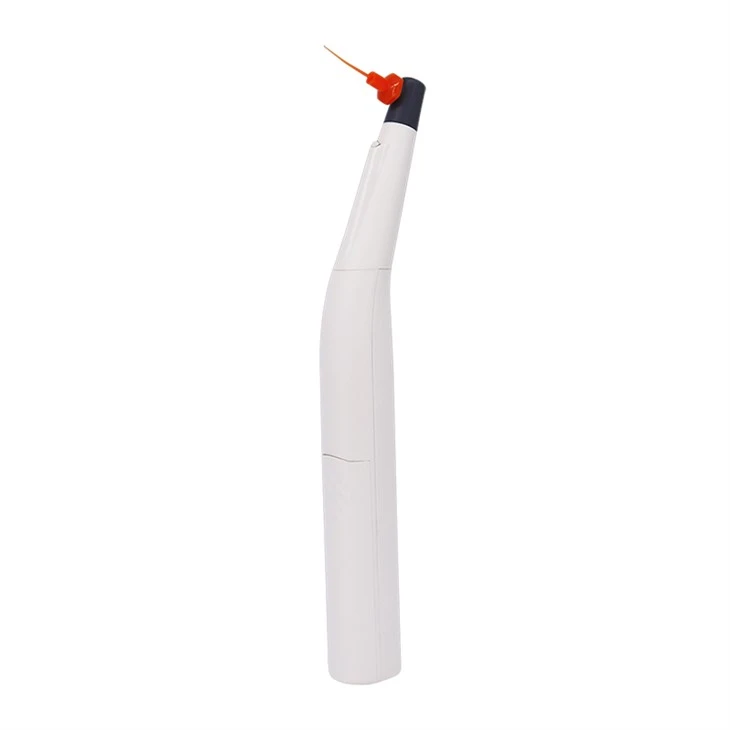

When choosing a new light unit, look for one that has a high energy efficiency rating. The rating is usually expressed in terms of lumens per watt (lm/W). A higher rating means that the light unit produces more light per watt of energy consumed.
Additional Tips for Energy Efficiency
In addition to the tips mentioned above, here are some other ways to improve the energy efficiency of your dental practice:
- Use natural light whenever possible: Open the windows and let in natural light during the day. This will reduce the need for artificial lighting and save energy.
- Turn off equipment when not in use: Make sure to turn off all dental equipment, including the LED oral filling light unit, when it's not being used. This will prevent standby power consumption.
- Invest in energy-efficient appliances: When it's time to replace your dental appliances, choose energy-efficient models. Look for appliances that have the Energy Star label, which indicates that they meet strict energy efficiency guidelines.
Conclusion
Improving the energy efficiency of a dental LED oral filling light unit is not only good for the environment but also for your bottom line. By following the tips outlined in this blog, you can reduce energy consumption, save costs, and provide a better quality of care for your patients.
If you're interested in learning more about our Dental LED Oral Filling Light Units or other dental equipment, such as the Endo Activator, Dental Electric Brushless LED Micro Motor, or Gutta Percha Obturation Pen, please don't hesitate to contact us. We'd be happy to discuss your needs and provide you with a quote.
References
- Manufacturer's instructions for dental filling materials
- Manufacturer's specifications for dental LED oral filling light units
- Energy efficiency guidelines from the Environmental Protection Agency (EPA)