

As a supplier of Internal Air Motors, I understand the critical role that an efficient air distribution system plays in the performance of these motors. In this blog post, I will share some insights on how to design an air distribution system for an Internal Air Motor, drawing on my experience in the industry.
Understanding the Basics of Internal Air Motors
Before delving into the design of the air distribution system, it's essential to have a clear understanding of how Internal Air Motors work. These motors are powered by compressed air, which is directed into the motor to drive the rotation of the rotor. The air flow must be carefully regulated to ensure smooth and efficient operation.
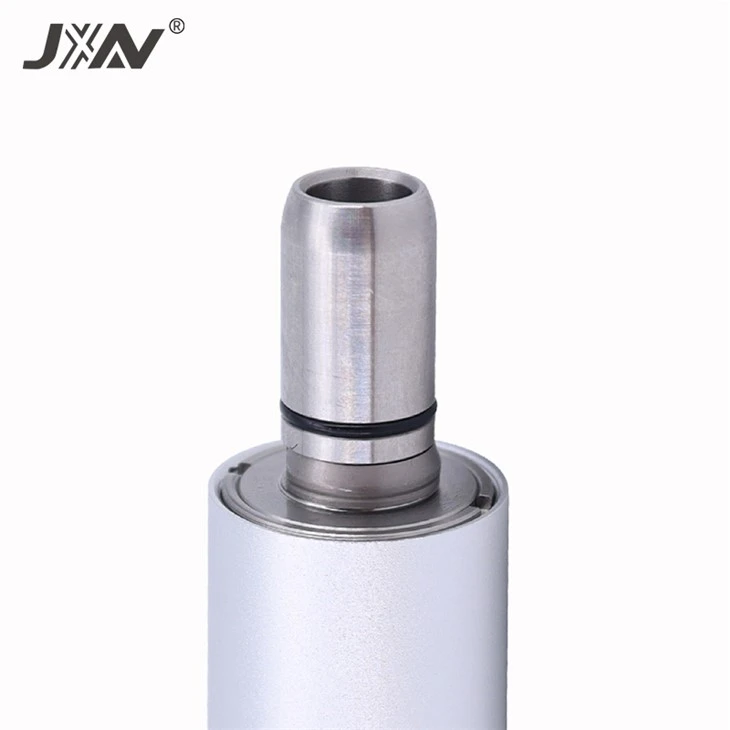
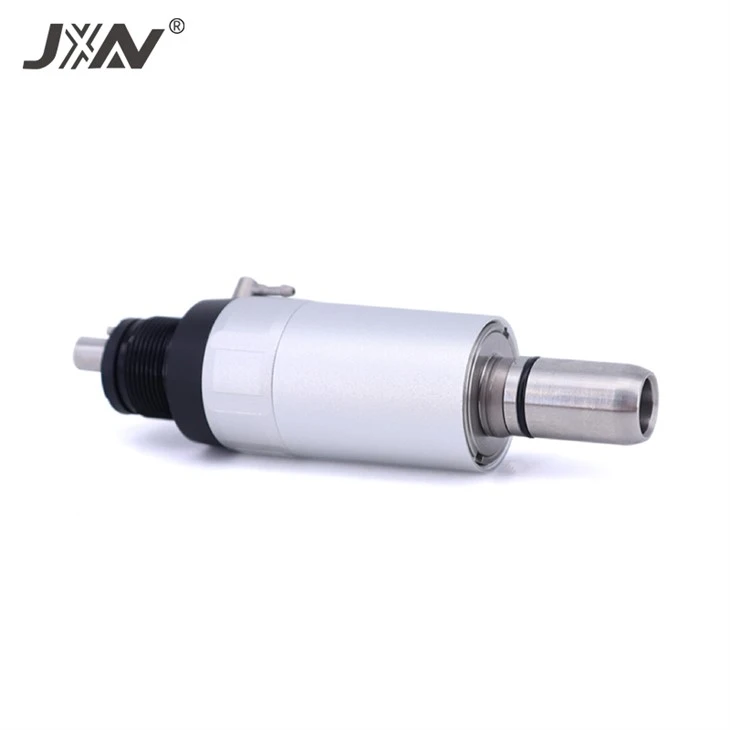
Internal Air Motors are commonly used in various applications, such as dental handpieces. For instance, the External Contra Angle Handpiece and FX Type External Air Motor are popular products that rely on well - designed air distribution systems. The External Air Motor also benefits from a precise air flow design to achieve optimal performance.
Key Considerations in Air Distribution System Design
1. Air Source and Pressure
The first step in designing an air distribution system is to select an appropriate air source. Compressed air is the most common choice, and it should be clean, dry, and free of contaminants. The pressure of the air source is also crucial. It needs to be sufficient to drive the Internal Air Motor but not so high that it causes excessive wear or damage.
Typically, the air pressure required for Internal Air Motors in dental applications ranges from 20 to 40 psi (pounds per square inch). However, this can vary depending on the specific motor design and application requirements. It's important to consult the motor's technical specifications to determine the ideal air pressure.
2. Air Flow Rate
The air flow rate, measured in cubic feet per minute (CFM), determines how much air is delivered to the motor. A higher air flow rate generally results in higher motor speed and torque. However, if the flow rate is too high, it can lead to increased noise and energy consumption.
To calculate the required air flow rate, you need to consider the motor's displacement volume, rotational speed, and efficiency. Manufacturers usually provide guidelines on the recommended air flow rate for their motors. It's also a good idea to conduct tests to fine - tune the flow rate for optimal performance.
3. Tubing and Fittings
The tubing and fittings used in the air distribution system are important factors in ensuring a smooth and efficient air flow. The tubing should be made of a material that is resistant to air leakage, corrosion, and abrasion. Common materials include nylon, polyurethane, and stainless steel.
The diameter of the tubing should be selected based on the required air flow rate. A larger diameter tubing allows for a higher flow rate with less pressure drop. However, it also takes up more space. Fittings should be properly sized and installed to prevent air leaks. Compression fittings and quick - connect fittings are commonly used in air distribution systems.
4. Air Filters and Regulators
Air filters are essential to remove contaminants from the compressed air. They help protect the Internal Air Motor from damage caused by dust, dirt, and moisture. There are different types of air filters available, such as particulate filters and coalescing filters. Particulate filters remove solid particles, while coalescing filters remove liquid droplets.
Air regulators are used to control the air pressure. They ensure that the air pressure delivered to the motor remains constant, regardless of fluctuations in the air source pressure. A well - adjusted regulator can improve the motor's performance and extend its lifespan.
5. Noise Reduction
Air distribution systems can generate noise, especially when the air flow is turbulent. Excessive noise can be a nuisance in some applications, such as dental clinics. To reduce noise, you can use mufflers or silencers in the system. These devices are designed to absorb and dissipate sound waves, reducing the overall noise level.
Design Process
1. System Layout
Start by creating a layout of the air distribution system. Consider the physical location of the air source, the Internal Air Motor, and any other components such as filters and regulators. Try to keep the tubing runs as short and straight as possible to minimize pressure drop.
2. Component Selection
Based on the key considerations mentioned above, select the appropriate components for the system. This includes the air source, tubing, fittings, filters, regulators, and mufflers. Make sure to choose high - quality components from reputable manufacturers to ensure reliability and performance.
3. Installation
Install the components according to the system layout. Pay close attention to the proper installation of fittings to prevent air leaks. Use appropriate tools and techniques to ensure a secure and tight connection.
4. Testing and Adjustment
Once the system is installed, it's time to test it. Start by checking for air leaks using a leak detection solution. Then, measure the air pressure and flow rate at different points in the system. Compare the measured values with the recommended values from the motor's technical specifications.
If necessary, make adjustments to the air pressure and flow rate using the regulators and valves. You may also need to fine - tune the system to reduce noise or improve performance.
Maintenance of the Air Distribution System
Regular maintenance of the air distribution system is essential to ensure its long - term performance. This includes:
- Filter Replacement: Replace air filters at regular intervals to ensure they continue to remove contaminants effectively.
- Tubing Inspection: Check the tubing for signs of wear, damage, or leakage. Replace any damaged tubing immediately.
- Regulator Calibration: Periodically calibrate the air regulators to ensure accurate pressure control.
- Cleaning: Keep the components of the system clean to prevent the buildup of dirt and debris.
Conclusion
Designing an air distribution system for an Internal Air Motor requires careful consideration of various factors, including air source, pressure, flow rate, tubing, and components. By following the guidelines outlined in this blog post, you can design a system that provides reliable and efficient air flow to your Internal Air Motor.
If you are in the market for Internal Air Motors or need assistance with air distribution system design, I encourage you to contact us for a detailed discussion. We have a team of experts who can help you select the right products and design a system that meets your specific needs.
References
- Manufacturer's technical specifications for Internal Air Motors
- Industry standards for compressed air systems
- Research papers on air flow design and optimization in pneumatic systems