

As a supplier of dental sandblasting units, one of the most common questions I receive from dental professionals is about the amount of compressed air required for these units. Understanding the compressed air needs is crucial for the efficient and effective operation of dental sandblasting units. In this blog, I'll delve into the factors that influence the compressed air requirements and provide some guidelines to help you make informed decisions.
Importance of Compressed Air in Dental Sandblasting
Compressed air is the driving force behind dental sandblasting units. It propels the abrasive particles onto the dental surface, allowing for the removal of stains, biofilm, and other debris. The right amount of compressed air ensures that the sandblasting process is both powerful enough to achieve the desired results and gentle enough to avoid damaging the tooth structure.

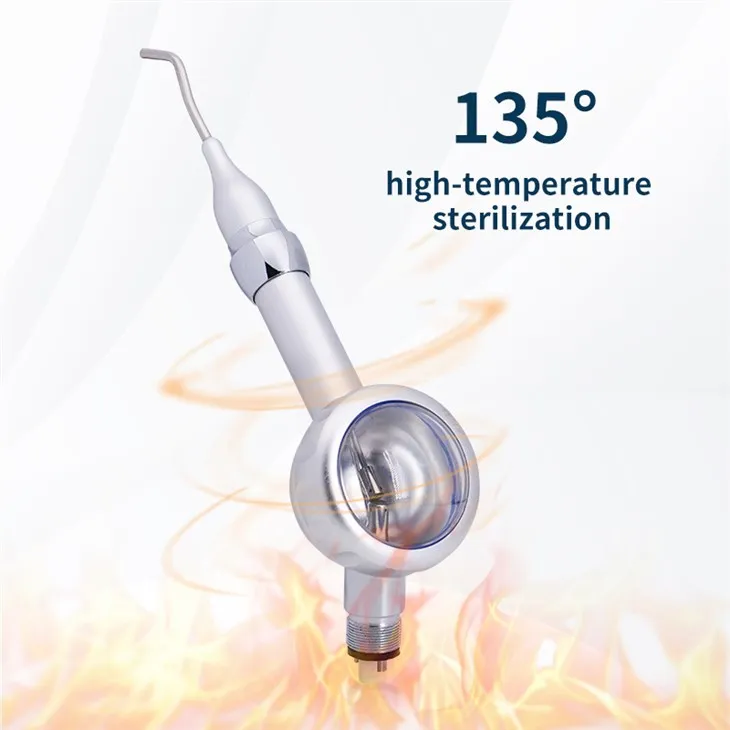
Factors Affecting Compressed Air Requirements
1. Type of Dental Sandblasting Unit
Different types of dental sandblasting units have varying compressed air requirements. For example, the Aluminium Oxide Sandblasting Unit is designed to use aluminium oxide as the abrasive material. This type of unit may require a specific range of compressed air pressure to effectively propel the aluminium oxide particles.
Similarly, the Stainless Steel Air Prophy Unit Sandblasting Machine and the Titanium Alloy Air Prophy Unit Sandblasting Machine are made from different materials and may have unique design features that affect their compressed air needs. Stainless steel and titanium alloy units are often more durable and may be designed to operate at different pressure levels compared to other units.
2. Abrasive Material
The type of abrasive material used in the sandblasting unit also plays a significant role in determining the compressed air requirements. Different abrasive materials have different particle sizes, shapes, and densities. For instance, finer abrasive particles may require less compressed air pressure to be propelled effectively, while coarser particles may need higher pressure.
Common abrasive materials used in dental sandblasting include sodium bicarbonate, aluminium oxide, and calcium carbonate. Each of these materials has its own characteristics and may require a specific compressed air pressure range for optimal performance.
3. Treatment Area and Intensity
The size of the treatment area and the intensity of the sandblasting required also impact the compressed air needs. If you are treating a large area or need to remove stubborn stains or deposits, you may need to increase the compressed air pressure to ensure that the abrasive particles have enough force to reach the target area.
On the other hand, when treating a small or sensitive area, such as around the gums or on a newly restored tooth, you may need to reduce the compressed air pressure to avoid causing damage.
Recommended Compressed Air Pressure Ranges
In general, dental sandblasting units typically require a compressed air pressure range of 20 to 60 pounds per square inch (psi). However, this range can vary depending on the factors mentioned above.
For most routine dental sandblasting procedures using sodium bicarbonate as the abrasive material, a pressure of around 30 to 40 psi is usually sufficient. This pressure range allows for effective removal of stains and biofilm without causing excessive damage to the tooth surface.
If you are using aluminium oxide or other coarser abrasive materials, you may need to increase the pressure to 40 to 60 psi to ensure that the particles have enough force to remove tougher deposits.
It's important to note that these are just general guidelines, and the optimal compressed air pressure for your specific dental sandblasting unit may vary. Always refer to the manufacturer's instructions for the recommended pressure range for your unit.
Compressed Air Quality
In addition to the pressure, the quality of the compressed air is also crucial for the proper functioning of dental sandblasting units. Compressed air should be clean, dry, and free of oil and other contaminants.
Contaminated compressed air can cause problems such as clogging of the sandblasting nozzle, reduced performance of the unit, and potential damage to the dental equipment. To ensure the quality of the compressed air, it's recommended to use a high-quality air compressor with appropriate filtration systems.
Ensuring Proper Compressed Air Supply
To ensure that your dental sandblasting unit receives the right amount of compressed air, it's important to have a reliable air supply system. Here are some tips to help you maintain a proper compressed air supply:
- Use a Suitable Air Compressor: Choose an air compressor that can provide the required pressure and volume of compressed air for your dental sandblasting unit. Consider the size of your practice and the number of sandblasting units you will be using when selecting an air compressor.
- Regular Maintenance: Perform regular maintenance on your air compressor and filtration systems to ensure that they are functioning properly. This includes changing filters, draining moisture, and checking for leaks.
- Monitor Air Pressure: Use a pressure gauge to monitor the compressed air pressure at the sandblasting unit. Make sure that the pressure is within the recommended range for your unit.
- Adjust as Needed: If you notice that the sandblasting performance is not optimal, you may need to adjust the compressed air pressure. However, always make small adjustments and test the unit before making further changes.
Conclusion
Understanding the compressed air requirements of dental sandblasting units is essential for achieving optimal results in dental procedures. By considering factors such as the type of unit, abrasive material, treatment area, and intensity, you can determine the appropriate compressed air pressure for your specific needs.
As a supplier of dental sandblasting units, I'm committed to providing high-quality products and expert advice to help you make the most of your dental sandblasting equipment. If you have any questions about the compressed air requirements of our dental sandblasting units or need assistance in selecting the right unit for your practice, please don't hesitate to contact us. We're here to help you ensure the success of your dental procedures.
References
- American Dental Association. (Year). Guidelines for Dental Equipment and Supplies.
- Manufacturer's Instructions for Dental Sandblasting Units.