

The process of dental implant integration with the bone, known as osseointegration, is a critical aspect in the field of dental implantology. As a dental implant series supplier, I've witnessed firsthand the importance of understanding this process for both dental professionals and patients. In this blog, I'll delve into the various factors that influence how long it takes for a dental implant series to integrate with the bone.
Understanding Osseointegration
Osseointegration is the biological process by which dental implants form a direct and stable connection with the surrounding bone tissue. This connection is essential for the long - term success and stability of the dental implant. When a dental implant is placed into the jawbone, the body's natural healing response is triggered. Initially, a blood clot forms around the implant, which is then gradually replaced by fibrous tissue. Over time, this fibrous tissue is replaced by new bone growth, which fuses with the surface of the implant.
Factors Affecting the Integration Time
Patient's Overall Health
A patient's general health plays a significant role in the osseointegration process. For instance, patients with diabetes may experience a longer integration time. Diabetes can affect blood circulation and the body's ability to heal, which can slow down the formation of new bone around the implant. Similarly, patients who smoke are at a higher risk of delayed osseointegration. Smoking reduces blood flow to the gums and bone, which impairs the body's ability to deliver the necessary nutrients and oxygen for bone growth. On the other hand, patients in good overall health, with no underlying medical conditions and a healthy lifestyle, are more likely to experience a faster integration process.
Bone Quality and Quantity
The quality and quantity of the patient's jawbone are crucial factors. Dense, healthy bone provides a better environment for osseointegration. In cases where the bone is of poor quality, such as in patients with osteoporosis, the integration process may take longer. Additionally, if there is insufficient bone quantity, a bone graft may be required before implant placement. Bone grafting adds an extra step to the treatment process and can significantly increase the overall time for the implant to integrate with the bone.
Implant Design and Surface Characteristics
The design and surface characteristics of the dental implant series also influence the integration time. Implants with a rough surface tend to promote faster osseointegration compared to those with a smooth surface. The rough surface provides more surface area for the bone cells to attach to, which enhances the initial stability of the implant and accelerates the bone - forming process. Different implant designs, such as tapered or cylindrical implants, may also have varying effects on osseointegration. Some designs are better suited for certain bone types and anatomical locations, which can impact the integration time.
Surgical Technique
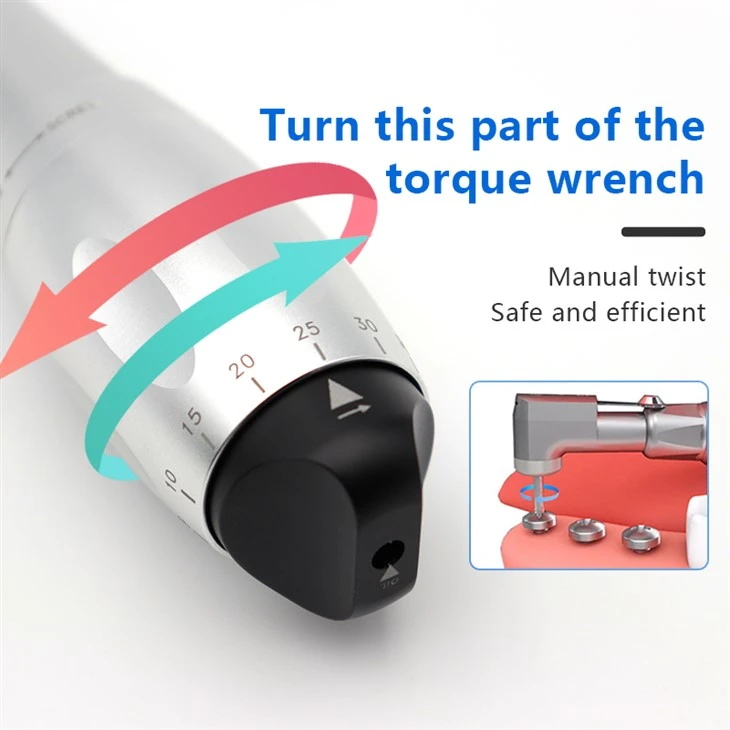
The skill and experience of the dental surgeon performing the implant placement procedure are vital. A well - executed surgical technique minimizes trauma to the surrounding bone and soft tissues, which promotes faster healing and osseointegration. Incorrect implant placement, excessive drilling, or damage to the bone during surgery can lead to delayed integration or even implant failure. Surgeons who use advanced surgical techniques and the right tools, such as the Dental Implant Torque Wrench, can ensure that the implant is placed with the correct torque and at the optimal position, which is beneficial for the integration process.
Typical Timeframes for Osseointegration
On average, the osseointegration process can take anywhere from 3 to 6 months. However, this is just a general estimate, and the actual time can vary significantly depending on the factors mentioned above.
In cases where the patient has good bone quality, is in good health, and the implant is placed correctly, osseointegration may be completed in as little as 3 months. This allows for a relatively quick restoration of the implant with a dental crown or bridge.
Conversely, if there are challenges such as poor bone quality, a history of smoking, or complex surgical procedures, the integration time can extend to 6 months or even longer. In some extreme cases, additional time may be required for the bone to fully heal and integrate with the implant.
Monitoring the Integration Process
During the osseointegration period, it's essential to monitor the progress of the implant. Dental professionals typically use X - rays and other imaging techniques to assess the bone growth around the implant. Regular follow - up appointments allow the dentist to check for any signs of complications, such as infection or implant mobility. If any issues are detected early, appropriate measures can be taken to ensure the success of the implant.
Our Role as a Dental Implant Series Supplier
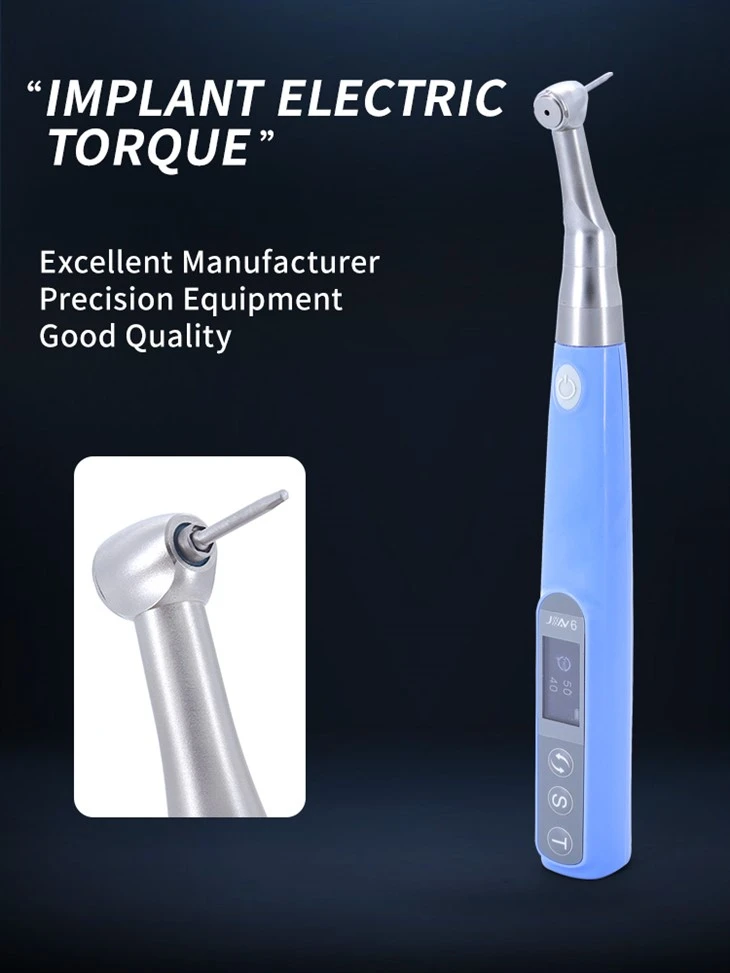
As a dental implant series supplier, we understand the importance of providing high - quality products that support the osseointegration process. Our Dental Wireless Implant Electric Wrench Torque and Dental Lmplant Screw Driver are designed to assist dental surgeons in performing precise and efficient implant placement procedures. These tools help ensure that the implant is placed with the correct force and alignment, which is crucial for successful osseointegration.
We also offer a wide range of dental implant series with different designs and surface characteristics to meet the diverse needs of patients and dental professionals. Our products are manufactured using the latest technology and high - quality materials to promote faster and more reliable osseointegration.
Conclusion
The time it takes for a dental implant series to integrate with the bone is influenced by multiple factors, including the patient's health, bone quality, implant design, and surgical technique. While the average integration time is 3 to 6 months, it's important to remember that each case is unique. Dental professionals and patients need to work together to ensure that all factors are optimized for a successful osseointegration process.
If you're a dental professional interested in learning more about our dental implant series or have any questions regarding osseointegration, we encourage you to contact us for a procurement discussion. We're committed to providing the best products and support to help you achieve excellent outcomes for your patients.
References
- Albrektsson T, Zarb G A, Worthington P, Eriksson A R. The long - term efficacy of currently used dental implants: a review and proposed criteria of success. Int J Oral Maxillofac Implants. 1986;1(1):11 - 25.
- Misch C E. Dental Implant Prosthetics. Mosby; 2008.
- Buser D, Martin W, Belser U C. Optimizing esthetics for implant restorations with short - implants in the anterior maxilla: surgical and prosthetic challenges. Int J Oral Maxillofac Implants. 2004;19 Suppl:43 - 61.