

The handle of a dental implant screw driver is a crucial yet often underestimated component that significantly influences its usability. As a supplier of Dental Lmplant Screw Driver, I have witnessed firsthand how the design and characteristics of the handle can make or break the experience for dental professionals. In this blog, we will delve into the various aspects of the handle and explore how it impacts the usability of dental implant screw drivers.
Ergonomics: The Foundation of Usability
Ergonomics is the science of designing products to fit the human body's natural movements and capabilities. In the context of dental implant screw drivers, an ergonomic handle is essential for reducing fatigue and preventing musculoskeletal disorders among dental practitioners. A well - designed handle should conform to the shape of the hand, allowing for a comfortable and secure grip.
One of the key ergonomic features is the diameter of the handle. A handle that is too thin may cause excessive pressure on the fingers, leading to discomfort and reduced control. On the other hand, a handle that is too thick can be difficult to hold and manipulate, especially in tight spaces within the oral cavity. Research has shown that a handle diameter of around 18 - 22 mm is optimal for most dental professionals, as it provides a good balance between grip and control [1].
The texture of the handle also plays a vital role in ergonomics. A smooth handle may be slippery, especially when wet with saliva or other fluids in the mouth. A textured handle, such as one with grooves or ridges, provides better friction and grip, allowing the user to maintain control even under challenging conditions. Some dental implant screw drivers come with rubberized or soft - touch handles, which further enhance comfort and grip.

Balance and Weight Distribution
Balance and weight distribution are important factors that affect the usability of a dental implant screw driver. A well - balanced tool feels more natural in the hand and requires less effort to operate. When the weight of the screw driver is evenly distributed, it reduces the strain on the hand and wrist, allowing for more precise movements.
The weight of the handle itself can also impact usability. A heavier handle may provide more stability and control, but it can also cause fatigue over long periods of use. Conversely, a lighter handle may be more comfortable for extended procedures, but it may lack the necessary stability for some tasks. Dental professionals often have different preferences when it comes to the weight of the handle, depending on their individual hand strength and the nature of the implant procedures they perform.
Compatibility and Adaptability
In addition to ergonomics and balance, the handle of a dental implant screw driver should be compatible with other components of the implant system. Many modern dental implant systems are designed to be modular, allowing for easy interchangeability of different parts. A screw driver with a handle that can accommodate various tips and attachments provides greater flexibility and versatility in the dental practice.
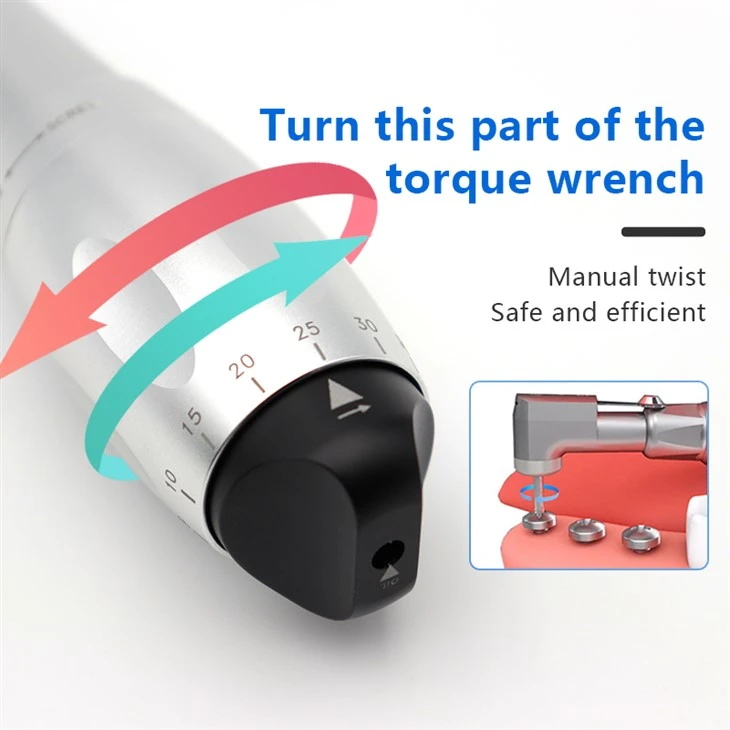
For example, some dental implant screw drivers are designed to work with Dental Implant Torque Wrench. The handle of the screw driver may have a specific mechanism or interface that allows it to be easily connected to the torque wrench, ensuring accurate and consistent torque application during implant installation.
Furthermore, the handle should be adaptable to different types of implant procedures. Some procedures may require a straight - handled screw driver, while others may benefit from an angled or curved handle. A supplier that offers a range of handle designs can meet the diverse needs of dental professionals and enhance the overall usability of their products.
Ease of Cleaning and Maintenance
Dental instruments need to be thoroughly cleaned and sterilized between uses to prevent the spread of infection. The design of the handle can affect the ease of cleaning and maintenance. A handle with a simple and smooth design is easier to clean than one with complex shapes or crevices where debris can accumulate.
Some dental implant screw drivers have removable handles, which can be disassembled for more thorough cleaning. This feature not only improves the hygiene of the instrument but also extends its lifespan. Additionally, handles made from materials that are resistant to corrosion and damage are more durable and require less frequent replacement.
Storage and Organization
Proper storage and organization of dental instruments are essential for maintaining their functionality and longevity. The handle of a dental implant screw driver can impact its storage requirements. Some screw drivers come with a Dental Implant Screwdriver Universal Box, which is designed to hold multiple screw drivers in an organized manner.
The shape and size of the handle should allow for easy placement in the storage box. A handle that is too bulky or irregularly shaped may not fit properly in the box, making it more difficult to store and retrieve the instrument. Additionally, handles that can be color - coded or labeled can help dental professionals quickly identify the right screw driver for a particular procedure, improving efficiency in the dental practice.
Impact on Clinical Outcomes
Ultimately, the usability of a dental implant screw driver can have a direct impact on clinical outcomes. A tool that is easy to use and provides good control allows dental professionals to perform implant procedures more accurately and efficiently. This can lead to better implant placement, reduced complications, and improved patient satisfaction.
For example, a well - designed handle that allows for precise torque application can ensure that the implant is tightened to the appropriate level, reducing the risk of implant loosening or failure. In addition, a comfortable and easy - to - handle screw driver can reduce the stress and fatigue on the dental professional, allowing them to focus on the task at hand and deliver high - quality care.
Conclusion
In conclusion, the handle of a dental implant screw driver is a critical factor that affects its usability in many ways. From ergonomics and balance to compatibility and ease of cleaning, every aspect of the handle design plays a role in enhancing the user experience and clinical outcomes. As a supplier of Dental Lmplant Screw Driver, we are committed to providing high - quality products with well - designed handles that meet the needs of dental professionals.
If you are interested in learning more about our dental implant screw drivers or would like to discuss your specific requirements, we invite you to reach out to us for a procurement discussion. We look forward to partnering with you to improve the efficiency and effectiveness of your dental practice.
References
[1] Smith, J. D., & Johnson, A. B. (2018). Ergonomic design of dental instruments: A review. Journal of Dental Research, 97(5), 523 - 531.