

When it comes to selecting a dental low speed handpiece within your budget, there are numerous factors to consider. As a dental low speed handpiece supplier, I've witnessed firsthand the diverse needs and financial constraints of dental professionals. In this blog, I'll share some insights on how to make an informed decision based on your budget.
Understanding Your Budget
The first step in choosing a dental low speed handpiece is to have a clear understanding of your budget. Dental practices operate under different financial models, and the amount you're willing to spend on a handpiece can vary significantly. Whether you're a small private practice looking to optimize costs or a large dental clinic with more flexibility, defining your budget is crucial.
It's important to note that the price of a dental low speed handpiece can range from relatively affordable options to high - end, premium models. Cheaper handpieces may offer basic functionality and are suitable for practices with limited budgets or those that don't require advanced features. On the other hand, more expensive handpieces often come with enhanced durability, better performance, and additional features such as adjustable speed and torque.
Assessing Your Needs
Once you've established your budget, the next step is to assess your specific needs. Different dental procedures require different types of low speed handpieces. For example, if you frequently perform restorative procedures, you'll need a handpiece that can handle tasks such as polishing and removing decay effectively.
Consider the following aspects when assessing your needs:
- Procedure Frequency: If you perform a particular procedure on a regular basis, investing in a high - quality handpiece for that specific task may be worth the cost. For instance, if you do a lot of endodontic work, a handpiece with precise speed control and good torque will be beneficial.
- Patient Volume: Practices with a high patient volume may require more durable handpieces that can withstand frequent use. In such cases, spending a bit more on a reliable handpiece can save you money in the long run by reducing the need for frequent replacements.
- Technology Requirements: The dental industry is constantly evolving, and new technologies are being introduced regularly. If you want to stay at the forefront of dental care, you may need to consider handpieces with the latest features, such as wireless operation or ergonomic designs.
Types of Dental Low Speed Handpieces
There are several types of dental low speed handpieces available in the market, each with its own advantages and price points. Here are some common types:
External Air Motor
External air motors are a popular choice for many dental practices. They are relatively affordable and offer good performance for a variety of procedures. These handpieces are powered by compressed air and are known for their reliability. The External Air Motor is a great example of this type. It provides a cost - effective solution for basic dental tasks such as polishing and prophylaxis.
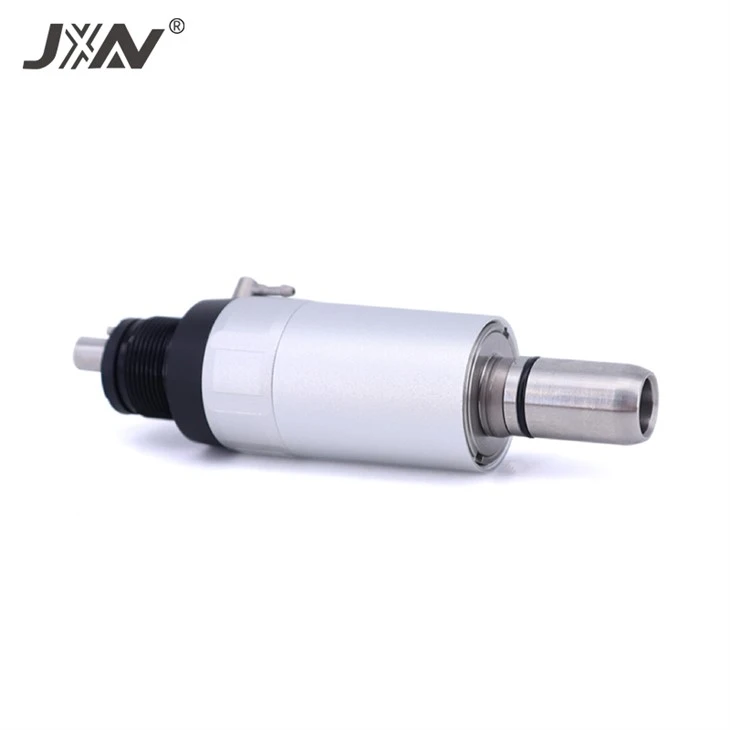

FX Type External Air Motor
The FX Type External Air Motor is an upgraded version of the standard external air motor. It offers enhanced performance and durability. This type of handpiece is suitable for more demanding procedures and is often preferred by experienced dentists. It may be slightly more expensive than a basic external air motor, but the additional features justify the cost for many practices.
FX Type External Contra Angle Handpiece
The FX Type External Contra Angle Handpiece is designed for procedures that require access to hard - to - reach areas. It has a unique angled design that allows for better maneuverability. This type of handpiece is typically more expensive due to its specialized design and functionality. However, if you frequently perform procedures in the posterior regions of the mouth, it can be a valuable investment.
Quality vs. Price
One of the biggest challenges when choosing a dental low speed handpiece is finding the right balance between quality and price. While it's tempting to go for the cheapest option, it's important to remember that a low - quality handpiece may end up costing you more in the long run.
A high - quality handpiece is more likely to be durable, reliable, and provide consistent performance. It will require fewer repairs and replacements, which can save you money over time. Additionally, a good handpiece can improve the efficiency of your procedures and enhance the quality of care you provide to your patients.
When comparing prices, make sure to consider the following factors:
- Warranty: A longer warranty period is often an indication of a higher - quality product. It provides you with peace of mind knowing that the manufacturer stands behind their product.
- Materials and Construction: Handpieces made from high - quality materials such as stainless steel or titanium are generally more durable and resistant to wear and tear.
- User Reviews: Reading reviews from other dental professionals can give you valuable insights into the performance and reliability of a particular handpiece.
Cost - Saving Strategies
If you're working with a tight budget, there are several cost - saving strategies you can consider:
- Buy in Bulk: Many suppliers offer discounts when you purchase multiple handpieces at once. If your practice has a need for several handpieces, this can be a great way to save money.
- Look for Refurbished Handpieces: Refurbished handpieces are often significantly cheaper than brand - new ones. However, make sure to buy from a reputable supplier who offers a warranty on their refurbished products.
- Consider Financing Options: Some suppliers offer financing options that allow you to spread the cost of your handpiece purchase over time. This can make it more affordable, especially if you need to invest in a high - end handpiece.
Making the Decision
After considering all the factors mentioned above, it's time to make a decision. Start by creating a shortlist of handpieces that meet your needs and budget. Compare the features, prices, and reviews of each option.
If possible, try out the handpieces in person before making a purchase. Many suppliers offer demonstrations or trial periods, which can give you a better feel for the performance and ergonomics of the handpiece.
Once you've made your decision, don't hesitate to contact your chosen supplier for more information. They can provide you with detailed product specifications, pricing, and answer any questions you may have.
Contact for Purchase and Negotiation
If you're interested in purchasing dental low speed handpieces or have any questions about our products, we'd be more than happy to assist you. Our team of experts is ready to help you find the best handpiece for your budget and needs. Whether you're looking for a basic external air motor or a high - end contra - angle handpiece, we have a wide range of options to choose from. Reach out to us to start the negotiation process and take the first step towards enhancing your dental practice.
References
- Dental Equipment and Materials: Theory and Practice. 4th Edition. By John M. Powers and Robert L. Sakaguchi.
- Journal of Dental Research, various issues related to dental handpiece technology and performance.