

Hey there! As a dental root canal file supplier, I've been getting a lot of questions lately about how these little tools actually remove dentin debris from the root canal. So, I thought I'd take a few minutes to break it down for you.

First off, let's talk about what dentin debris is. When a dentist performs a root canal, they're essentially cleaning out the inside of the tooth. The root canal is filled with pulp, which is a soft tissue that contains nerves and blood vessels. Over time, this pulp can become infected or damaged, leading to pain and other problems. To fix this, the dentist needs to remove the infected pulp and any debris that might be left behind.
That's where dental root canal files come in. These files are small, flexible instruments that are used to clean and shape the root canal. They come in different sizes and shapes, depending on the specific needs of the patient. The most common types of files are made of stainless steel or nickel-titanium alloy, which are both strong and flexible enough to navigate the complex anatomy of the root canal.
So, how do these files actually remove dentin debris? Well, it all comes down to the design of the file. Most root canal files have a series of flutes or grooves along their length. These flutes are what help to remove the debris from the root canal. As the file is rotated inside the canal, the flutes act like tiny scoops, picking up the debris and carrying it out of the canal.
But it's not just the flutes that do the work. The shape of the file also plays an important role. Different shapes of files are designed to target different areas of the root canal. For example, some files are straight, while others are curved. Straight files are typically used to clean the straight sections of the canal, while curved files are better suited for the more curved or angled areas.
In addition to the flutes and shape, the speed and pressure at which the file is used also affect its ability to remove dentin debris. The dentist needs to use the right amount of pressure to ensure that the file is able to penetrate the dentin and remove the debris, but not so much pressure that it causes damage to the tooth or the surrounding tissues. The speed at which the file is rotated is also important. Too slow, and the file won't be able to remove the debris effectively. Too fast, and it could cause the file to break or damage the tooth.
Another important factor in removing dentin debris is irrigation. Irrigation is the process of flushing the root canal with a liquid solution to help remove the debris and disinfect the canal. There are several different types of irrigation solutions that can be used, including sodium hypochlorite, hydrogen peroxide, and chlorhexidine. These solutions help to dissolve the debris and kill any bacteria that might be present in the canal.
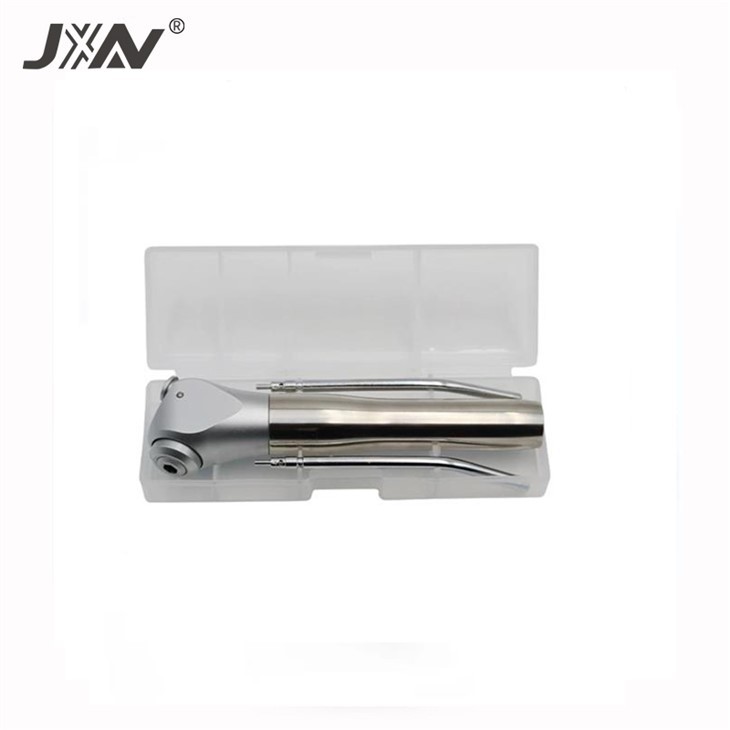
To perform irrigation, the dentist will typically use a syringe or a specialized irrigation system. The solution is injected into the root canal using a small needle or cannula. The solution then flows through the canal, carrying the debris with it. The dentist may also use a Dental Air Water Triple Syringe to help remove the debris and dry the canal.
In some cases, the dentist may also use ultrasonic instruments to help remove dentin debris. Ultrasonic instruments use high-frequency vibrations to break up the debris and make it easier to remove. These instruments are often used in combination with root canal files and irrigation solutions to ensure that the canal is thoroughly cleaned.
Now, let's talk about some of the challenges that dentists face when using root canal files to remove dentin debris. One of the biggest challenges is the complex anatomy of the root canal. The root canal can be very narrow and curved, making it difficult for the file to reach all areas of the canal. In some cases, the canal may have multiple branches or canals, which can make it even more challenging to clean.
Another challenge is the presence of calcifications or blockages in the root canal. Calcifications are hard deposits that can form inside the canal over time, making it difficult for the file to pass through. Blockages can also occur due to the presence of debris or other materials in the canal. In these cases, the dentist may need to use specialized techniques or instruments to remove the calcifications or blockages before they can continue with the root canal treatment.
Despite these challenges, dental root canal files are still one of the most effective tools for removing dentin debris from the root canal. With the right technique and the use of appropriate instruments and irrigation solutions, dentists are able to clean the canal thoroughly and save the tooth.
As a dental root canal file supplier, I'm always looking for ways to improve the design and performance of our files. We work closely with dentists and researchers to develop new and innovative products that can help to make root canal treatments more effective and efficient. For example, we're currently working on a new type of file that has a more flexible tip, which can help to navigate the complex anatomy of the root canal more easily.
If you're a dentist or a dental professional and you're interested in learning more about our dental root canal files, or if you have any questions about how they work, please don't hesitate to contact us. We'd be happy to provide you with more information and to discuss your specific needs. You can also check out our other dental accessories, such as Dental Handpiece Burs and Low Speed Handpiece Cartridge Rotor, which are designed to work together with our root canal files to provide a comprehensive solution for your dental needs.
In conclusion, dental root canal files are an essential tool for removing dentin debris from the root canal. By understanding how these files work and the challenges that dentists face when using them, we can better appreciate the importance of these tools in saving teeth and improving oral health. So, the next time you're at the dentist's office and you're getting a root canal treatment, you'll have a better idea of what's going on inside your tooth.
References
- Walton, R. E., & Torabinejad, M. (2009). Principles and Practice of Endodontics. Elsevier Health Sciences.
- Hülsmann, M., & Peters, O. A. (2007). Instrumentation of the root canal system: shaping concepts. International Endodontic Journal, 40(11), 935-951.
- Peters, O. A. (2004). Current challenges and concepts in the preparation of root canal systems: a review. Journal of Endodontics, 30(9), 559-567.