

Hey there! As a supplier of dental accessories, I've seen a lot of questions come up over the years. One that keeps popping up is whether dental accessories need to be adjusted over time. Well, let's dive right into it.
First off, what are we talking about when we say dental accessories? We're looking at a whole range of stuff, from the Dental Handpiece Connect Tube that connects your handpiece to the air and water supply, to the Low Speed Handpiece Cartridge Rotor and High Speed Handpiece Cartridge Rotor that power the handpieces themselves. These are just a few examples, but you get the idea.
Now, do they need to be adjusted? The short answer is yes, most of the time. Let's start with the Dental Handpiece Connect Tube. Over time, this tube can get bent, kinked, or develop small cracks. These issues can lead to a loss of air or water pressure, which can affect the performance of your handpiece. For example, if the air pressure is too low, the handpiece might not spin at the correct speed, making it difficult to do precise work. And if there's a leak in the water line, it won't be able to cool the tooth properly during drilling, which can cause pain for the patient and even damage the tooth.
So, how do you adjust it? Well, if it's just a simple kink, you can try to straighten it out gently. But if there are cracks or if the tube is severely damaged, it's usually best to replace it. Regularly inspecting the tube for any signs of wear and tear is a good practice. You can do this by looking for visible damage and also by checking the performance of the handpiece. If you notice any changes in the air or water flow, it's time to take a closer look at the tube.
Next up, the Low Speed Handpiece Cartridge Rotor and High Speed Handpiece Cartridge Rotor. These are the heart of the handpiece, and they definitely need to be maintained and adjusted over time. The rotor spins at high speeds, and with constant use, the bearings can wear out, the gears can get misaligned, or the motor can start to lose power.
When the bearings wear out, the rotor might start to make a strange noise or vibrate more than usual. This can not only be annoying for the dentist but can also affect the accuracy of the handpiece. Misaligned gears can cause the rotor to spin unevenly, which can lead to inconsistent performance. And a weak motor can result in a slower spinning speed.
To adjust these issues, you'll need to have some technical know - how or take the handpiece to a professional repair service. They can disassemble the handpiece, clean the parts, replace any worn - out bearings or gears, and realign the components. Some handpieces also come with adjustable settings for the speed and torque, which can be tweaked to suit different types of procedures.
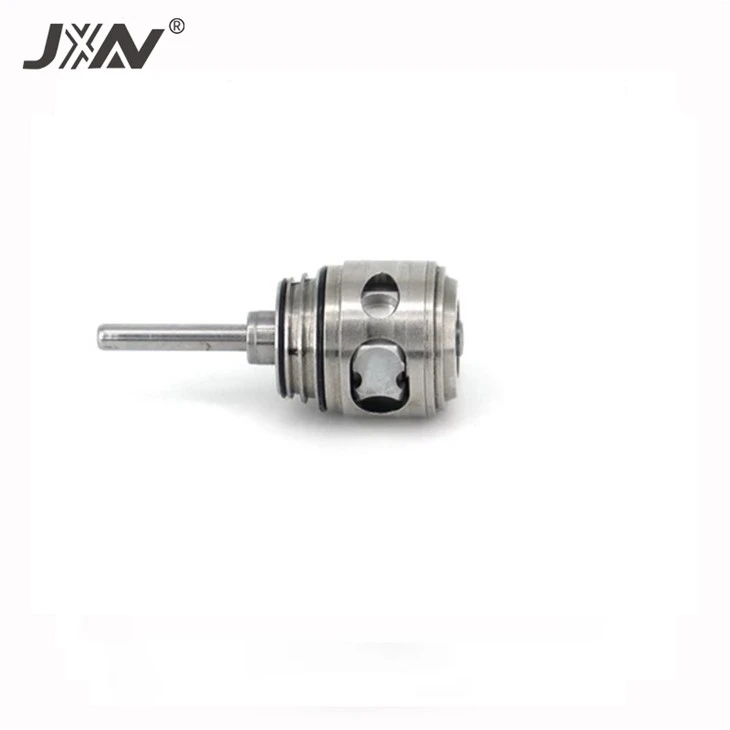

But why is it so important to keep these rotors in good condition? Well, in a dental practice, time is money. A poorly performing handpiece can slow down the workflow, as you might have to repeat procedures because of inaccurate work. It can also lead to a less comfortable experience for the patient. And let's not forget about the safety aspect. A malfunctioning handpiece can pose a risk to the patient, such as overheating or sudden stops during a procedure.
Another factor to consider is the changing needs of the dental practice. As new techniques and materials are developed, the requirements for the dental accessories might change. For example, if you start using a new type of composite filling material that requires a different drilling speed, you might need to adjust the settings on your handpiece. Or if you're doing more delicate procedures, you might want to fine - tune the torque of the rotor to have better control.
Now, let's talk about the cost - benefit analysis. Some dentists might think that it's too expensive or time - consuming to adjust and maintain their dental accessories. But in the long run, it actually saves money. Replacing a damaged handpiece is much more expensive than regularly maintaining and adjusting it. And if a malfunctioning handpiece causes a problem during a procedure, it can lead to additional costs, such as patient compensation or legal issues.
As a dental accessories supplier, I've seen firsthand the difference that proper adjustment and maintenance can make. We work closely with dental professionals to provide them with the best products and also offer advice on how to take care of them. We know that a well - maintained handpiece is a happy handpiece, and a happy handpiece means a more efficient and successful dental practice.
If you're in the market for new dental accessories or need advice on how to adjust and maintain your existing ones, don't hesitate to reach out. We're here to help you keep your practice running smoothly. Whether you're a small private practice or a large dental clinic, we have the products and expertise to meet your needs.
In conclusion, dental accessories definitely need to be adjusted over time. From the Dental Handpiece Connect Tube to the Low Speed and High Speed Handpiece Cartridge Rotors, each component plays a crucial role in the performance of your dental equipment. By regularly inspecting, maintaining, and adjusting these accessories, you can ensure that your handpieces work at their best, provide a better experience for your patients, and keep your practice profitable. So, take the time to give your dental accessories the attention they deserve.
References:
- Dental Equipment Maintenance Manuals
- Industry Reports on Dental Handpiece Performance
- Professional Dental Journals on Equipment Care