

A dental handpiece connect tube is a critical component in a dental practice, facilitating the smooth operation of various dental instruments. As a trusted supplier of Dental Handpiece Connect Tubes, I've witnessed firsthand the impact that seemingly minor issues can have on the overall functionality of dental equipment. One such concern that often arises is whether a loose connector can cause problems with a dental handpiece connect tube. In this blog, we'll delve into this topic, exploring the potential issues, their implications, and how to address them.
Understanding the Dental Handpiece Connect Tube System
Before we discuss the impact of a loose connector, it's essential to understand the role of the dental handpiece connect tube. This tube serves as a conduit for air, water, and sometimes electricity, depending on the type of handpiece. It connects the handpiece to the dental unit, allowing for the precise delivery of these elements during dental procedures.
The connector at each end of the tube is designed to create a secure and leak - proof connection. A proper connection ensures that the air and water flow are consistent, which is crucial for tasks such as cooling the tooth during drilling and maintaining a clear field of vision in the patient's mouth.
Potential Problems Caused by a Loose Connector
1. Air and Water Leakage
One of the most immediate and obvious problems caused by a loose connector is leakage. When the connection is not tight, air and water can escape from the tube. This not only reduces the efficiency of the handpiece but also creates a mess in the dental operatory. For example, if the air supply leaks, the handpiece may not rotate at the required speed, leading to ineffective cutting or grinding. Similarly, water leakage can result in insufficient cooling of the tooth, which can cause thermal damage to the dental pulp.
2. Inconsistent Flow
A loose connector can also disrupt the flow of air and water. The inconsistent flow can make it difficult for the dentist to control the handpiece accurately. During a filling procedure, for instance, a sudden drop in water flow can cause the drill to overheat, increasing the risk of patient discomfort and potential damage to the tooth structure. In addition, inconsistent air flow can affect the speed and torque of the handpiece, making it challenging to perform delicate procedures.
3. Contamination Risk
Leakage due to a loose connector can introduce contaminants into the system. Bacteria and other microorganisms from the dental environment can enter the tube through the leak points. Once inside, these contaminants can multiply and spread throughout the system, potentially causing infections in patients. This is a serious concern in dental practices, as patient safety is of utmost importance.
4. Premature Wear and Tear
The constant movement and vibration of the handpiece can exacerbate the problem of a loose connector. Over time, the repeated stress on the loose connection can cause the tube and the connector to wear out more quickly. This can lead to more frequent replacements of the connect tube, increasing the overall cost of dental equipment maintenance.
Impact on Dental Procedures
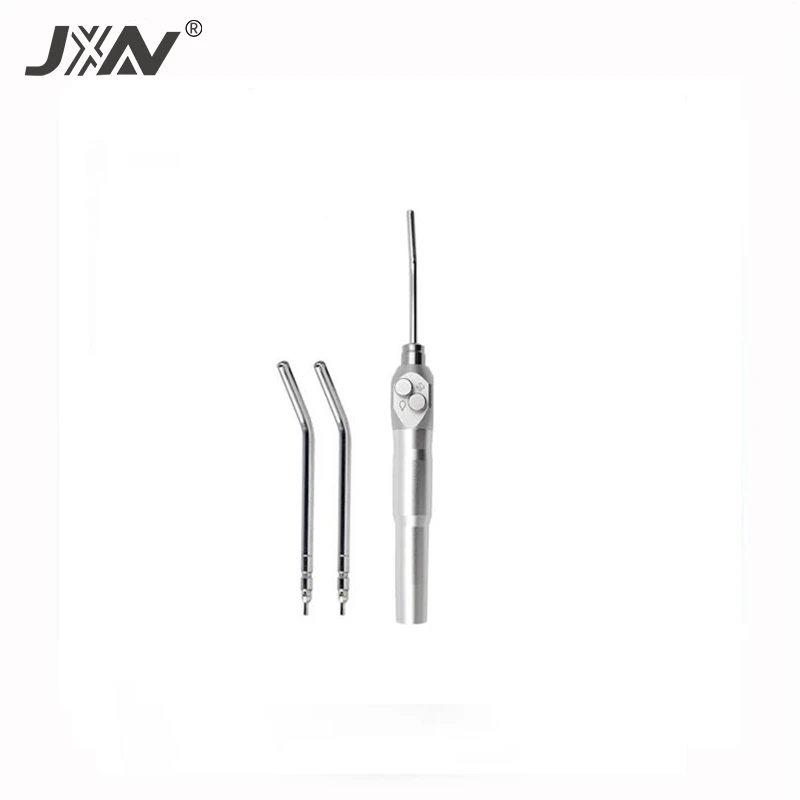
The problems caused by a loose connector can have a significant impact on dental procedures. In a routine check - up, a dentist may rely on the air - water syringe, like the Dental Air Water Triple Syringe, to clean the teeth and examine the oral cavity. If the connect tube has a loose connector, the inconsistent flow of air and water can make it difficult to perform a thorough examination.
During more complex procedures such as root canals or dental implant placements, the precision and reliability of the handpiece are crucial. A loose connector can compromise the accuracy of these procedures, leading to longer treatment times, increased patient discomfort, and potentially less successful outcomes.
Moreover, if the handpiece is not functioning properly due to a loose connector, the dentist may need to stop the procedure to address the issue. This not only disrupts the workflow in the dental office but also causes inconvenience to the patient.
Detecting a Loose Connector
Detecting a loose connector is relatively straightforward. Dentists and dental assistants should regularly inspect the connect tubes for any signs of leakage, such as moisture around the connectors or a decrease in the performance of the handpiece. They can also visually check if the connectors are properly seated and tightened.
In addition, some modern dental units are equipped with sensors that can detect changes in air and water pressure. A sudden drop in pressure may indicate a leak caused by a loose connector.

Preventing and Addressing Loose Connectors
1. Regular Maintenance
Regular maintenance is key to preventing loose connectors. Dental practices should have a scheduled maintenance program in place to inspect and tighten the connectors on the handpiece connect tubes. This can help identify and address potential issues before they become major problems.
2. Proper Installation
During the installation of new connect tubes, it's essential to ensure that the connectors are properly tightened. Dental staff should follow the manufacturer's instructions carefully to achieve a secure connection. Using the right tools, such as wrenches or pliers, can also help ensure that the connectors are tightened to the appropriate torque.
3. Quality Components
As a Dental Handpiece Connect Tube supplier, I emphasize the importance of using high - quality components. Inferior connectors are more likely to become loose over time. By investing in high - quality tubes and connectors, dental practices can reduce the risk of problems associated with loose connections.
4. Training
Dental staff should receive proper training on the maintenance and use of dental equipment. They should be educated on how to detect and address loose connectors, as well as the potential consequences of ignoring these issues.
Related Dental Accessories and Their Role
In addition to the dental handpiece connect tube, other dental accessories play important roles in the overall functionality of the dental unit. For example, Dental Handpiece Burs are used for cutting and shaping teeth. A loose connector in the handpiece connect tube can affect the performance of these burs, reducing their effectiveness.
The Low Speed Handpiece Cartridge Rotor is another crucial component. A stable and reliable connection through the handpiece connect tube is necessary for the proper functioning of the rotor, ensuring smooth and efficient operation during dental procedures.
Conclusion
In conclusion, a loose connector can indeed cause a range of problems with a dental handpiece connect tube. From air and water leakage to contamination and premature wear, these issues can have a significant impact on the performance of dental equipment and the quality of dental procedures.
As a Dental Handpiece Connect Tube supplier, I'm committed to providing high - quality products and offering support to dental practices. By understanding the potential problems associated with loose connectors and taking proactive measures to prevent and address them, dental practices can ensure the smooth operation of their equipment and the safety and satisfaction of their patients.
If you're interested in learning more about our Dental Handpiece Connect Tubes or have any questions regarding dental equipment maintenance, please don't hesitate to contact us for a procurement discussion. We're here to help you find the best solutions for your dental practice.
References
- Dental Equipment Maintenance Manuals
- Scientific Studies on Dental Instrument Contamination
- Industry Reports on Dental Handpiece Performance