

In the dynamic realm of dental science, the quest for innovative tools and technologies is unending. One such device that has gained significant attention is the Dental LED Oral Filling Light Unit. As a supplier of this advanced equipment, I am often asked about its potential applications beyond the standard clinical setting, particularly in dental research. This blog post aims to explore the viability of using a Dental LED Oral Filling Light Unit in dental research, shedding light on its features, benefits, and possible research avenues.
Understanding the Dental LED Oral Filling Light Unit
Before delving into its research applications, it is essential to understand what a Dental LED Oral Filling Light Unit is. This device is primarily designed for curing dental composites during restorative procedures. It emits a specific wavelength of light, typically in the blue spectrum, which activates the photoinitiators in the composite resin, causing it to harden quickly. The Dental LED Oral Filling Light Unit offers several advantages over traditional curing lights, such as halogen lamps. LED lights are more energy - efficient, produce less heat, and have a longer lifespan. They also provide a more consistent light output, ensuring reliable and uniform curing of dental composites.
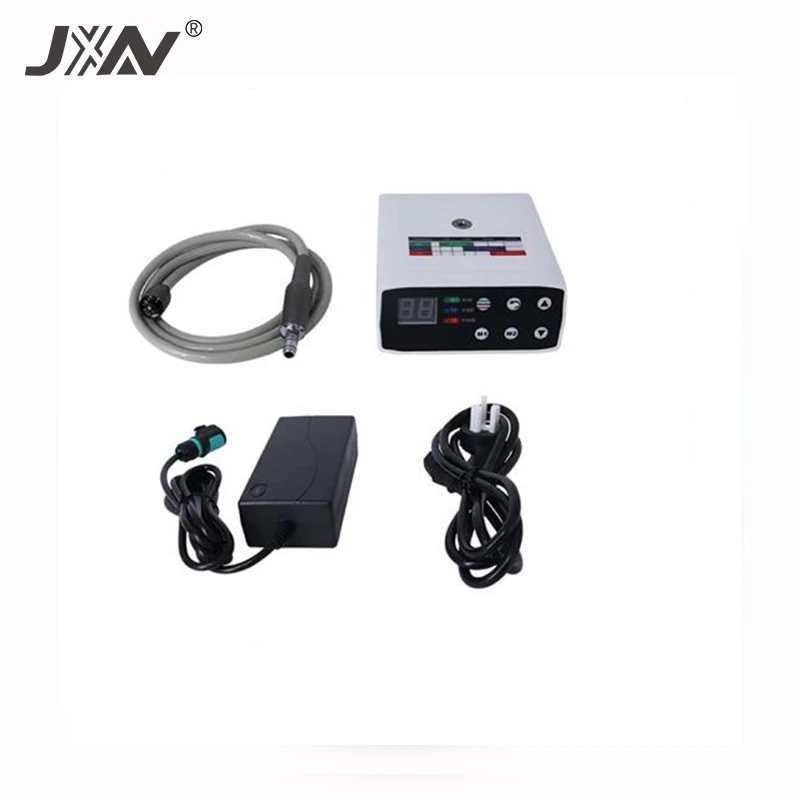

Key Features for Research
The unique features of the Dental LED Oral Filling Light Unit make it a valuable asset in dental research. Firstly, its precise control over light intensity and wavelength allows researchers to simulate different clinical conditions accurately. This is crucial when studying the polymerization kinetics of dental composites. By adjusting the light intensity, researchers can investigate how different levels of light exposure affect the degree of conversion, mechanical properties, and biocompatibility of the composite materials.
Secondly, the portability of many Dental LED Oral Filling Light Units enables in - situ studies. For example, in animal models or clinical trials, researchers can easily transport the device to different locations and use it to cure composites in real - time. This provides a more realistic representation of the clinical environment compared to laboratory - based studies that may not fully account for the complexities of the oral cavity.
Research Areas
Composite Material Development
One of the most significant applications of the Dental LED Oral Filling Light Unit in dental research is in the development of new dental composite materials. Researchers can use the device to evaluate the performance of experimental composites under various curing conditions. They can study how different formulations respond to different light intensities and exposure times, aiming to optimize the material's properties. For instance, by using the Dental LED Oral Filling Light Unit, researchers can determine the ideal curing parameters for a new composite to achieve maximum strength, minimal shrinkage, and excellent esthetics.
Evaluation of Curing Techniques
The Dental LED Oral Filling Light Unit also plays a crucial role in evaluating different curing techniques. There are various methods of curing dental composites, such as continuous light curing, soft - start curing, and pulse - delay curing. The device allows researchers to compare these techniques by precisely controlling the light delivery. They can measure the physical and mechanical properties of the cured composites and determine which technique is most effective in reducing polymerization stress, improving marginal adaptation, and enhancing the longevity of the restoration.
Biocompatibility Studies
Another area where the Dental LED Oral Filling Light Unit can be used is in biocompatibility studies. The light emitted during the curing process can have an impact on the surrounding oral tissues. Researchers can use the device to investigate the potential cytotoxic effects of the light on oral cells, such as fibroblasts and epithelial cells. By exposing these cells to different light intensities and wavelengths from the Dental LED Oral Filling Light Unit, they can assess the cellular response, including cell viability, proliferation, and gene expression. This information is essential for ensuring the safety of dental composites and the overall success of restorative treatments.
Comparison with Other Curing Technologies
In dental research, it is often necessary to compare different curing technologies to determine their relative advantages and disadvantages. The Dental LED Oral Filling Light Unit can be used in side - by - side comparisons with other types of curing lights, such as halogen or plasma - arc lights. Researchers can evaluate factors such as curing efficiency, heat generation, and color stability of the cured composites. This comparison helps in making informed decisions about the most suitable curing technology for different clinical situations and research purposes.
Complementary Tools in Dental Research
In addition to the Dental LED Oral Filling Light Unit, other dental devices can complement its use in research. The Dental Electric Brushless LED Micro Motor is a versatile tool that can be used for preparing tooth cavities before composite placement. It offers precise control and high - speed operation, which is essential for creating accurate and reproducible cavity preparations. The Dental Wireless Electric Wrench Torque is another useful device, especially in studies involving dental implants. It allows for accurate and consistent tightening of implant components, which is crucial for ensuring the long - term stability and success of the implant.
Conclusion
In conclusion, the Dental LED Oral Filling Light Unit has significant potential in dental research. Its precise control over light parameters, portability, and ability to simulate clinical conditions make it a valuable tool for studying various aspects of dental composites, curing techniques, and biocompatibility. When combined with other dental devices such as the Dental Electric Brushless LED Micro Motor and the Dental Wireless Electric Wrench Torque, it can contribute to more comprehensive and in - depth research in the field of dentistry.
If you are involved in dental research or are looking for high - quality dental equipment for your clinical practice, we invite you to contact us for a detailed discussion. Our team of experts can provide you with more information about our Dental LED Oral Filling Light Unit and other products, and we are eager to assist you in finding the best solutions for your needs. Whether you have questions about product features, pricing, or customization options, we are here to help. Start your journey towards better dental research and practice today by reaching out to us.
References
- Ferracane JL. Resin composites - a state - of - the - art review. Dental Materials. 2011;27(8):750 - 762.
- Watts DC, Cash AJ. Dental polymer chemistry. Quintessence Publishing; 2005.
- Van Meerbeek B, Perdigão J, Lambrechts P, Vanherle G. Polymerization shrinkage and adhesion to tooth tissue. Operative Dentistry. 1993;18(3):134 - 147.