

Can a dental implant screw driver be used in implant - supported single - tooth restorations?
In the field of modern dentistry, implant - supported single - tooth restorations have become a preferred treatment option for patients with missing teeth due to their excellent esthetics, function, and long - term stability. A crucial component in the process of these restorations is the dental implant screw driver. As a dental implant screw driver supplier, I am well - positioned to explore the question of whether a dental implant screw driver can be used in implant - supported single - tooth restorations.
Understanding Implant - Supported Single - Tooth Restorations
Implant - supported single - tooth restorations involve the placement of a dental implant into the jawbone, which acts as an artificial tooth root. After the implant has osseointegrated (fused with the bone), a crown is attached to the implant to replace the missing tooth. This process requires high precision and proper tools to ensure the success of the restoration. The key steps include implant placement, abutment connection, and crown placement, all of which may involve the use of a dental implant screw driver.
The Role of Dental Implant Screw Drivers
A dental implant screw driver is designed to precisely tighten and loosen the screws that are used to connect various components of the implant restoration system. For example, it is used to secure the abutment to the implant and to fasten the crown to the abutment. The correct torque application is essential as over - tightening can lead to screw fracture, bone damage, and implant failure, while under - tightening can result in screw loosening and mobility of the restoration.
In implant - supported single - tooth restorations, a dental implant screw driver plays a vital role. When connecting the abutment to the implant, the screw driver ensures that the abutment is firmly attached at the appropriate torque level. This is crucial for the long - term stability of the restoration, as a loose abutment can cause micro - movements, which may lead to bone resorption around the implant.
Similarly, when placing the crown, the screw driver is used to secure the crown to the abutment. The proper seating and tightening of the crown are necessary for the restoration to function correctly and to maintain good esthetics. A well - tightened crown also prevents food impaction and the accumulation of bacteria around the implant, reducing the risk of peri - implant diseases.
Compatibility and Precision
One of the main concerns when using a dental implant screw driver in single - tooth restorations is its compatibility with different implant systems. There are numerous implant systems available on the market, each with its own specific screw design and torque requirements. As a supplier, we understand the importance of providing screw drivers that are compatible with a wide range of implant systems. Our dental implant screw drivers are designed to meet the diverse needs of dental professionals, ensuring that they can be used effectively in various implant - supported single - tooth restorations.
Precision is another critical factor. The dental implant screw driver must be able to deliver the exact amount of torque required for each specific implant component. Our Dental Implant Torque Wrench is equipped with advanced torque control technology, allowing dental professionals to apply the precise torque recommended by the implant manufacturer. This not only helps to ensure the success of the restoration but also reduces the risk of complications.
Ergonomics and User - friendliness
In single - tooth restorations, the dental professional needs to work in a relatively small and confined space. Therefore, the ergonomics of the dental implant screw driver are of utmost importance. Our screw drivers are designed with comfortable grips and lightweight materials, reducing fatigue during long procedures. This enables the dentist to maintain better control and precision, especially when performing delicate operations such as screw tightening.
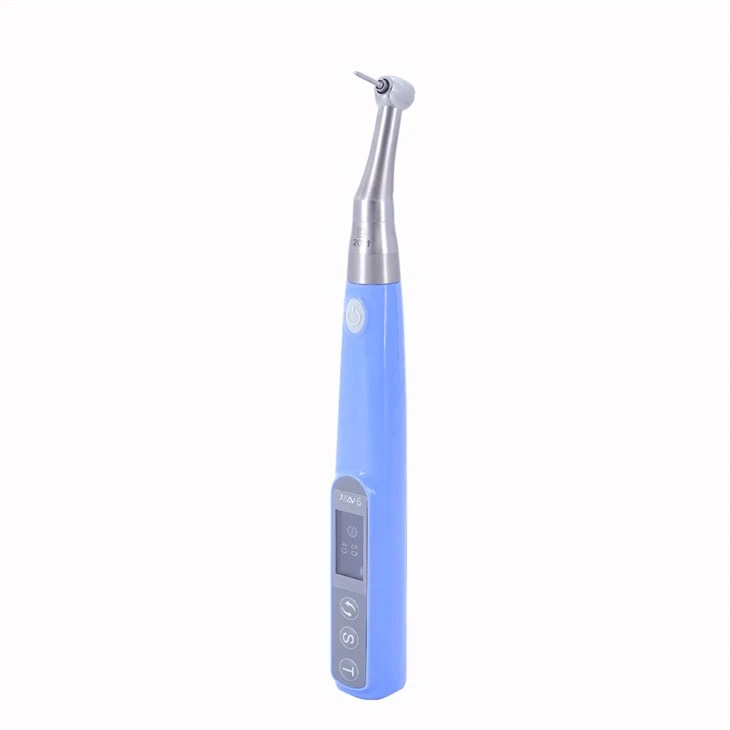
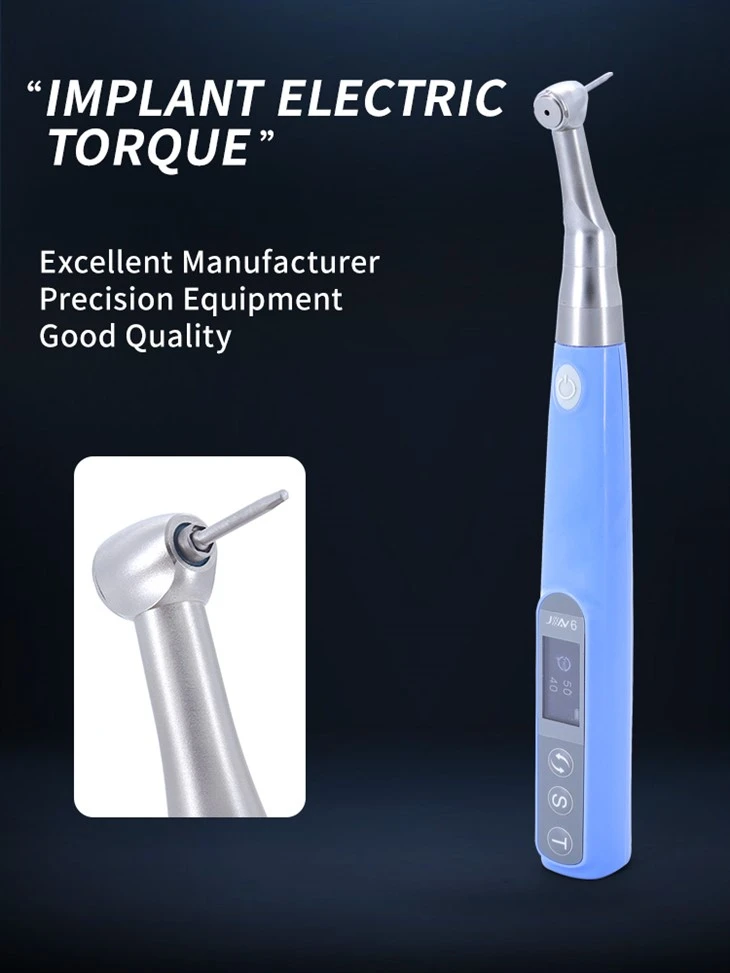
Moreover, the ease of use is a significant advantage. Our Dental Wireless Implant Electric Wrench Torque is a user - friendly option that simplifies the process of torque application. It features a wireless design, eliminating the hassle of cords, and provides clear visual and auditory feedback on the torque level. This makes it suitable for both experienced and novice dental professionals in implant - supported single - tooth restorations.
Storage and Organization
Proper storage and organization of dental implant tools are essential for maintaining their functionality and longevity. Our Dental Implant Screwdriver Universal Box is designed to provide a convenient and safe storage solution for dental implant screw drivers. It is made of high - quality materials and has a well - organized interior, allowing for easy access and identification of the screw drivers. This is particularly important in a busy dental practice where efficiency is key.
Conclusion
In conclusion, a dental implant screw driver can and should be used in implant - supported single - tooth restorations. It is an essential tool that plays a crucial role in ensuring the success, stability, and long - term functionality of the restoration. As a dental implant screw driver supplier, we are committed to providing high - quality, compatible, and user - friendly products to meet the needs of dental professionals.
If you are a dental professional or a distributor interested in our dental implant screw drivers and related products, we welcome you to contact us for further information and to discuss potential procurement opportunities. We are ready to provide you with detailed product specifications, pricing, and any other assistance you may need.
References
- Misch CE. Contemporary Implant Dentistry. 3rd ed. Mosby; 2008.
- Zarb GA, Albrektsson T. Textbook of Oral Implantology. 2nd ed. Quintessence Publishing; 1991.
- Tarnow DP, et al. The effect of the distance from the contact point to the crest of bone on the presence or absence of the interproximal dental papilla. J Periodontol. 1992;63(11):995 - 996.