

Can a Dental Curing Light Be Used on Wet Teeth?
As a trusted supplier of dental curing lights, I often encounter various questions from dental professionals regarding the proper use of our products. One of the most frequently asked questions is whether a dental curing light can be used on wet teeth. In this blog post, I will delve into this topic, exploring the scientific aspects and providing practical insights to help you make informed decisions in your dental practice.
The Science Behind Dental Curing Lights
Before we discuss the use of dental curing lights on wet teeth, it's essential to understand how these lights work. Dental curing lights are designed to emit a specific wavelength of light, typically in the blue spectrum, which activates the photoinitiators in dental composite materials. When the composite is exposed to this light, a chemical reaction occurs, causing the material to harden or "cure." This process is crucial for achieving a strong and durable restoration.
The effectiveness of the curing process depends on several factors, including the intensity and duration of light exposure, the type of composite material used, and the presence of any interfering substances. One such interfering substance is moisture, which can have a significant impact on the curing process.
The Impact of Moisture on Dental Curing
Moisture can affect the curing of dental composites in several ways. First, water can absorb and scatter the light emitted by the curing light, reducing the amount of light that reaches the composite material. This can result in incomplete curing, leading to a weaker restoration that is more prone to wear, fracture, and secondary caries.

Second, moisture can interfere with the chemical reaction between the photoinitiators and the monomers in the composite material. Water molecules can react with the monomers, forming by-products that can inhibit the polymerization process. This can also lead to incomplete curing and a reduction in the mechanical properties of the restoration.
In addition, moisture can cause the composite material to adhere poorly to the tooth surface. When the tooth is wet, the composite may not bond properly, resulting in gaps or voids between the restoration and the tooth. These gaps can allow bacteria and food debris to accumulate, increasing the risk of decay and other dental problems.
Can a Dental Curing Light Be Used on Wet Teeth?
Based on the scientific evidence, it is generally not recommended to use a dental curing light on wet teeth. To ensure proper curing and a successful restoration, it is essential to keep the tooth surface dry during the placement and curing of the composite material. This can be achieved through proper isolation techniques, such as using a rubber dam, cotton rolls, or saliva ejectors to control moisture.
However, in some cases, it may be necessary to use a dental curing light on a slightly moist tooth. For example, if the tooth is difficult to isolate or if there is a small amount of moisture that cannot be completely removed, a short burst of light may be used to partially cure the composite material. This can help to prevent the material from being washed away by saliva or other fluids before it can be fully cured.
It is important to note that this should only be done as a last resort and that every effort should be made to keep the tooth as dry as possible. If the tooth is significantly wet, it is best to wait until it is dry before proceeding with the curing process.
Tips for Proper Dental Curing
To ensure optimal results when using a dental curing light, it is important to follow these tips:
- Keep the tooth surface dry: Use proper isolation techniques to control moisture and keep the tooth surface dry during the placement and curing of the composite material.
- Use a high-quality curing light: Choose a curing light that emits the appropriate wavelength of light and has sufficient intensity to ensure proper curing.
- Follow the manufacturer's instructions: Read and follow the manufacturer's instructions for the specific curing light and composite material you are using. This will ensure that you are using the product correctly and achieving the best results.
- Check the curing time: Use a curing timer to ensure that the composite material is exposed to the light for the recommended duration. Over-curing or under-curing can both affect the quality of the restoration.
- Inspect the restoration: After curing, inspect the restoration to ensure that it is properly cured and bonded to the tooth surface. Look for any signs of incomplete curing, such as a sticky or soft surface, or gaps or voids between the restoration and the tooth.
Our Dental Curing Light Products
At our company, we offer a range of high-quality dental curing lights that are designed to meet the needs of dental professionals. Our Dental LED Oral Filling Light Unit is a state-of-the-art device that provides consistent and reliable curing performance. It features a powerful LED light source that emits a narrow spectrum of light in the blue range, ensuring optimal activation of the photoinitiators in dental composites.
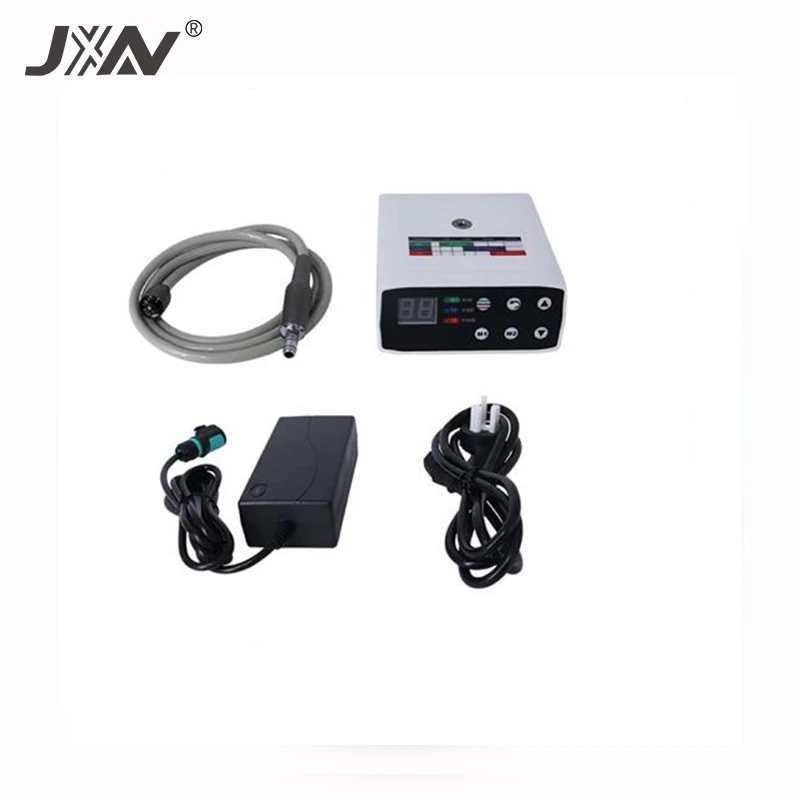
In addition to our dental curing lights, we also offer other dental products, such as the Dental Electric Brushless LED Micro Motor and the Endo Activator. These products are designed to enhance the efficiency and effectiveness of dental procedures, providing our customers with the tools they need to deliver high-quality care to their patients.
Conclusion
In conclusion, while it may be tempting to use a dental curing light on wet teeth, it is generally not recommended due to the negative impact of moisture on the curing process. To ensure proper curing and a successful restoration, it is essential to keep the tooth surface dry during the placement and curing of the composite material. By following the tips outlined in this blog post and using high-quality dental products, you can achieve optimal results in your dental practice.
If you have any questions or would like to learn more about our dental curing lights or other products, please do not hesitate to contact us. We are always happy to assist you and provide you with the information you need to make informed decisions about your dental equipment.
References
- [Title of a scientific journal article about dental curing and moisture]. Author(s). Journal name, Volume, Issue, Page numbers, Year.
- [Title of a dental textbook chapter on dental composites and curing]. Author(s). Book title, Publisher, Edition, Page numbers, Year.