

When it comes to using an Internal Air Motor, safety is of paramount importance. As a supplier of Internal Air Motors, I understand the significance of providing clear guidance on safety precautions to ensure the well - being of users and the proper functioning of the equipment.
General Safety Precautions
1. Read the Manual Thoroughly
Before using an Internal Air Motor, it is essential to read the user manual carefully. The manual contains detailed information about the motor's specifications, installation procedures, operating instructions, and maintenance requirements. Ignoring the manual can lead to improper use, which may result in equipment damage or personal injury. For example, some Internal Air Motors have specific pressure and flow requirements. If these are not adhered to, the motor may not operate efficiently or could even overheat.
2. Inspect the Equipment Regularly
Regular inspections are crucial for identifying any potential issues with the Internal Air Motor. Check for signs of wear and tear, such as loose connections, damaged hoses, or worn - out components. A damaged hose, for instance, can lead to air leaks, which not only reduce the motor's performance but also pose a safety risk. If any problems are detected during the inspection, the motor should be taken out of service immediately and repaired or replaced.

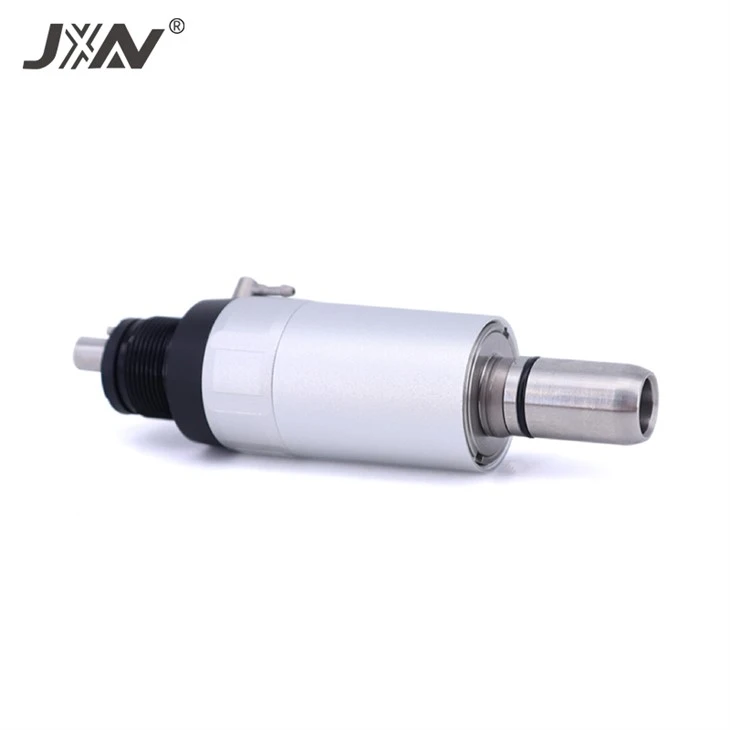
3. Use the Motor in the Right Environment
Internal Air Motors are designed to operate within specific environmental conditions. They should be used in clean, dry, and well - ventilated areas. Exposure to excessive dust, moisture, or corrosive substances can damage the motor and affect its performance. For example, in a dusty workshop, the dust can enter the motor's internal components, causing abrasion and reducing its lifespan.
Operational Safety Precautions
1. Proper Installation
Correct installation of the Internal Air Motor is the first step towards safe operation. Ensure that the motor is securely mounted and all connections are tight. Improper installation can cause the motor to vibrate excessively, which may lead to component failure or detachment. Follow the manufacturer's installation instructions precisely, and if necessary, seek the assistance of a professional technician.
2. Air Supply Management
The quality and pressure of the air supply are critical for the proper functioning of an Internal Air Motor. Use a clean and dry air source. Contaminated air can contain moisture, oil, or debris, which can damage the motor's internal parts. Install appropriate air filters and regulators to ensure that the air supply meets the motor's requirements. The air pressure should be set within the specified range. Too high a pressure can cause the motor to run too fast, leading to overheating and potential damage, while too low a pressure may result in insufficient power.
3. Avoid Overloading
Internal Air Motors have a rated power and load capacity. Do not exceed these limits. Overloading the motor can cause it to overheat, reduce its efficiency, and shorten its lifespan. If you need to perform tasks that require more power, consider using a more powerful motor or multiple motors in combination. For example, if a motor is rated for a certain torque, do not try to use it for applications that demand higher torque.
4. Use Appropriate Tools and Accessories
When using an Internal Air Motor, always use the tools and accessories that are recommended by the manufacturer. Using incompatible tools can not only affect the motor's performance but also pose a safety hazard. For example, using a tool with the wrong size or shape can cause the motor to vibrate unevenly, increasing the risk of accidents.
Personal Safety Precautions
1. Wear Protective Gear
When operating an Internal Air Motor, it is important to wear appropriate protective gear. This includes safety glasses to protect your eyes from flying debris, gloves to protect your hands from sharp edges or hot surfaces, and ear protection if the motor produces a high level of noise. Some Internal Air Motors can generate significant noise levels, which can cause hearing damage over time.
2. Keep a Safe Distance
Maintain a safe distance from the moving parts of the motor. The rotating components can cause serious injuries if you come into contact with them. Do not reach into the motor while it is running, and make sure that any loose clothing or jewelry is secured to prevent it from getting caught in the motor.
3. Shut Down Properly
When you are finished using the Internal Air Motor, shut it down properly. Turn off the air supply first, and then allow the motor to come to a complete stop before performing any maintenance or cleaning. This helps to prevent accidental starts and reduces the risk of injury.
Comparison with External Air Motors
It is also worth comparing Internal Air Motors with external air motors such as the FX Type External Air Motor, External Straight Handpiece, and External Air Motor. External air motors are generally easier to access for maintenance, as their components are more exposed. However, they may be more vulnerable to environmental factors such as dust and moisture. Internal Air Motors, on the other hand, are more protected from external elements but can be more difficult to repair due to their internal design.
Maintenance for Safety
Regular maintenance is an essential part of ensuring the safety and longevity of an Internal Air Motor. This includes lubrication of moving parts, cleaning of air passages, and replacement of worn - out components. Follow the manufacturer's maintenance schedule to keep the motor in optimal condition. For example, lubricating the bearings at the recommended intervals can reduce friction and prevent overheating.
Conclusion
In conclusion, using an Internal Air Motor safely requires a combination of proper installation, regular inspection, correct operation, and appropriate personal protection. By following these safety precautions, users can minimize the risk of accidents and ensure the efficient and reliable performance of the motor. As a supplier of Internal Air Motors, I am committed to providing high - quality products and comprehensive safety information to our customers.
If you are interested in purchasing Internal Air Motors or have any questions about their safety and operation, please feel free to contact us for further discussion and negotiation. We look forward to working with you to meet your needs.
References
- Manufacturer's user manuals for Internal Air Motors
- Industry standards and guidelines for air motor safety
- Technical literature on the operation and maintenance of air motors