

Hey there! I'm a supplier of dental ratio handpieces, and today I wanna chat about whether there are any import/export regulations for these nifty tools.
First off, let's quickly go over what dental ratio handpieces are. They're essential in the dental industry, used by dentists for various procedures like drilling, polishing, and more. We've got different types, such as the 1:1 Contra Angle Handpiece, the 20:1 Reducing Contra Angle Handpiece, and the 1:5 Increasing Fiber Optic LED Contra Angle Handpiece. Each type has its own unique features and uses, catering to different dental needs.
Now, onto the big question: import/export regulations. Well, the answer is a definite yes. Every country has its own set of rules and regulations when it comes to importing and exporting medical and dental equipment, and dental ratio handpieces are no exception.
One of the key aspects of these regulations is product safety and quality. Most countries require that imported dental handpieces meet certain safety standards. For example, they need to be free from any defects that could pose a risk to patients or dental professionals. This might involve testing for things like proper sterilization capabilities, mechanical durability, and electrical safety (if applicable). Manufacturers often have to provide detailed documentation about the product's design, materials used, and manufacturing processes to prove compliance.
Another important factor is labeling and documentation. Dental handpieces usually need to be labeled with specific information, such as the manufacturer's name and address, the model number, the ratio (like 1:1 or 20:1), and any safety warnings. In addition, exporters typically have to provide a bill of lading, a commercial invoice, and a certificate of origin. The certificate of origin is especially crucial as it shows where the product was made, which can affect things like tariff rates.
Tariffs and duties are also a major part of import/export regulations. Different countries have different tariff schedules for dental equipment. Some countries might have lower tariffs for dental handpieces to encourage imports, while others could impose higher tariffs to protect their domestic dental manufacturing industries. These tariffs can significantly impact the cost of the product for the importer. For example, if a country has a high tariff on dental handpieces, the importer will have to pay more to bring the product into the country, which could then be passed on to the end - user in the form of higher prices.
Regulatory bodies play a big role in all of this. In the United States, the Food and Drug Administration (FDA) regulates the import and sale of dental devices, including handpieces. They have strict requirements for pre - market approval or clearance, depending on the classification of the device. In the European Union, the CE marking is required for medical devices, including dental handpieces. This marking indicates that the product meets the essential health and safety requirements of the EU.
When it comes to exporting dental ratio handpieces, it's super important to do your homework. You need to research the regulations of the target country well in advance. This might involve contacting the local customs authorities or hiring a customs broker who knows the ins and outs of the regulations. They can help you navigate through the paperwork, ensure that your products meet the necessary standards, and avoid any delays or penalties at the border.
For us as a supplier, these regulations also mean that we have to be extra careful in our manufacturing and quality control processes. We need to make sure that our handpieces are not only high - quality but also compliant with the regulations of different countries. This might involve investing in more advanced testing equipment and quality management systems.
Let's talk about some of the challenges that come with these regulations. One of the biggest challenges is keeping up with the ever - changing rules. Regulations can change frequently, especially as new safety concerns or technological advancements emerge. For example, if a new type of bacteria is discovered that can be transmitted through dental handpieces, countries might update their sterilization requirements. As a supplier, we have to stay on top of these changes and make the necessary adjustments to our products and processes.
Another challenge is the cost of compliance. Meeting the various safety standards, getting the required certifications, and dealing with the paperwork can be quite expensive. These costs can eat into our profit margins, but at the same time, we know that it's essential to ensure that our products are safe and legal to sell in different markets.
Despite these challenges, there are also some benefits to these regulations. For one, they help to ensure a level playing field in the market. All suppliers, whether domestic or international, have to meet the same standards, which means that consumers can have more confidence in the quality of the products they're buying. It also helps to protect public health by ensuring that only safe and effective dental handpieces are available in the market.
So, if you're thinking about importing dental ratio handpieces, here are some tips. First, find a reliable supplier who is well - versed in international regulations. A good supplier will be able to provide you with all the necessary documentation and support to ensure a smooth import process. Second, make sure you understand the regulations in your own country. Don't just rely on the supplier; do your own research and consult with local experts if needed. Third, plan ahead. Importing can take time, especially if there are any issues with compliance or documentation. Give yourself plenty of time to get everything in order.
If you're an exporter, on the other hand, focus on building strong relationships with your customers and understanding their local regulations. Provide them with all the information they need upfront, and be prepared to work with them to address any compliance issues that might arise.
In conclusion, while import/export regulations for dental ratio handpieces can be complex and challenging, they're an important part of ensuring the safety and quality of these products in the global market. As a supplier, we're committed to meeting these regulations and providing our customers with high - quality, compliant dental handpieces.
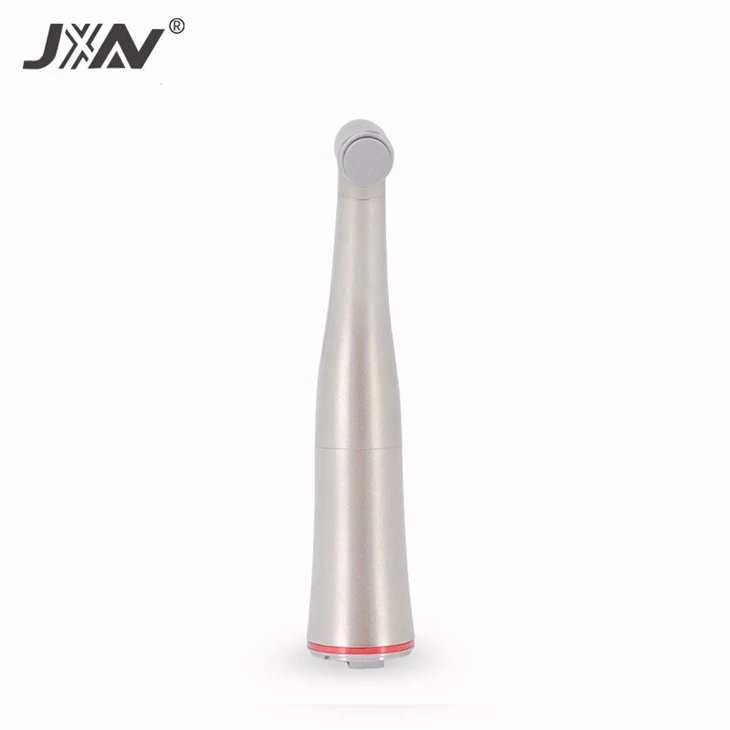

If you're interested in purchasing dental ratio handpieces or have any questions about our products and the import/export process, feel free to reach out. We're here to help you find the right handpieces for your dental practice and navigate through the regulatory maze.
References
- World Health Organization. Guidelines for infection control in health - care facilities.
- U.S. Food and Drug Administration. Regulations for medical devices.
- European Union. Medical device regulations and CE marking requirements.